
Standby or Prime, Why Generator Ratings Matter More Than Most Buyers Realise
Ask around a job site what rating a generator should have, and the conversation usually jumps straight to kilowatts. Output capacity matters, but it is only half the picture. The other half, standby versus prime, tells you how that generator is actually meant to be used, and getting it wrong creates problems that a bigger unit cannot fix. This piece breaks down what each rating actually means, why the distinction exists, and how to think through which one a given situation actually calls for.
Choose your narrator
In short
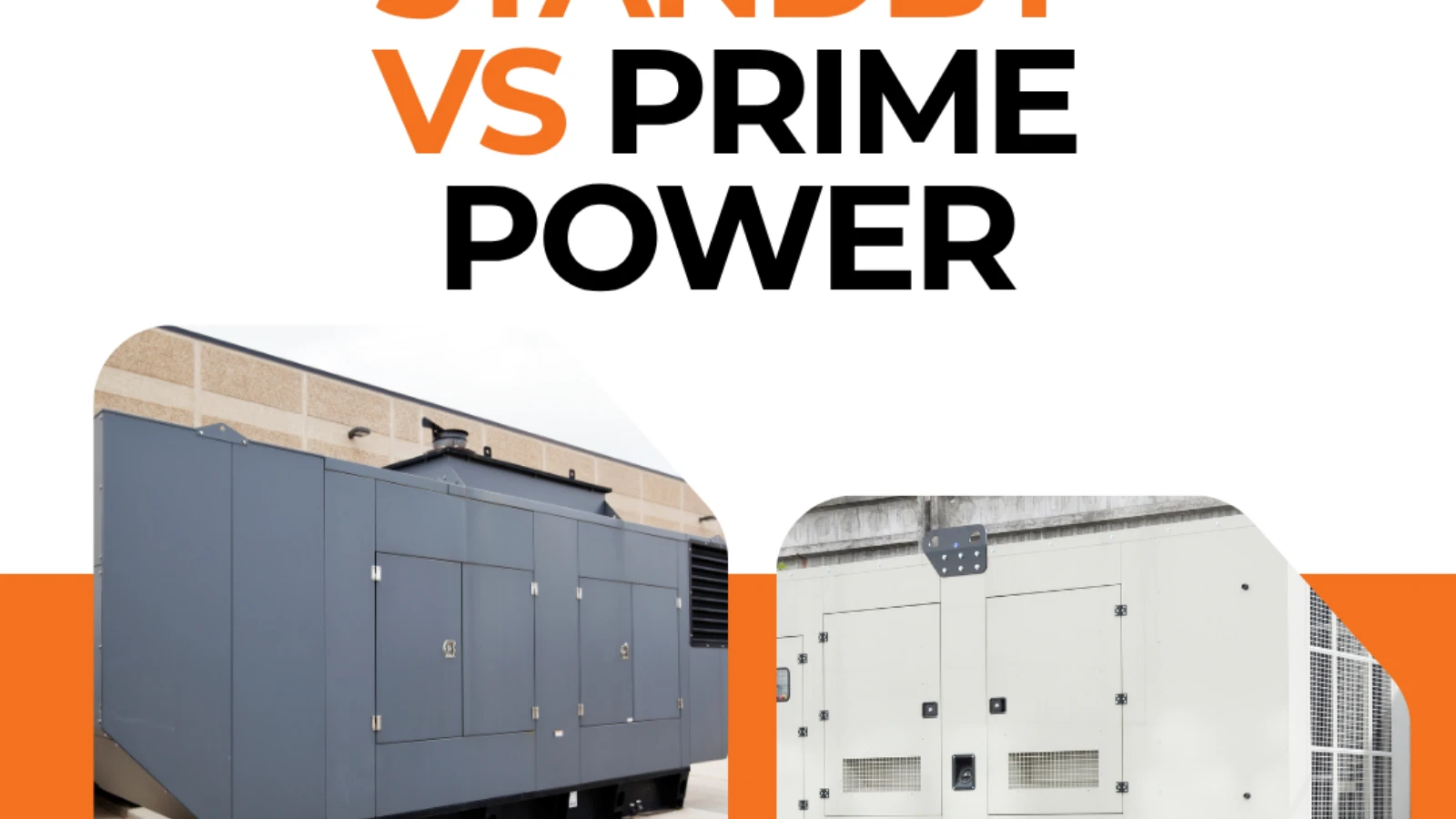
Choose a standby rated generator for occasional backup during outages, and a prime rated one when it will be your main or only power source. The wrong rating either wears the unit out early or wastes money on engineering you do not need.
- Desk:
- tech
- Format:
- article
- Author:
- Eniola Unfiltered
WHAT STANDBY RATED ACTUALLY MEANS
A standby rated generator is built for short term backup during an outage. It is designed to step in when utility power fails, run for a limited period, and step back once normal supply is restored. These units are engineered around the assumption that they will not be running continuously, and the components inside them, from the engine to the cooling system, are specified with that intermittent duty cycle in mind. Pushing one to operate as a primary, everyday power source shortens its working life considerably, because it is being asked to do a job it was never engineered for.
WHAT PRIME RATED ACTUALLY MEANS
A prime rated generator is a different proposition entirely. These units are built to run as the main power source for extended periods, sometimes indefinitely, in locations without a reliable grid connection at all. The engineering behind a prime rated unit accounts for continuous operation from the ground up, from more robust cooling systems through to maintenance intervals that assume regular, sustained running hours rather than occasional use. A prime rated generator typically carries a lower continuous output rating than its standby figure for the same physical unit, precisely because it is built to sustain that output indefinitely rather than for short bursts.
WHERE THE MISTAKE ACTUALLY HAPPENS
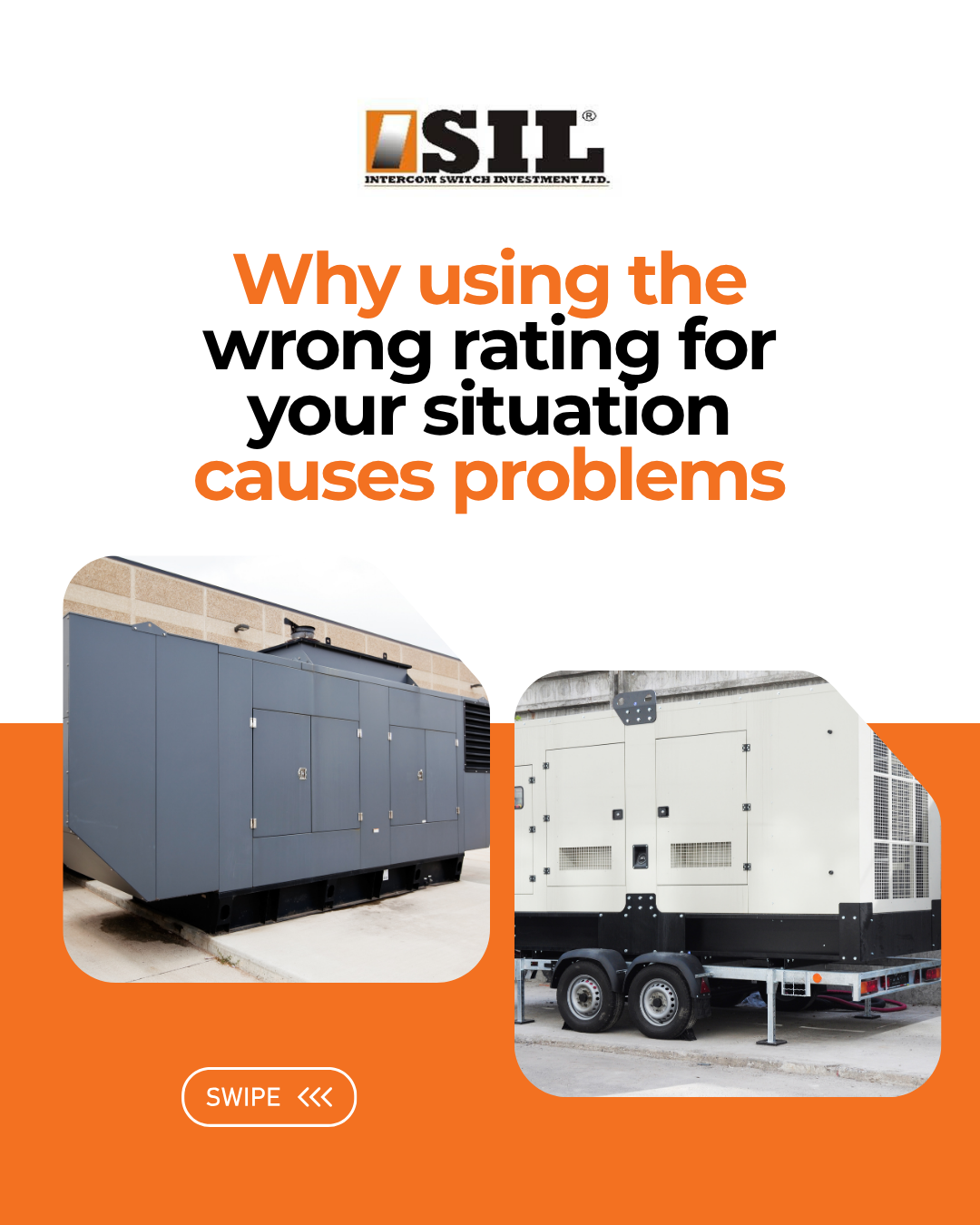
The mistake that causes real problems is using a standby unit in a prime application, or the reverse. A standby generator running continuously as a primary source will fail faster and more often than expected, frustrating an operator who assumed a bigger spec sheet number meant a more capable machine overall. The failures that follow are rarely sudden or dramatic, they tend to show up as increased maintenance needs, shortened component life, and a steadily rising cost of ownership that was never accounted for at the point of purchase. Equally, specifying an oversized prime unit for what is actually occasional backup use wastes money that could have gone toward other parts of a project, since the extra engineering built into a prime rated unit is simply unnecessary for intermittent duty.
HOW TO ACTUALLY DECIDE
The right rating comes down to one honest question, how is this generator actually going to be used day to day, not how it might occasionally be used in an emergency scenario that has little bearing on normal operation. Occasional backup during utility outages calls for a standby unit. Operating as the sole or main power source, whether because there is no reliable grid connection or because continuous operation is simply part of the business, calls for a prime rated one. Getting this decision right at the specification stage avoids a far more expensive correction later, whether that correction takes the form of early equipment failure or an unnecessarily large upfront investment.
THE TAKEAWAY
Generator ratings are not marketing language, they are an engineering specification that should match how the equipment will actually be used, and that match matters just as much as the raw output figure most buyers focus on first. Not sure which rating fits your situation. Ask ISIL Consultancy which rating fits your needs.
Tip: highlight any line in the story to turn that line into a share card.
Frequently asked
- What is “Standby or Prime, Why Generator Ratings Matter More Than Most Buyers Realise” about?
- Ask around a job site what rating a generator should have, and the conversation usually jumps straight to kilowatts. Output capacity matters, but it is only half the picture.
- Who covers tech on PINCHED?
- Eniola Unfiltered reports this piece for the PINCHED tech desk.
- Where can I read “Standby or Prime, Why Generator Ratings Matter More Than Most Buyers Realise”?
- Read it in full at https://staypinched.site/read/standby-or-prime-why-generator-ratings-matter.