
Is It “Un-African” to Celebrate a Tycoon’s Death? The Wicknell Chivayo Debate Splitting Africa
A helicopter crash, a flashy tycoon and a continent divided between grief and anger. Here are the facts and the argument.
Choose your narrator
In short
Zimbabwean businessman Wicknell Chivayo and five others died in a helicopter crash near Marondera on September 30, 2026. Some Africans mourned his generosity while others celebrated, sparking a debate about whether that is un-African.
- Desk:
- culture
- Format:
- article
- Author:
- Praise_writes
When a wealthy, flashy and controversial businessman dies suddenly, what should the public do? Mourn? Stay silent? Or say honestly what they think? That question has taken over timelines across Africa since Zimbabwean tycoon Wicknell Chivayo died in a helicopter crash.
One side says speaking ill of the dead goes against Ubuntu. The other says people do not owe a powerful man their tears. So, who is right? Let’s look at the facts first, then the argument.
What Happened
On Wednesday, September 30, 2026, a private helicopter carrying Chivayo, his wife Lucy Muteke and four others crashed at Kudenga Farm near Marondera, about 70 km from Harare. The aircraft had left Gandami in Chikomba district, and the government said there were no survivors.
Early indications from the Civil Aviation Authority were that the tail struck the ground first and the impact spilled fuel, but the inquiry is ongoing. In addition to the couple, the Herald lists pilots Captain Kelvin Soda and Captain Courage Mutavirwa, and Senelisiwe Magagula among the dead. So, six families are grieving, which matters for what comes next.
The couple was buried near Harare about a week later, with soldiers saluting as the caskets arrived. Harare Province minister Charles Tawengwa called him “a philanthropist par excellence.”
Who Was “Sir Wicknell”?
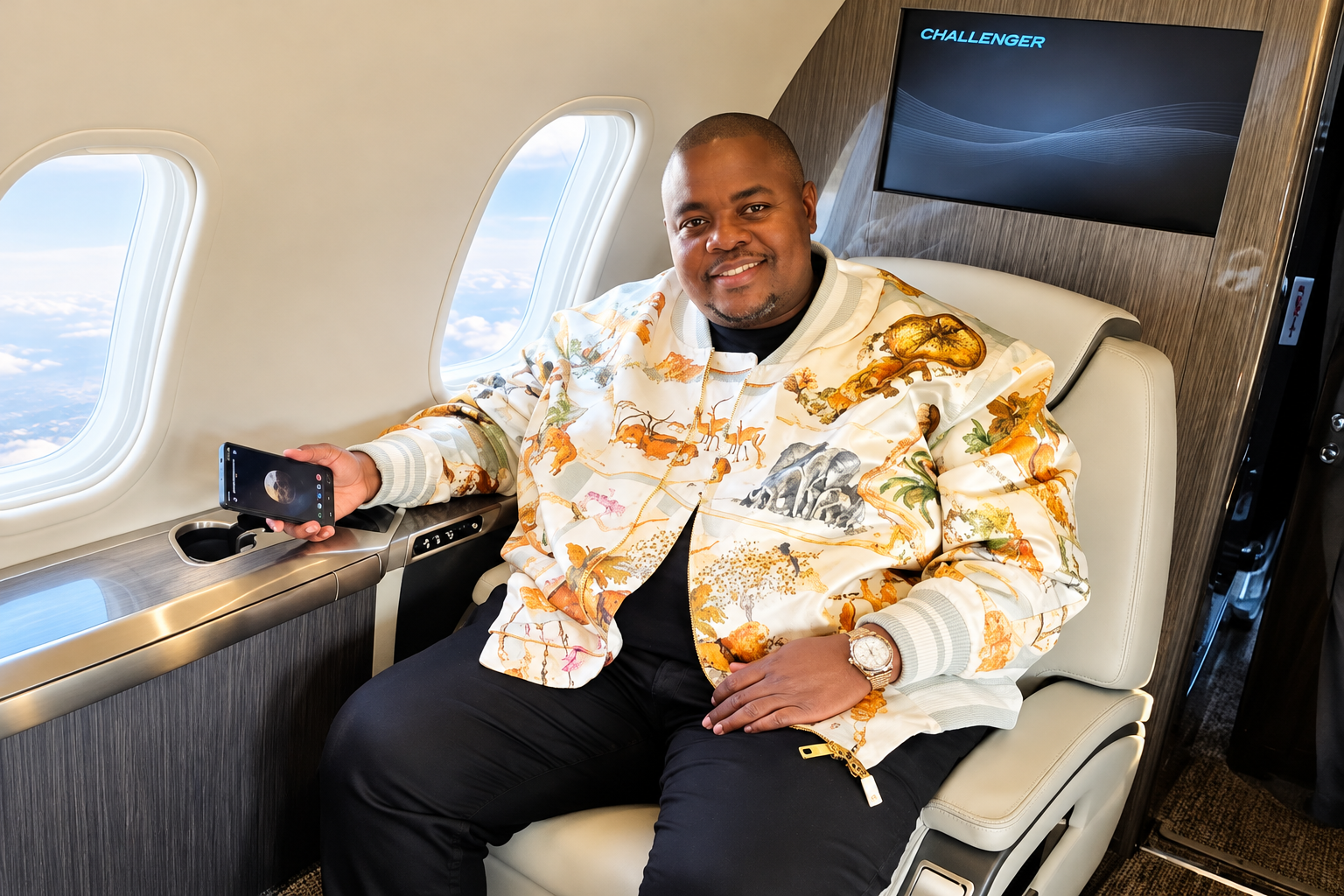
Chivayo called himself “Sir Wicknell” and was known for posting luxury cars, cash and gifts for friends. He founded Intratrek Zimbabwe, an energy company, it was noted that in June he was granted Eswatini citizenship by King Mswati III. A 2025 report in The Standard said he had spent about US$9.3 million on vehicles and gifts for associates.
To his supporters, that generosity was real. A ZBC correspondent told Briefly that musicians, comedians and children reportedly benefited from his charity. The Herald adds that a church group paused its activities to mourn, and musician Jah Prayzah and Rufaro Mukombe postponed their wedding out of respect.
Why Many People Were Not Mourning
On the other side, critics pointed to his business record. His most controversial deal was a US$170 million-plus solar plant in Gwanda that remains unbuilt despite an advance of more than US$5 million, and that a parliamentary inquiry called his firm a “briefcase company.” It also reports a 2005 money-laundering sentence, and notes that Zimbabwe’s anti-corruption commission later found no evidence linking him to fraud.
Moreover, his displays of wealth landed badly in a country with a cost-of-living crisis. The Capital FM piece says he once offered US$10,000 to each of the country’s 360 legislators and then withdrew the offer after backlash. So, for many people, the question was never only about one man. It was about how power and money work.
The “Un-African” Post That Lit the Fuse
The debate caught fire when Chalton Hwende, MP for Kuwadzana East, asked on X why people were celebrating, calling it un-African and at odds with Ubuntu. Most of the replies were unsympathetic.
@Taffy_Mug: “Very un-African to self enrich yourself in a poverty stricken society.”
@TereraiSithole: Hwende was asking for Ubuntu in death from a man who did not show it in life.
@LiamPiti_7: Called looting state funds “satanic.”
However, not everyone agreed. One user wrote, “In life we fight, but in death we don’t rejoice,” and another said it was sad to see people celebrating. Meanwhile, others asked why the funeral was covered live on state television.
A Sharper Argument: “Is It the System?”
South African researcher Malaika Mahlatsi took the debate further in an EWN opinion piece. She wrote, “I do not subscribe to the idea that we must speak no ill of the dead,” and argued that people celebrating are not cruel by nature but are “pushed to the margins” by corrupt leadership and economic hardship.
Her conclusion was blunt: “To me, that is where the true immorality lies.” You may agree or not, but her point explains why the story travelled far beyond Zimbabwe.
The Kenya Connection
Kenya’s President William Ruto called Chivayo “a dear friend whose warmth touched many people.” It was said that the tribute made some Kenyans suspicious of the friendship, and that blogger Cyprian Nyakundi publicly distanced himself from it. That shows how a Zimbabwean story became a continental one.
So, Is It Un-African to Celebrate?
Here is the honest answer: Africans disagree, and the disagreement is real. Ubuntu emphasises shared humanity and dignity, and many people feel strongly that death calls for respect, especially for grieving families. On the other hand, African societies also have long traditions of honest assessment, and people who feel hurt by public figures can feel unable to fake sadness.
There may be a middle path that both sides can accept. You can refuse to praise someone without cheering a tragedy, and you can criticise a record without mocking the people who lost a loved one. The pilots and the other passengers, after all, were not part of the controversy.
What We Still Do Not Know
The cause of the crash: The official inquiry is ongoing
His exact age: Reports say 43, 45 or “in his 40s”
The future of his projects: Including the Gwanda solar plant and the Eswatini plans
Chivayo’s death has turned into a mirror for a bigger question: how should Africans treat powerful people when they are gone? You do not have to cheer or cry. Whatever you decide, remember the families behind the headlines. For more stories like this, visit our culture desk and lifestyle desk.
Quick FAQs
1. How did Wicknell Chivayo die?
He died in a helicopter crash near Marondera, Zimbabwe, on September 30, 2026, together with his wife and four others.
2. Why are people celebrating his death?
Some critics point to his state contracts, the unbuilt Gwanda solar plant and his displays of wealth amid hardship. Others mourn him for his generosity. Both views exist.
3. What did MP Chalton Hwende say?
He asked why people were celebrating and called it un-African and at odds with Ubuntu, which drew many critical replies.
4. Was Chivayo convicted of a crime?
Capital FM reports a 2005 money-laundering sentence, and says Zimbabwe’s anti-corruption commission later found no evidence linking him to fraud. Other reports in this story do not mention a conviction.
- Zimbabwe
- Wicknell Chivayo
- Ubuntu
- Helicopter Crash
- Social Media Debate
- African Politics
Tip: highlight any line in the story to turn that line into a share card.
Frequently asked
- What is “Is It “Un-African” to Celebrate a Tycoon’s Death? The Wicknell Chivayo Debate Splitting Africa” about?
- When a wealthy, flashy and controversial businessman dies suddenly, what should the public do? Mourn?
- Who covers culture on PINCHED?
- Praise_writes reports this piece for the PINCHED culture desk.
- Where can I read “Is It “Un-African” to Celebrate a Tycoon’s Death? The Wicknell Chivayo Debate Splitting Africa”?
- Read it in full at https://staypinched.site/read/when-a-wealthy-flashy-and-controversial-businessman-dies-suddenly-what-should.