
El Niño Explained: What It Means for Africa and How to Stay Safe in Extreme Heat
El Niño is a climate pattern that can influence rainfall, temperature and the risk of extreme weather across parts of Africa. Here is what it means for the continent, why its effects differ by region, and the practical steps households can take to protect themselves from dangerous heat.
Choose your narrator
In short
El Niño is a natural climate pattern that influences weather unpredictably across Africa, driving drought and extreme heat in parts of Southern Africa, heavy rainfall and flooding in equatorial East Africa, and mixed conditions in West Africa. To stay safe in extreme heat, residents should prioriti…
- Desk:
- culture
- Format:
- article
- Author:
- Eshio Joseph
El Niño can influence rainfall, temperatures and extreme weather across parts of Africa, but its effects vary by region. Here is what the climate phenomenon means, where risks may emerge, and how households can protect themselves during dangerous heat.
The fan is running, but the room still feels hot. The power goes out in the middle of the afternoon. Outside, traders, commuters, construction workers and farmers continue their day under the sun, often with few opportunities to find relief.
For many Africans, extreme heat is not an abstract climate discussion. It affects sleep, work, travel, access to water and the ability to carry out everyday activities safely.
As El Niño strengthens in 2026, questions about its possible effects on Africa are becoming increasingly important. Could it bring more heat? Will some countries face drought while others experience flooding? And what can people do to protect themselves when temperatures become dangerous?
The answers are more complicated than saying El Niño will cause a continent-wide heatwave. El Niño is a natural climate pattern that influences weather around the world. Its effects differ across regions and seasons, and a particular hot spell cannot automatically be attributed to it.
Understanding those differences matters. It helps communities prepare for the hazards they are actually likely to face, rather than respond to every climate warning in the same way.
What Is El Niño?
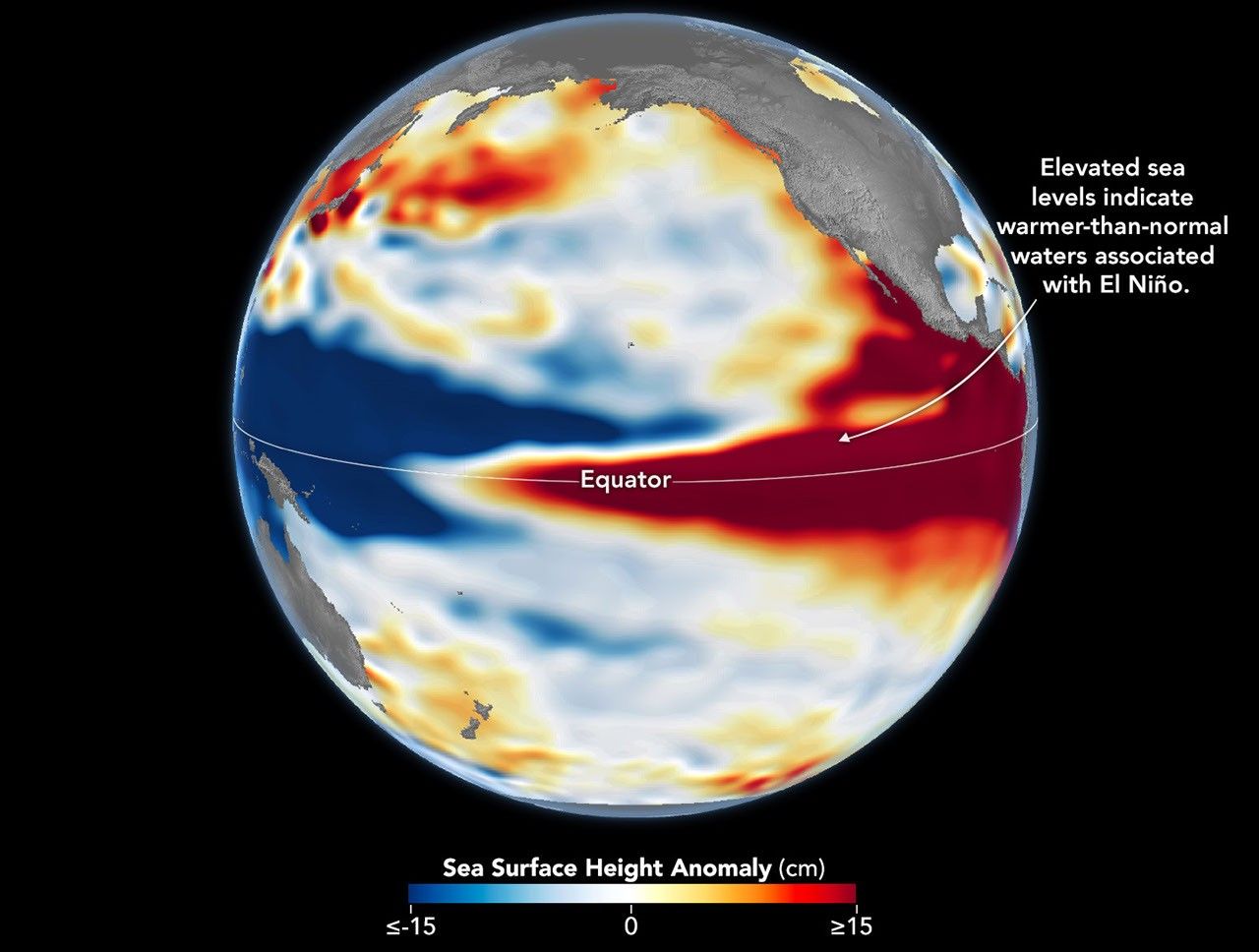
El Niño is the warm phase of the El Niño–Southern Oscillation (ENSO), a naturally occurring climate pattern involving interactions between the tropical Pacific Ocean and the atmosphere.
Under normal conditions, trade winds help move warm surface water towards the western Pacific. During El Niño, the usual pattern of winds and ocean temperatures changes, warming parts of the central and eastern equatorial Pacific.
These changes affect atmospheric circulation, influencing rainfall and temperature patterns in distant parts of the world.
El Niño is not a heatwave moving across the planet. It changes the likelihood of particular weather conditions, which depend on the strength and timing of the event, the season, regional geography and other climate influences.
Is El Niño the same as a heatwave?
No. El Niño is a large-scale climate pattern, while a heatwave is a period of unusually hot weather relative to the conditions normally expected in a particular location.
El Niño can contribute to conditions that favour higher temperatures in some regions, but it does not cause every heatwave. Long-term global warming also raises average temperatures and can make some extreme heat events more severe.
The distinction is important when interpreting forecasts and deciding what precautions to take.
What Does El Niño Mean for Africa?
Africa does not experience El Niño in one uniform way. Some regions may face below-average rainfall and drought risk, while others may experience unusually heavy rainfall, flooding or different combinations of hazards.
The World Meteorological Organization and regional climate institutions use seasonal outlooks to identify areas where particular conditions are more likely. These outlooks indicate probabilities, not certainty about what will happen in every community. https://wmo.int/media/news/el-nino-impacts-greater-horn-africa
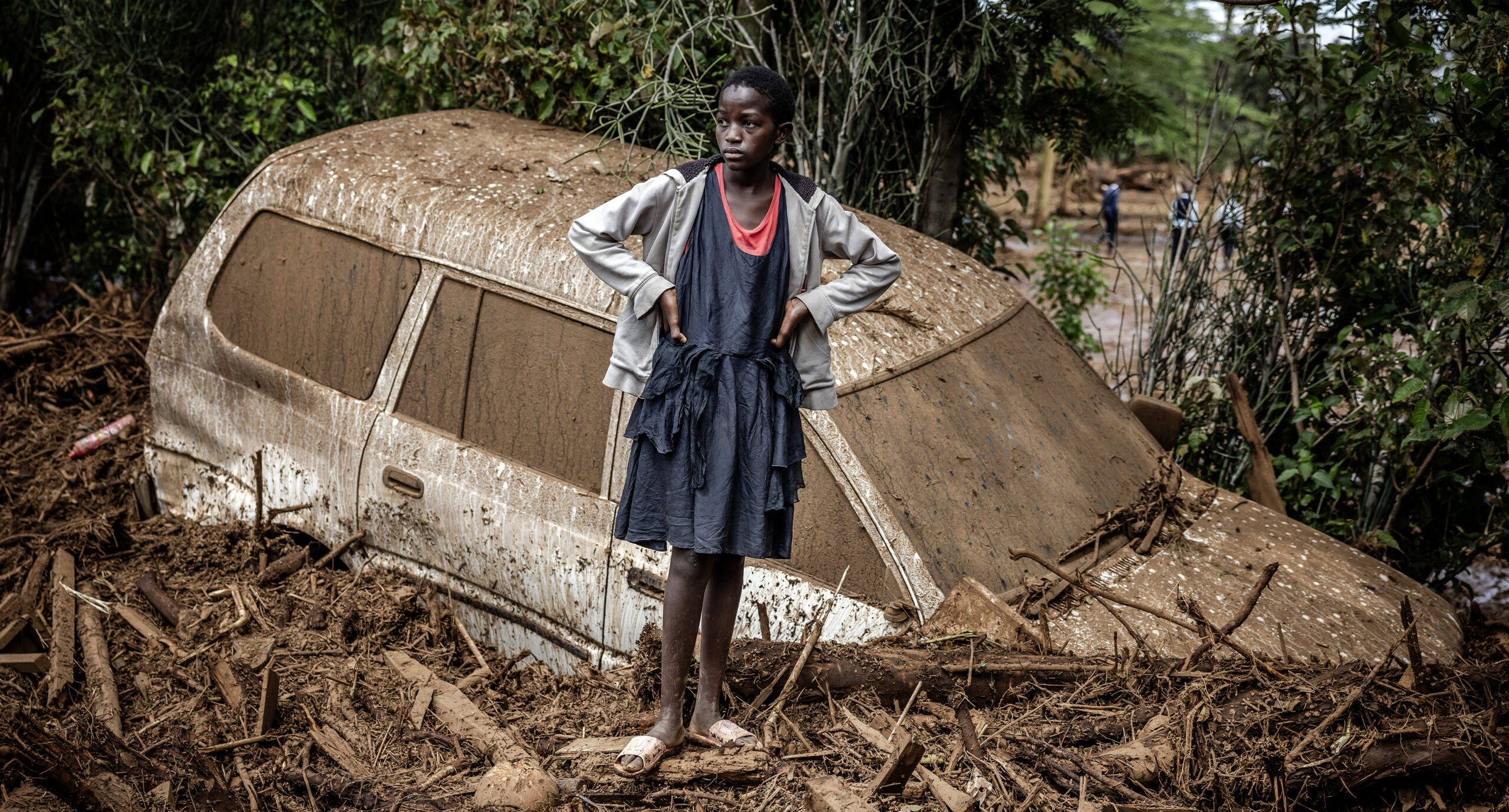
Image Credit: LUIS TATO / AFP (https://african.business)
Southern Africa: drought, heat and pressure on water supplies
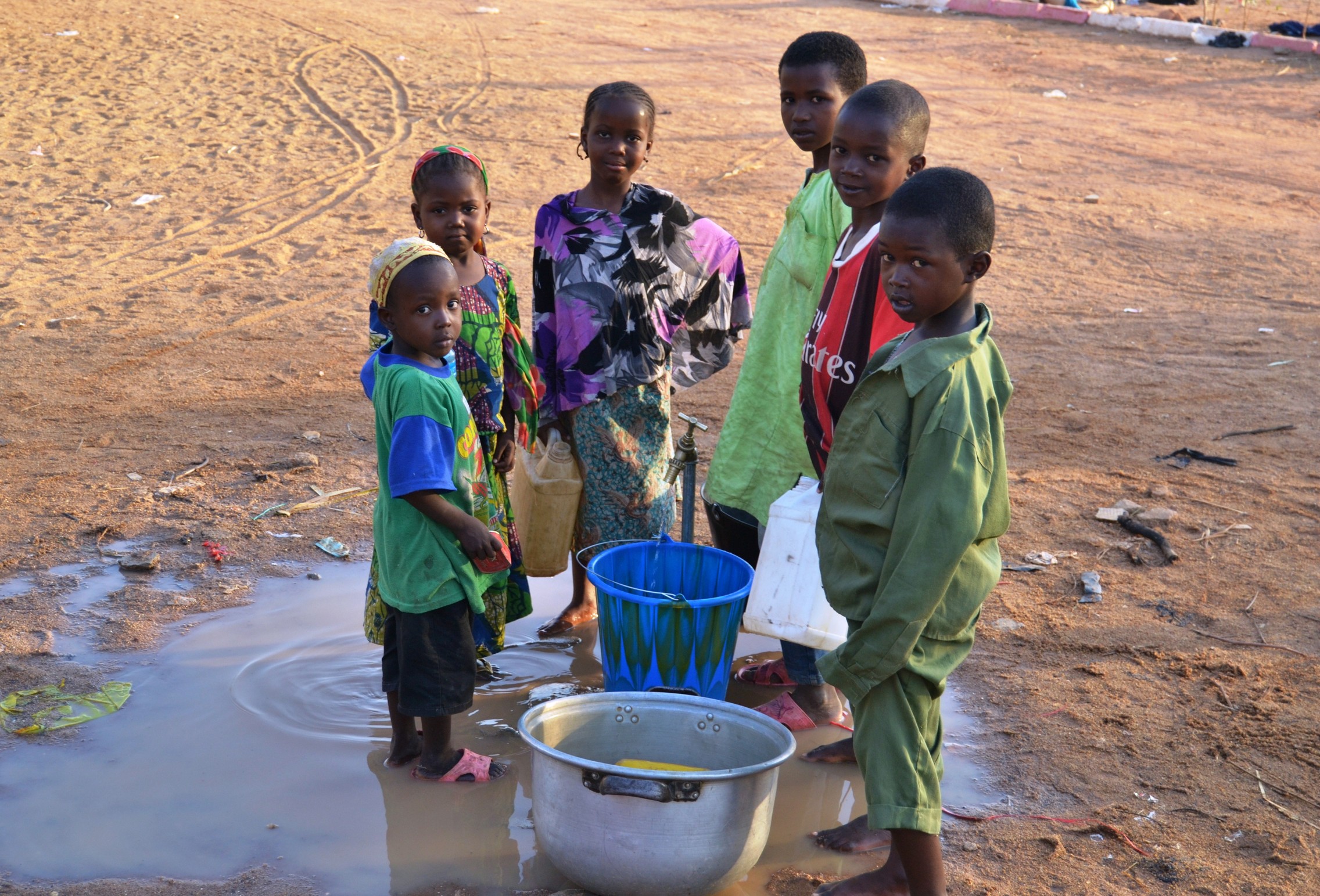
Parts of southern Africa are vulnerable to below-average rainfall during El Niño-influenced rainy seasons. If dry conditions persist, farmers may struggle to establish crops, livestock may have less access to water and pasture, and households may face increasing pressure on local water supplies.
Extreme heat can compound these problems by increasing water demand and accelerating moisture loss from soil and vegetation.
The consequences can extend beyond agriculture. Lower crop production can affect food availability, household income and local food prices, particularly in communities already facing economic pressure.
The precise risk varies between countries and districts, so local seasonal rainfall outlooks remain essential.
East Africa: some areas face flood risks, while others may be drier
El Niño's influence on East Africa demonstrates why the phenomenon should not be described simply as a drought event.
During some El Niño episodes, parts of equatorial East Africa experience heavier rainfall during the October–December short-rains season. Intense rainfall can increase the risk of flooding, landslides, damaged infrastructure and disruption to transport, farming and access to essential services.
Other parts of the wider region can face rainfall deficits or extreme heat. The outcome depends on the location, season and interaction between different climate systems.
Communities should therefore follow local forecasts and flood warnings rather than assuming that every part of East Africa will experience the same conditions.
West Africa and Nigeria: why local forecasts matter
For West Africa, the relationship between El Niño and seasonal rainfall is less straightforward than a simple prediction of widespread heat or drought.
Some historical climate patterns link El Niño to changes in rainfall across parts of the Sahel, but these relationships do not provide a reliable stand-alone forecast for every West African country.
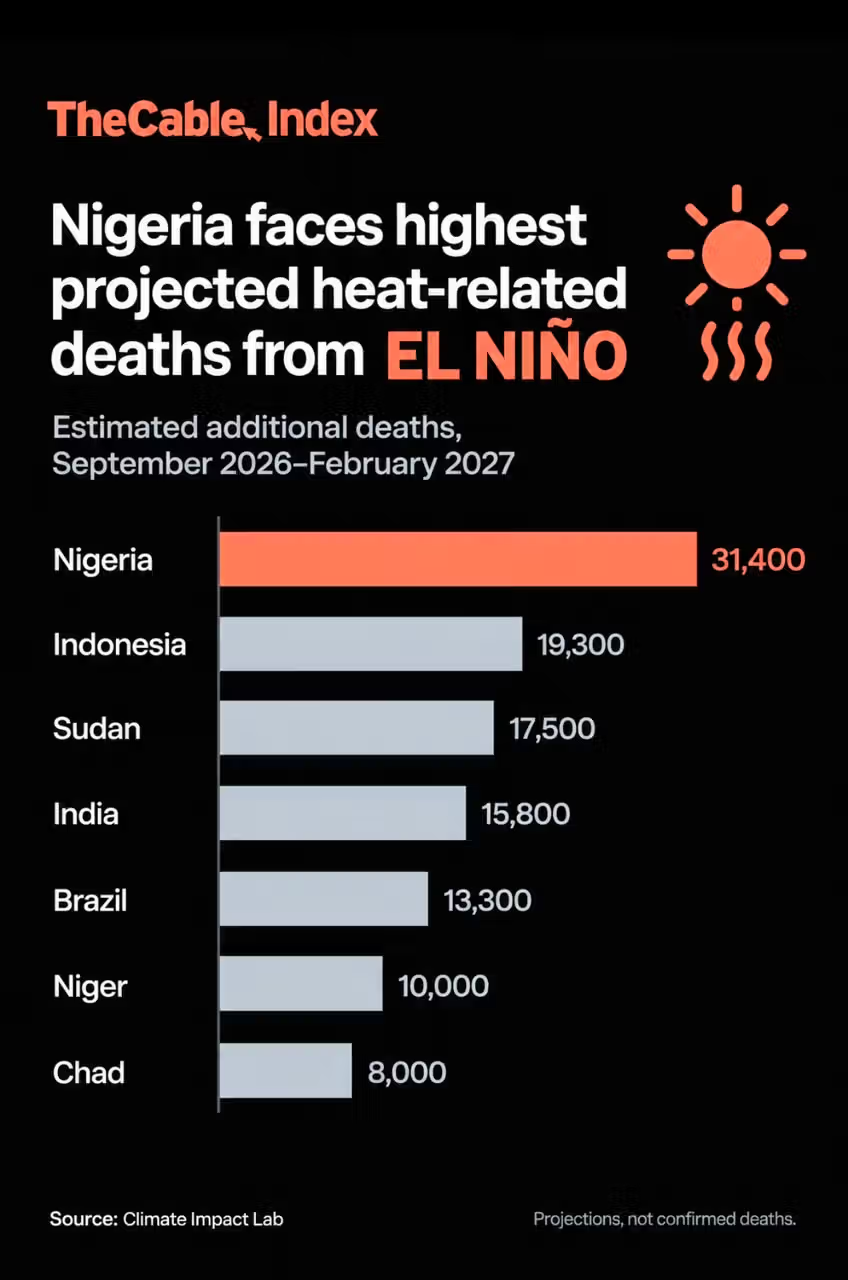
In Nigeria, hot weather can be influenced by seasonal conditions, regional atmospheric patterns, land use and long-term global warming, among other factors. El Niño may be relevant to the broader climate outlook, but it should not be identified as the direct cause of a particular heatwave without supporting evidence.
Nigerians should follow updates from the Nigerian Meteorological Agency (NiMet) and relevant public-health authorities for information about local temperatures, rainfall and weather hazards.
Why the regional differences matter
A drought warning and a flood warning require different responses. Heat safety measures cannot replace flood preparedness, just as water conservation alone cannot protect someone working for hours in dangerous temperatures.
For households, businesses and governments, the most effective preparation begins with identifying the likely local hazard and understanding who is most exposed.
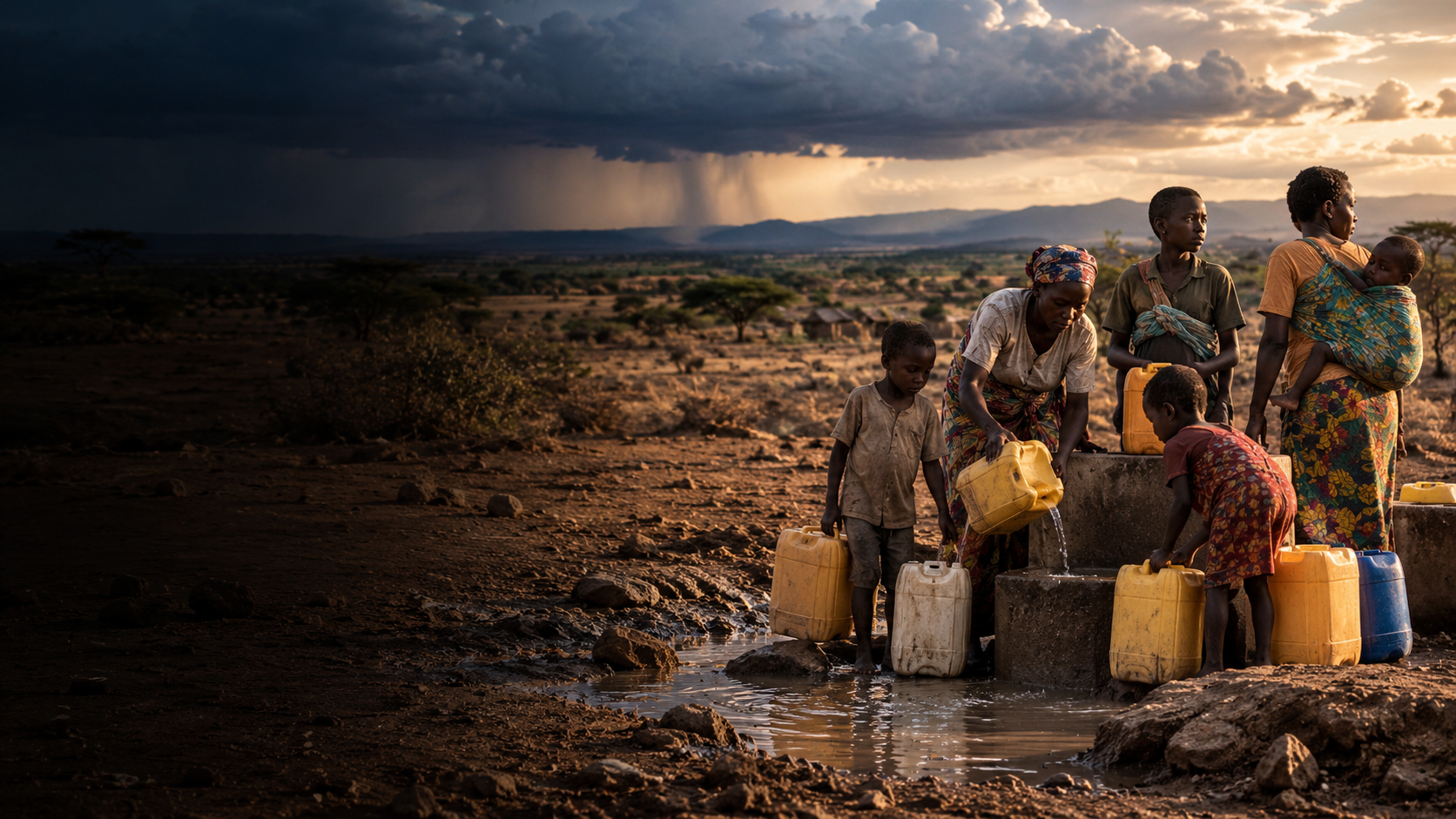
Flood and drought warnings are an essential tool in the fight against hunger and poverty. © IOM 2014 (Photo by Craig Murphy) (Wearewater)
Why Extreme Heat Is a Serious Health Risk
The human body must maintain a relatively stable internal temperature to function properly. During extreme heat, it can become harder to release excess body heat, particularly when a person is physically active, dehydrated or exposed for long periods.
Heat-related illness can range from dehydration and heat exhaustion to heatstroke, a potentially life-threatening emergency.
Some people face greater risks, including older adults, infants and young children, pregnant people, outdoor workers, people with certain chronic conditions and those without access to a cool environment.
In many African communities, unreliable electricity, crowded housing, limited shade and the cost of cooling equipment can make it more difficult to escape dangerous temperatures.
That makes practical preparation important, even when the local weather forecast does not specifically mention El Niño.
How Can Africans Stay Safe During Extreme Heat?
Staying safe involves reducing exposure, keeping the body cool, maintaining hydration and recognising when symptoms require medical attention.
1. Drink water regularly
Drink water throughout the day, especially when working outdoors, travelling or spending time in hot environments. Do not rely solely on thirst as a reminder to drink.
People who sweat heavily for prolonged periods may need to replace electrolytes as well as fluids. Anyone whose healthcare professional has advised them to restrict fluids should follow that individual advice.
2. Wear lightweight, breathable clothing
Choose loose-fitting, lightweight clothing that allows heat to escape. Where practical, use a hat, seek shade and reduce direct exposure to strong sunlight.
Clothing alone cannot prevent heat illness, but suitable clothing can make hot conditions more manageable.
3. Avoid strenuous activity during the hottest hours
When possible, schedule demanding outdoor work or exercise for cooler parts of the day, such as early morning.
Take regular breaks in shaded or cooler places. Employers should provide drinking water, rest breaks and appropriate arrangements for workers exposed to high temperatures.
If you begin to feel dizzy, nauseated or unusually weak, stop the activity and seek a cooler environment.
4. Keep your home as cool as possible
Close curtains or blinds where direct sunlight enters the home. If the outdoor air becomes cooler than the indoor air, opening windows when it is safe to do so may improve ventilation.
Use shading where possible, reduce unnecessary indoor heat and consider spending time in the coolest room available.
A cool shower or applying cool water to the skin can also help lower body temperature.
5. Use rechargeable fans wisely during power cuts
A charged rechargeable fan can help provide airflow when electricity is unavailable, but a fan is not a complete solution to extreme heat.
When air temperatures become very high, a fan may be insufficient and can increase heat gain under some conditions. If the indoor environment becomes dangerously hot, seek a cooler location if it is safe and practical to do so.
Charge devices using appropriate equipment and avoid unsafe electrical connections or improvised charging arrangements.
6. Check on children, older adults and neighbors
People who are particularly vulnerable may need help recognizing symptoms or accessing a cooler environment.
Check that children, older adults and people living alone have drinking water and a safe place to rest. Never leave a child or an animal in a parked vehicle, where temperatures can rise rapidly.
7. Follow official weather and health advisories
Check forecasts and alerts from your national meteorological service and relevant health authorities.
In Nigeria, NiMet is an important source for local weather information. Across Africa, national meteorological services and regional climate centres provide guidance on rainfall, temperature and other hazards.
Do not rely on a general El Niño headline to determine the conditions in your area. Follow the latest local advice.
How to Recognize Heat Exhaustion and Heatstroke
Recognizing warning signs early can prevent a dangerous situation from becoming worse.
What are the warning signs of heat exhaustion?
Possible symptoms include:
Headache or dizziness.
Nausea.
Heavy sweating.
Muscle cramps.
Unusual weakness or fatigue.
Move the person to a cooler place, stop physical activity, loosen unnecessary clothing and begin cooling the body with cool water or wet cloths.
If the person is fully alert and can swallow safely, offer small amounts of water. Seek medical advice if symptoms worsen or do not improve promptly.
When is heat illness an emergency?
Confusion, collapse, fainting, seizures or very high body temperature can indicate heatstroke or another medical emergency.
Seek emergency medical help immediately and begin cooling the person while waiting for assistance. Do not delay treatment.
Do not give drinks to someone who is confused, unconscious or unable to swallow safely.
What Should African Households Do Before Extreme Heat Arrives?
Preparation is more effective when it happens before conditions become dangerous.
Households can identify the coolest room in the home, plan how to access drinking water, charge rechargeable devices safely and check on relatives who may need additional assistance.
Outdoor workers and employers can agree on rest breaks, access to shade and ways to respond if someone develops symptoms of heat illness.
Communities can also identify safe places where people may seek temporary relief from dangerous temperatures, where such facilities are available.
Governments and institutions have a broader role in providing reliable weather warnings, improving access to water and healthcare, supporting heat-resilient housing and protecting workers exposed to high temperatures.
El Niño Is a Reason to Prepare, Not to Panic
El Niño is an important influence on the global climate system, but it is not a precise prediction of the weather in every African country.
Some areas may experience drought and extreme heat; others may face heavy rainfall and flooding. The effects depend on the region, the season and other climate conditions.
For African households, the immediate priorities are practical: monitor local forecasts, reduce exposure to dangerous heat, maintain access to drinking water, recognize symptoms of heat illness and check on people who may be particularly vulnerable.
For governments, employers and communities, preparedness also means reliable early-warning systems, safer working conditions, accessible healthcare and better access to cool environments.
The question is not simply whether El Niño will make Africa hotter. It is whether people have the information and resources to respond to the risks that actually develop.
thecable
Understanding El Niño is the first step. Preparing for local conditions is what makes that knowledge useful.
- El Niño explained
- What is El Niño?
- El Niño effects on Africa
- El Niño weather patterns
- El Niño climate impact
- El Niño and extreme heat
- Extreme heat in Africa
- What does El Niño mean
- How does El Niño affect African countries?
- What causes El Niño?
- What are the warning signs of heat exhaustion?
- El Niño in Nigeria
- Extreme heat in Nigeria
- Pacific Ocean temperatures
- heat exhaustion
- El Niño
- Africa
- Climate
- Weather
- Extreme Heat
- Heat Safety
- Climate Change
- Nigeria
- Public Health
- Drought
- Rainfall
- Climate Preparedness
Tip: highlight any line in the story to turn that line into a share card.
Frequently asked
- What is “El Niño Explained: What It Means for Africa and How to Stay Safe in Extreme Heat” about?
- El Niño is a climate pattern that can influence rainfall, temperature and the risk of extreme weather across parts of Africa. Here is what it means for the continent, why its effects differ by region, and the practical steps households can take to protect themselves from dangerous heat.
- Who covers culture on PINCHED?
- Eshio Joseph reports this piece for the PINCHED culture desk.
- Where can I read “El Niño Explained: What It Means for Africa and How to Stay Safe in Extreme Heat”?
- Read it in full at https://staypinched.site/read/el-nin-o-explained-what-it-means-for-africa-and-how-to-stay-safe-in-extreme-heat.