
Could a Robot End Marathon Braiding Appointments? Meet the Nigerian-American Founder Behind HaloBraid
A $7 million startup says its braid-assist robot can cut hours from salon visits.
Choose your narrator
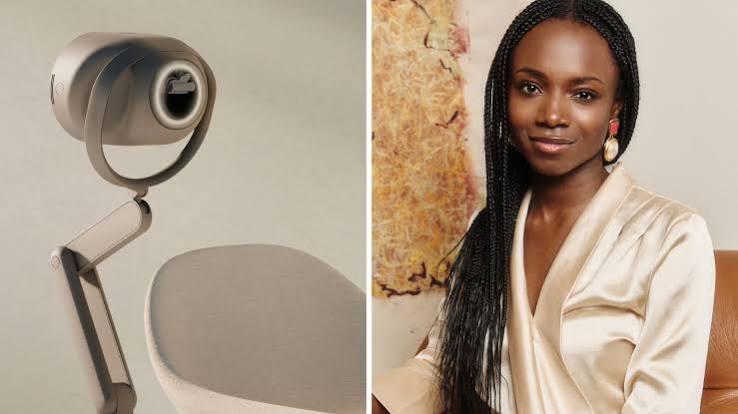
In short
HaloBraid is a real braid-assist robot from Halo, founded by Nigerian-American Yinka Ogunbiyi, which raised $7M in seed funding; the company claims it helps stylists braid up to five times faster.
- Desk:
- culture
- Format:
- article
- Author:
- Praise_writes
If you have ever sat in a salon chair for six, eight or even twelve hours while your braids slowly came together, you will understand why this story is going viral. A Nigerian-American founder says she has built a hair-braiding robot that helps stylists finish braids much faster. So, is it real, and should braiders be worried? Here is what checks out.
Is the HaloBraid Story True?
Yes, the core of the post is accurate. HaloBraid is a real product from a startup called Halo, founded by Yinka Ogunbiyi. It raised a $7 million seed round, led by Seven Seven Six, the venture firm of Reddit co-founder Alexis Ohanian, with AlleyCorp and Bling Capital also taking part. The announcement came on June 23, 2026.
Who Is Yinka Ogunbiyi?
Ogunbiyi is described as a Nigerian-American engineer with a Harvard engineering degree and a joint MS and MBA from Harvard. At 27, she grew up in London and spent four years on a smart kitchen appliance startup before moving into hair technology. Her co-founder is fellow Harvard alumnus David Afolabi.
The Four-Day Braiding Marathon That Started It All
Every good startup story has a pain point, and this one is relatable. During the COVID-19 lockdown, salons were closed, so Ogunbiyi decided to braid her own hair. Alone in a London flat, she spent four days on it, and she began to wonder why braiding technology had barely moved while other robotics had.
The team went on to build 450 prototypes over 18 months and tested them on thousands of braids, including Ogunbiyi’s own hair. In 2025, the project also won Harvard’s President’s Innovation Challenge and its $75,000 grand prize.
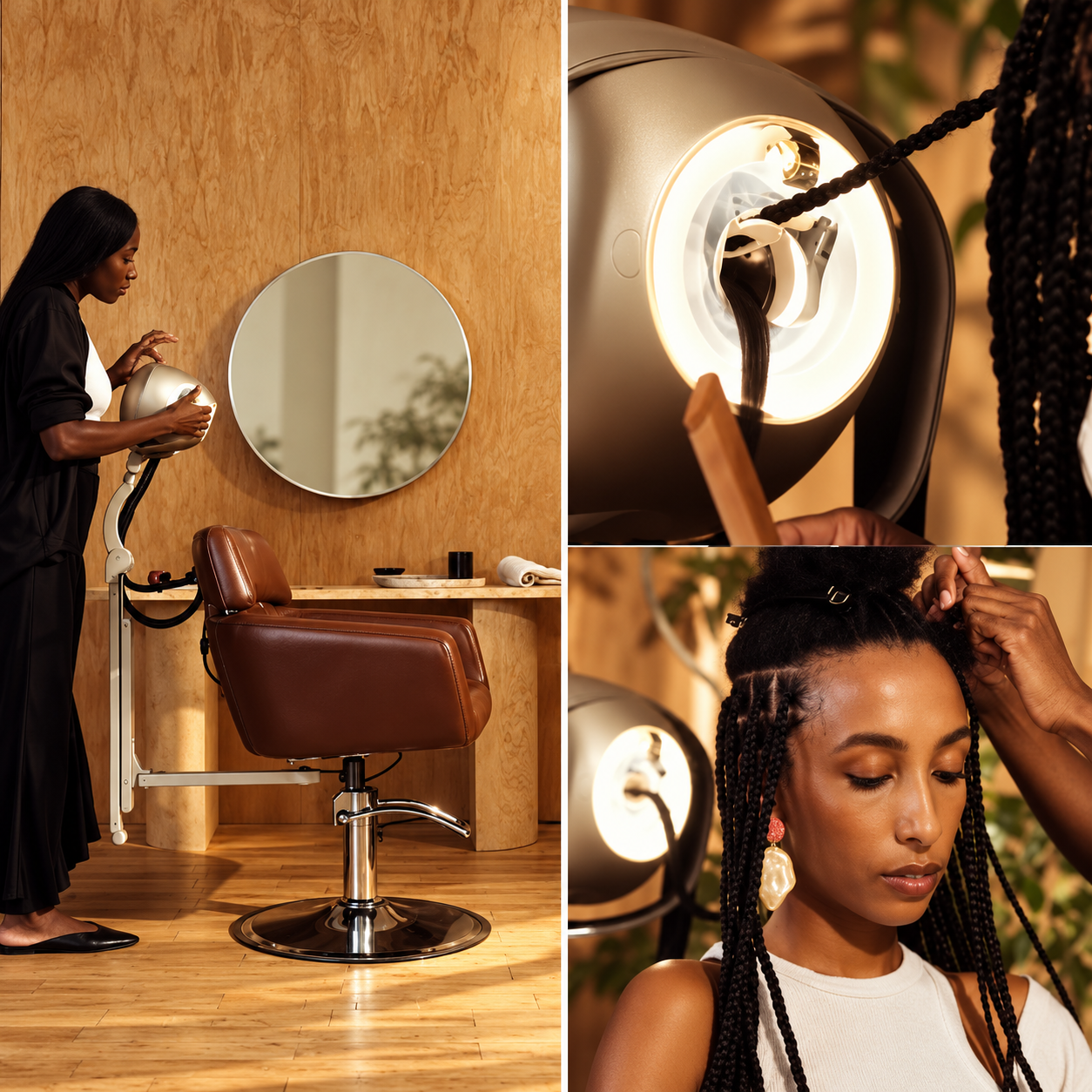
What Does HaloBraid Actually Do?
Here is the part many people miss: it is not a robot that replaces the stylist. The process works in three simple steps:
Step 1: The stylist sections the hair, applies products and starts the first braid by hand.
Step 2: The partly braided hair goes into the device, which handles the repetitive weaving.
Step 3: The stylist returns to finish and secure the ends in the requested style.
In other words, the stylist keeps control of the final look. As Ogunbiyi puts it, the product is designed to support stylists “without replacing them”. It is also described as looking more like the hair dryers already used in some salons than a humanoid robot.
How Much Faster Is It, Really?
Some outlets say HaloBraid can complete braids up to five times faster than a human hand. Others say the company expects to cut appointment times by around half now, with five times faster as a longer-term goal.
Also, the final saving depends on the style and the number of braids. So, the safest way to put it is that the company says it is faster, but the real-world difference is still unproven.
Why Braiders and Clients Should Care
Braiding is slow and hard on the body. The company points to a 6 to 12 hour session, which limits stylists to one or two clients a day, and says braiders face a higher risk of problems such as carpal tunnel syndrome and arthritis. A session can also cost $200 to $300, according to the company’s own description.
For clients, shorter appointments could mean less time in the chair. For stylists, they could mean more clients and less strain. That is the promise, anyway.
Ogunbiyi’s idea started with four tiring days in a London flat, and it has grown into a $7 million bet on better hair technology. Whether it lives up to the speed claims is something only salons will prove. For more stories like this, visit our culture desk and lifestyle desk.
Frequently Asked Questions
1. What is HaloBraid?
It is a braid-assist device from Halo that helps stylists complete braids faster. The stylist starts the braid and finishes it.
2. Who founded HaloBraid?
Yinka Ogunbiyi, with co-founder David Afolabi.
3. How much funding has Halo raised?
$7 million in seed funding, led by Seven Seven Six.
4. Will a robot replace hair braiders?
The company says no. It is designed to work alongside stylists, not replace them.
5. When will HaloBraid be available?
A salon rollout is planned for later in 2026, with no exact date or price announced.
- HaloBraid
- Yinka Ogunbiyi
- Braids
- Hair Tech
- Startups
- Nigerian-American
Tip: highlight any line in the story to turn that line into a share card.
Frequently asked
- What is “Could a Robot End Marathon Braiding Appointments? Meet the Nigerian-American Founder Behind HaloBraid” about?
- If you have ever sat in a salon chair for six, eight or even twelve hours while your braids slowly came together, you will understand why this story is going viral. A Nigerian-American founder says she has built a… A $7 million startup says its braid-assist robot can cut hours from salon visits.
- Who covers culture on PINCHED?
- Praise_writes reports this piece for the PINCHED culture desk.
- Where can I read “Could a Robot End Marathon Braiding Appointments? Meet the Nigerian-American Founder Behind HaloBraid”?
- Read it in full at https://staypinched.site/read/if-you-have-ever-sat-in-a-salon-chair-for-six-eight-or-even-twelve-hours-while.