
Lassa Fever in Nigeria 2026: Why the Death Rate Is 23.6%, the Symptoms to Watch and How to Protect Your Home
Nearly one in four confirmed Lassa fever patients has died this year, and the dry season is here. Here is what the numbers mean and how to stay safe.
Choose your narrator
In short
Lassa fever has killed 268 of 1,138 confirmed cases in Nigeria in 2026, a 23.6% fatality rate. Symptoms include fever, weakness and headache; you can lower your risk by storing food in rodent-proof containers and seeking care early.
- Desk:
- on the sport
- Format:
- article
- Author:
- Praise_writes
Nearly one in four confirmed Lassa fever patients in Nigeria has died this year. That is a heavier toll than in 2025, and the dry season, when cases usually climb, is only just beginning.
So, what does the 23.6% fatality rate really mean, who is most at risk, and what can you do today? Here is a clear, practical guide.
Lassa Fever in Nigeria 2026: The Latest Numbers
The most recent Nigeria Centre for Disease Control (NCDC) figures we could find cover the first 40 weeks of the year. By early October, Nigeria had recorded 1,138 confirmed cases and 268 deaths, a case fatality rate of 23.6%, up from 18.6% at the same point in 2025.
Confirmed cases are also higher than last year’s 924. Meanwhile, 24 states and 119 local government areas have reported at least one case.
Where Most Cases Are
Ondo: about 36% of confirmed cases.
Bauchi: about 23%.
Taraba: about 12%.
Edo: about 11%.
Benue: about 6%.
Together, these five states account for roughly 88% of confirmed cases. In addition, people aged 21 to 30 are the most affected age group, and 54 health workers have been infected this year.
Why Is the Fatality Rate So High?
A 23.6% figure sounds alarming, and it is serious. However, it is not the same as your risk of dying if you catch the virus. The rate only counts confirmed cases, and the World Health Organization says about 80% of infections cause no or only mild symptoms. Many mild cases are never tested, so they never reach the statistics.
Even so, the NCDC links the high rate to late presentation: people reach hospital after the illness has already become severe. High treatment costs, poor sanitation and low awareness also play a part. Fewer new cases alongside more deaths is consistent with patients arriving too late.
Lassa Fever Symptoms: What to Watch For
Lassa fever has a long incubation period of 2 to 21 days, and early signs look like many common illnesses. WHO lists these early symptoms:
Fever and general weakness.
Headache and a feeling of being unwell.
Sore throat, muscle or chest pain.
Nausea, vomiting, diarrhoea and cough.
In severe cases, you may see facial swelling, bleeding, low blood pressure, seizures or confusion. Roughly one in five infections becomes severe.
Because the early signs resemble malaria and typhoid, Lassa fever is hard to tell apart without a test. That is why NCDC Director-General Dr Jide Idris has warned against prolonged self-treatment for presumed malaria. If you have a fever that does not improve, especially in or after travel to an affected area, go to a health facility and ask about a Lassa test.
How Lassa Fever Spreads
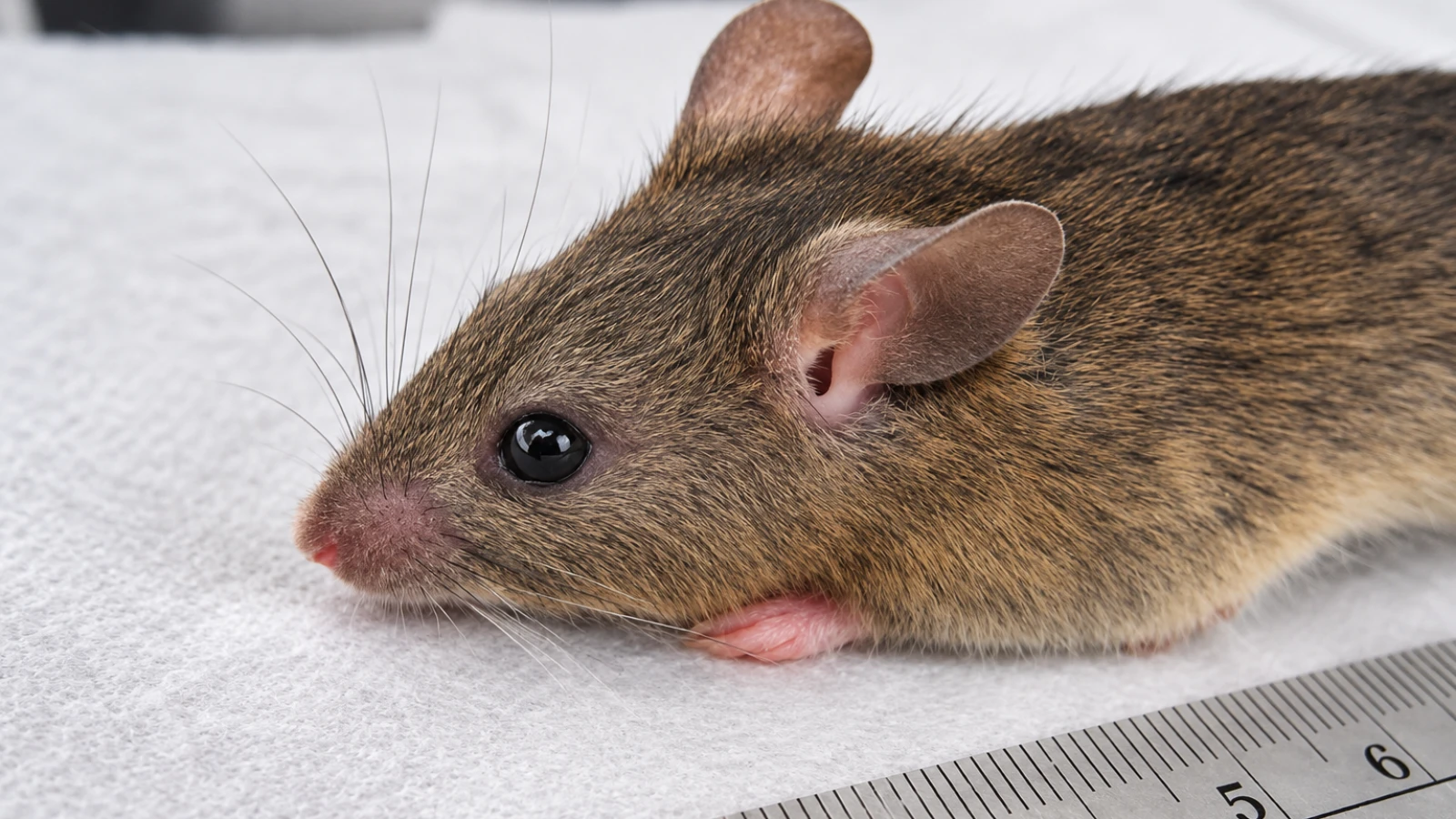
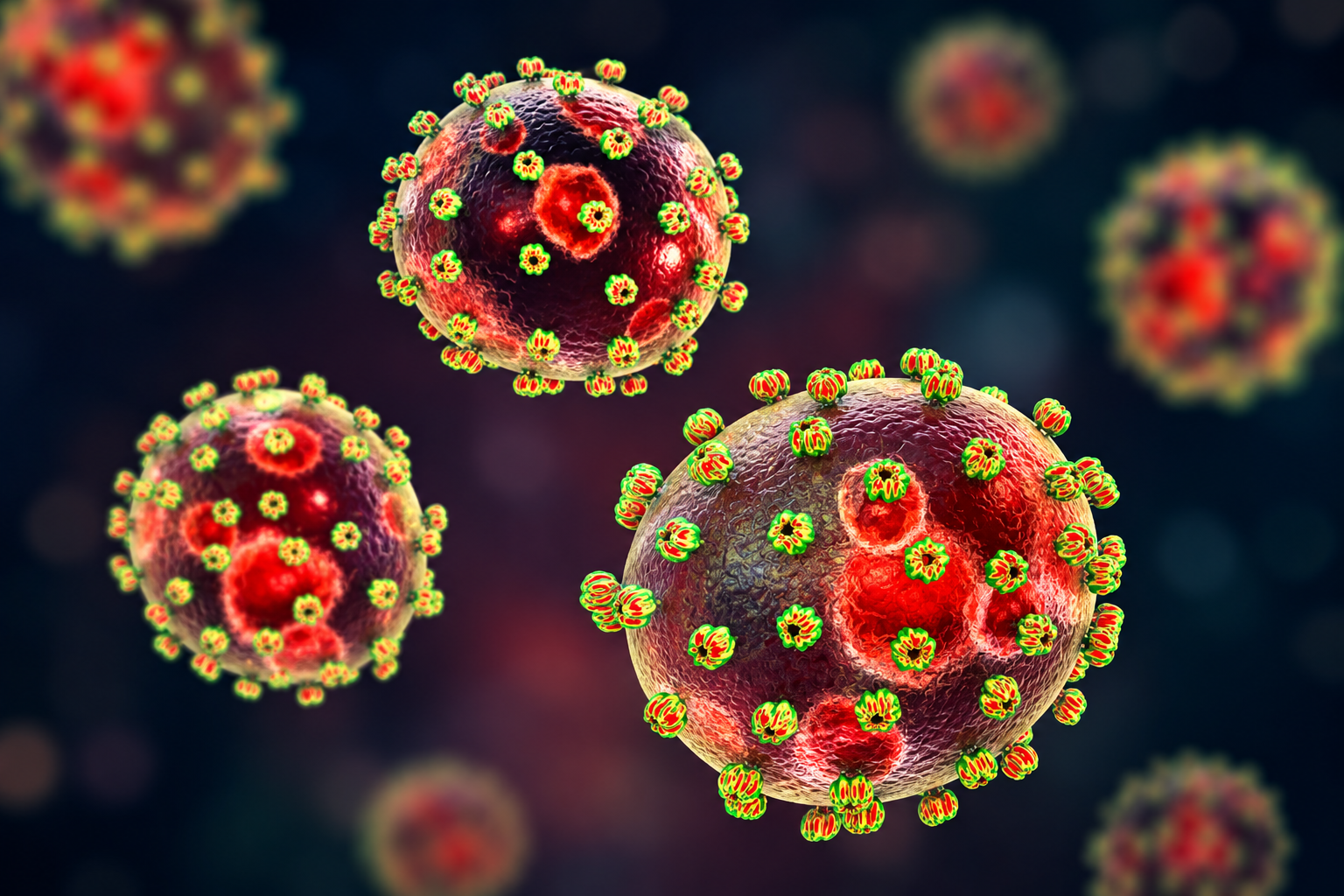
The virus lives in the multimammate rat (Mastomys). You can be infected through contact with food or household items contaminated by rat urine or droppings. It can also pass between people through blood or other body fluids, mostly in health facilities with poor infection control.
It does not spread through casual contact like a cold. Still, caring for a sick relative at home without protection can be risky, so ask a health worker for guidance.
Why the Next Few Months Matter
Cases tend to rise in the dry season, particularly from November to April, which is why the NCDC wants preparations to start early. Hotter weather and dry bushes push rodents closer to homes, and bush burning can bring people and rats closer together.
Therefore, now is the right time to act, not when the first case appears in your area.
How to Protect Your Home and Family
Store food in rodent-proof containers. Cover garri, rice, beans and grains tightly.
Keep your home and compound clean. Dispose of waste properly and clear bushes near the house.
Block rat entry points. Seal holes and gaps in walls, doors and roofs.
Cook food thoroughly and avoid eating anything rodents may have touched.
Do not dry food on the ground where rats can reach it.
Wash your hands regularly, especially before eating.
Food safety matters beyond Lassa fever too. Before you share a scary food or health claim, see how we checked the plantain chips claim.
Treatment: Why Early Care Matters
There is no licensed Lassa vaccine yet. Treatment relies on early supportive care, including fluids and managing symptoms, and doctors may use the antiviral ribavirin. Sources differ on how well it works: one WHO page says it is effective when given early, while the global fact sheet says its effectiveness and best dose are uncertain. Either way, starting care early improves survival.
Hearing loss is another risk. WHO says it affects up to 25% of recovered patients and is often permanent. Pregnant women are also at higher risk, particularly in the third trimester.
What to Do in an Emergency
If someone has a severe fever, bleeding, confusion or difficulty breathing, get to a hospital quickly and tell staff about possible Lassa exposure so they can protect themselves. Saving the right number is wise, so read whether you can dial 112 in Nigeria.
Lassa fever is not the only outbreak in the news. Nigeria is also monitoring contacts of an imported Ebola case, which makes fast reporting of unexplained fevers even more important.
For more guides and updates, visit the PINCHED homepage or browse our magazine.
Frequently Asked Questions
1. What is Lassa fever?
It is an acute viral haemorrhagic illness caused by the Lassa virus, found mainly in West Africa and carried by rodents.
2. What are the early symptoms of Lassa fever?
Fever, weakness, headache and general illness, sometimes with sore throat, vomiting, diarrhoea or cough.
3. How is Lassa fever spread?
Mostly through food or items contaminated with rat urine or droppings, and less often through contact with an infected person’s body fluids.
4. Is there a cure or vaccine for Lassa fever?
There is no licensed vaccine. Early supportive care improves survival, and ribavirin is sometimes used.
5. Which states have the most Lassa fever cases in 2026?
Ondo, Bauchi, Taraba, Edo and Benue account for about 88% of confirmed cases.
6. Can Lassa fever kill you?
Yes, though most infections are mild. In Nigeria this year about 23.6% of confirmed cases have died.
.
- Lassa Fever
- NCDC
- Nigeria Health
- Disease Outbreak
- Prevention
Tip: highlight any line in the story to turn that line into a share card.
Frequently asked
- What is “Lassa Fever in Nigeria 2026: Why the Death Rate Is 23.6%, the Symptoms to Watch and How to Protect Your Home” about?
- Nearly one in four confirmed Lassa fever patients in Nigeria has died this year. That is a heavier toll than in 2025, and the dry season, when cases usually climb, is only just beginning.
- Who covers on the sport on PINCHED?
- Praise_writes reports this piece for the PINCHED on the sport desk.
- Where can I read “Lassa Fever in Nigeria 2026: Why the Death Rate Is 23.6%, the Symptoms to Watch and How to Protect Your Home”?
- Read it in full at https://staypinched.site/read/lassa-fever-in-nigeria-2026-why-the-death-rate-is-23-6-the-symptoms-to-watch.