
CAF Makes Kiswahili Its Fifth Official Language: What Changes for African Football?
A first for an African language at CAF. Here is what was decided in Abuja and what is still unanswered.
Choose your narrator
In short
CAF adopted Kiswahili as its fifth official language at its 48th Ordinary General Assembly in Abuja on 21 November 2026, joining English, French, Arabic and Portuguese.
- Desk:
- on the sport
- Format:
- article
- Author:
- Praise_writes
African football just got a new voice. The Confederation of African Football (CAF) has made Kiswahili its fifth official language, and the move is a first for an African language in the organisation’s lineup.
So, what exactly was decided, why does it matter and what is still unclear? Here is what you need to know.
What CAF Decided
The decision came at CAF’s 48th Ordinary General Assembly in Abuja, held on Saturday 21 November 2026. Representatives of all 54 member associations attended.
Kiswahili now joins English, French, Arabic and Portuguese as official languages under CAF’s statutes. CAF called it a “historic decision” and said it reflects a commitment to “embracing Africa’s linguistic and cultural diversity.”
Why Kiswahili?
Kiswahili is a Bantu language that began along the East African coast. Today it is a common language for people with different mother tongues across Tanzania, Kenya, Uganda, the DRC, Rwanda and Burundi.
It is also gaining ground in politics. The African Union made Swahili an official working language in 2022, and SADC adopted it as a fourth official language in 2019. CAF is following a trend, not starting one, and the pattern shows how far the language has travelled beyond East Africa.
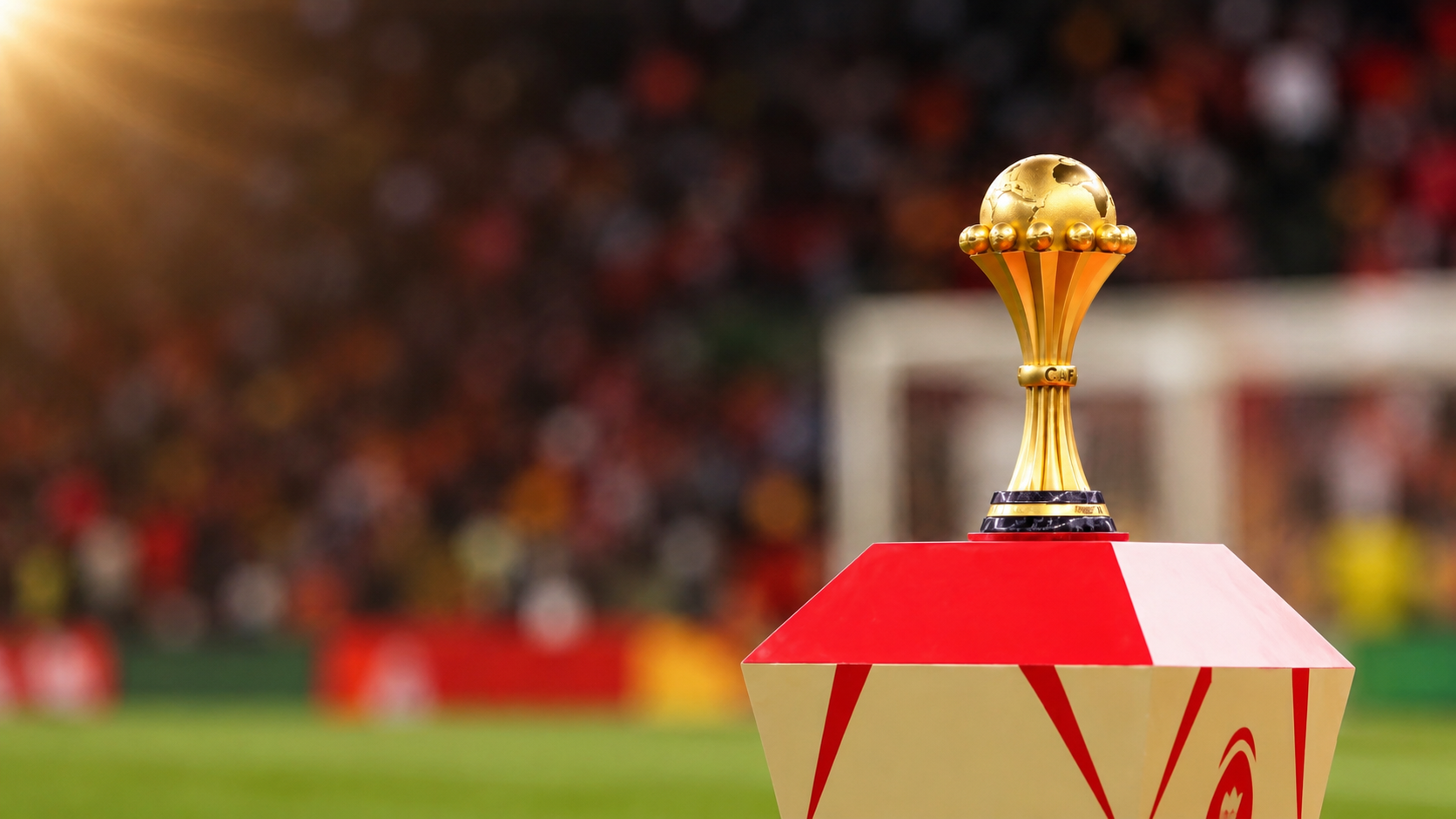
The football link is also strong. East Africa is preparing to host the 2027 Africa Cup of Nations across Kenya, Tanzania and Uganda. Back in October 2023, Tanzania said it would ask CAF to add Kiswahili as a broadcast language for that tournament. However, none of the articles we found connects the two directly, so treat any link as likely, not confirmed.
What This Could Mean
CAF says the move should strengthen the representation of African languages in football administration. In practical terms, that could eventually mean:
Official documents and statements in Kiswahili.
Wider access for fans and officials in East and Central Africa.
More recognition for other African languages in sport.
Although these are possible outcomes, CAF has not yet said which of them will happen, so it is wise to wait for the official rollout before expecting changes at matches or on its platforms.
Why It Matters for Fans
For millions of supporters, football is followed in the language they speak at home. Official recognition sends a clear signal that African languages belong in the boardrooms of the continent’s biggest sport, not only on the terraces.
However, symbolism is only the first step. The real test will be whether CAF backs the decision with translated documents, communication and access, so that Kiswahili speakers feel the difference.
Other Business at the Assembly
Delegates also unanimously backed Gianni Infantino’s re-election as FIFA president ahead of the 77th FIFA Congress in Rabat on 18 March 2027. In addition, CAF President Patrice Motsepe thanked President Tinubu, the Nigerian government and the Nigeria Football Federation for hosting.
For more African sport and culture stories, visit the PINCHED homepage or the PINCHED magazine.
Frequently Asked Questions
1. What are CAF’s official languages now?
English, French, Arabic, Portuguese and Kiswahili.
2. Where was the decision made?
At the 48th Ordinary General Assembly in Abuja, Nigeria.
3. Does this affect AFCON 2027?
CAF has not said so. The tournament is set for Kenya, Tanzania and Uganda, where Kiswahili is widely spoken.
- CAF
- Kiswahili
- Swahili
- CAF General Assembly
- Abuja
- African football
- AFCON 2027
- Motsepe
Tip: highlight any line in the story to turn that line into a share card.
Frequently asked
- What is “CAF Makes Kiswahili Its Fifth Official Language: What Changes for African Football?” about?
- A first for an African language at CAF. Here is what was decided in Abuja and what is still unanswered.
- Who covers on the sport on PINCHED?
- Praise_writes reports this piece for the PINCHED on the sport desk.
- Where can I read “CAF Makes Kiswahili Its Fifth Official Language: What Changes for African Football?”?
- Read it in full at https://staypinched.site/read/african-football-just-got-a-new-voice-the-confederation-of-african-football-caf.