The Live Circuit Is Still Where Afrobeats Gets Paid
Streaming builds the demand. Rooms, festivals and private shows settle the bill.
Choose your narrator
In short
For most African artists, recorded music functions as marketing and live performance functions as revenue. Show fees, festival slots and private bookings pay in a single settlement what streaming pays across months.
- Order of operations:
- The record builds demand, the show collects on it
- Fee driver:
- Booking fees track proven audience in a city, not global stream counts
- Structural risk:
- Income concentrated in touring collapses when travel or visas fail
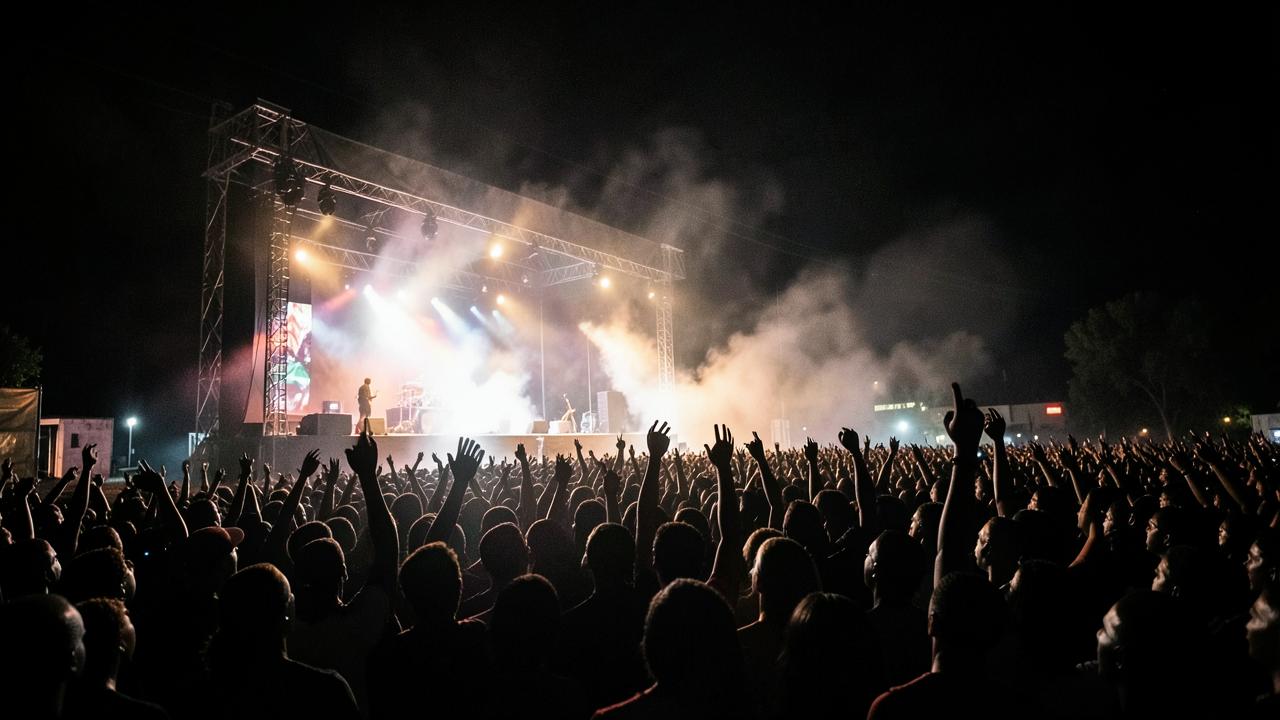
Ask an African artist how the last year went and they will answer with a list of cities, not a chart position. That instinct is correct. For the overwhelming majority of acts on this continent, the recording is the advertisement and the show is the invoice.
Why the show pays and the record does not
A streaming payout arrives in fragments, months late, after several intermediaries. A performance fee is negotiated once, in advance, and often paid in a stronger currency. One settles a debt. The other trickles.
This is not a complaint about streaming so much as a description of what streaming is for. It creates demand in places an artist has never physically been, which is the precondition for a tour that pays.
Promoters buy depth, not reach
A booking fee reflects how many people in a specific city will buy a ticket on a specific night. Global stream counts are weak evidence of that. An artist with a concentrated regional following will regularly out-earn one with larger, thinner numbers spread across the world, and promoters know it long before the artist does.
The fragility nobody plans for
Income built on touring is income exposed to visas, flight costs, promoter solvency and the health of one person. A cancelled run does not reduce earnings, it removes them. Artists who survive long careers here build a second line — publishing, sync, catalogue, direct audience income — precisely because the first line can vanish in a week.
What this changes about releasing
If the show is the business, then a release is a scheduling decision as much as a creative one. Music lands when it can be performed, in a window when the artist can travel, in markets where a promoter is already interested. Releasing into a year with no route to a stage is releasing into a void with good reviews.
- afrobeats
- african music industry
- live music
- creator economy
- content monetization
Tip: highlight any line in the story to turn that line into a share card.
Frequently asked
- How do Afrobeats artists make most of their money?
- Predominantly from live performance — show fees, festival slots, private bookings and tours — supported by brand work, with streaming acting mainly as demand-building.
- Does a high stream count guarantee high show fees?
- No. Promoters pay for ticket-buying audience in a specific city, so an artist with regional depth can out-earn one with larger but scattered streaming numbers.