
Why a Rider on Horseback Opened Dakar 2026: The Meaning Behind the Ceremony’s Biggest Moment
A horse, regional dress and a mother figure made Dakar 2026’s opening unforgettable.
Choose your narrator
In short
The rider was Alkebulan, a character representing ancestral Africa in the Dakar 2026 show “The Flight of Sitoé,” who entered on horseback.
- Desk:
- culture
- Format:
- article
- Author:
- Praise_writes
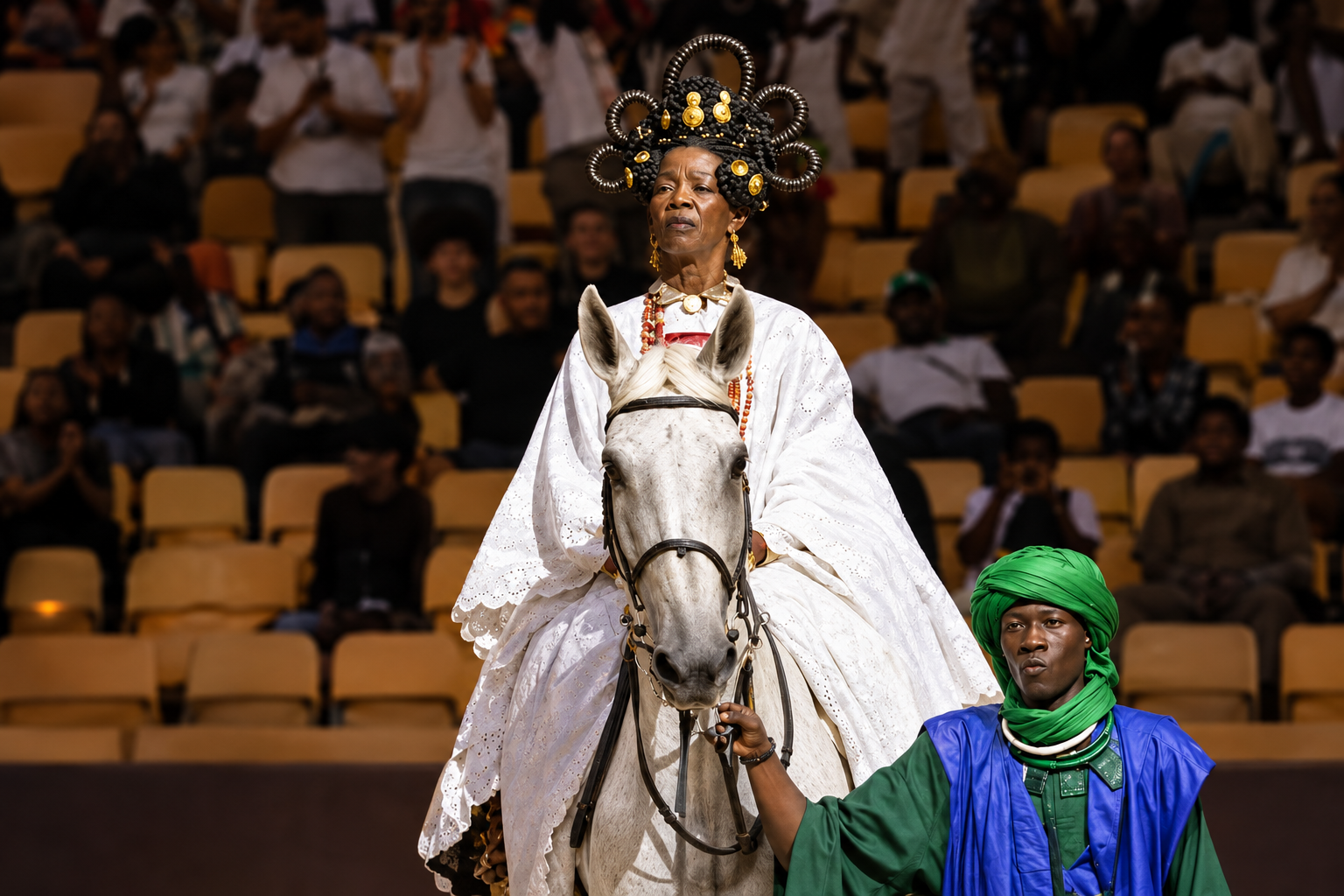
If you have seen the clip of a figure in flowing white, wearing a beaded headpiece and riding into a stadium on horseback, you have seen the moment everyone is talking about. It happened at the Dakar 2026 Youth Olympic Games opening ceremony, and it carried more meaning than a grand entrance.
So, here is who the rider was, what the attire and horse stand for, and the other cultural moments worth knowing.
Who Was the Rider on the Horse?
The horse belonged to Alkebulan, one of three symbolic characters in a show called “The Flight of Sitoé.” Alkebulan, the mother, represented ancestral Africa and rode into the arena on horseback, which electrified the crowd.
The show was built around three generations passing a baton. Alkebulan stood for the past, her son Keb for the present and a young girl named Sitoé for the future. Keb arrived on a motorcycle in a scene inspired by the Senegalese film Touki Bouki, which neatly contrasts the horse and the motorbike.
What the Traditional Attire Showed
The attire was part of the same story. Costumes from Mali, Ghana, Senegal and South Africa showed how varied African dress traditions are, instead of presenting one single look. About 1,500 costumes were also made locally with the help of around 100 craftspeople and creative professionals.
The costumes were designed to celebrate heritage, and the lion-inspired disguises of the Simb tradition were among the few outfits specifically described.
What Does the Horse Mean?
In the Alkebulan story, the horse carries the figure representing ancestral Africa, which fits the idea of origins and authority.
History adds weight to that. Across Senegambia, horses gave Wolof and other states their cavalry, and they were prized as emblems of nobility, with stallions among sedentary peoples reserved mainly for chiefs. So, a mother figure arriving on horseback would read to many people as power, dignity and lineage.
What “Alkebulan” Means
The name is popularly presented as an ancient name for Africa, said to mean “mother of mankind”. The Romans named the land after the Afri, a Berber people near Carthage. Either way, the show uses the name as a symbol of the continent as a mother.
Other Cultural Moments From the Night
Wrestling rituals: About 100 wrestlers performed the “bakk”, the dances and gestures that traditionally accompany wrestlers entering the arena.
Simb, the “faux lion”: A tradition that uses costumes and drumming to portray lion-inspired characters.
Teranga: The Wolof word for hospitality, presented as part of Senegalese identity for visiting delegations.
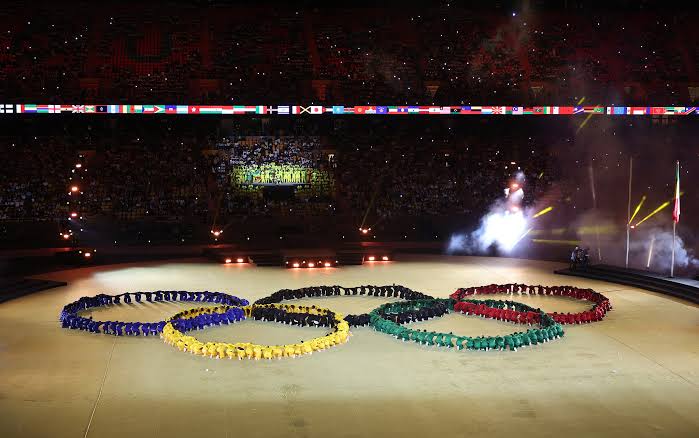
Africa on the field: About 360 dancers formed the map of Africa.
Music: Baaba Maal, Kya Loum, Daara J Family and Sona Jobarteh performed.
Meanwhile, the ceremony director, Khady Niang, said the show lets Africa “tell the world who we are, where we come from and where we want to go.” Also, the cauldron was lit by Senegalese athletes Abdourahmane Marieme Sy and Aicha Diop.
Why It Matters
This was the first Olympic event ever held in Africa, so the opening was always going to be a statement. By putting heritage, regional dress and a horse-borne “mother Africa” on the same stage as hip-hop and Afrobeats, Dakar showed a continent honouring its past while writing its future. For more on the Games, read our Dakar 2026 coverage on PINCHED.
Frequently Asked Questions
1. Who rode the horse at the Dakar 2026 opening ceremony?
Alkebulan, the character representing ancestral Africa, rode in on horseback.
2. What does Alkebulan mean?
It is popularly said to be an ancient name for Africa meaning “mother of mankind,” though that claim is weakly sourced.
3. What was the theme of the opening ceremony?
“The Flight of Sitoé,” which followed Africa’s past, present and future through three characters.
- Dakar 2026
- Senegal
- African Culture
- Alkebulan
- Youth Olympic Games
- Traditional Attire
Tip: highlight any line in the story to turn that line into a share card.
Frequently asked
- What is “Why a Rider on Horseback Opened Dakar 2026: The Meaning Behind the Ceremony’s Biggest Moment” about?
- If you have seen the clip of a figure in flowing white, wearing a beaded headpiece and riding into a stadium on horseback, you have seen the moment everyone is talking about. It happened at the Dakar 2026 Youth Olympic… A horse, regional dress and a mother figure made Dakar 2026’s opening…
- Who covers culture on PINCHED?
- Praise_writes reports this piece for the PINCHED culture desk.
- Where can I read “Why a Rider on Horseback Opened Dakar 2026: The Meaning Behind the Ceremony’s Biggest Moment”?
- Read it in full at https://staypinched.site/read/if-you-have-seen-the-clip-of-a-figure-in-flowing-white-wearing-a-beaded.