
Ebola Has Reached Kenya: What Nigerians Should Know Right Now
No confirmed case in Nigeria, but the NCDC is on alert. Here is what is known, and what you can do.
Choose your narrator
In short
Kenya announced its first imported Bundibugyo Ebola case on October 6, 2026. As of October 6, the NCDC said there was no confirmed case in Nigeria, but it has raised its vigilance.
- Desk:
- on the sport
- Format:
- article
- Author:
- Praise_writes
The news that Ebola has reached Kenya has many Nigerians asking one question: should we be worried? Here is the short answer. As of October 6, the NCDC said there was no confirmed case of Ebola in Nigeria, but it has raised its vigilance. So, this is a time to be informed and calm, not panicked.
In this guide, we explain what happened in Kenya, how big the outbreak in the Democratic Republic of Congo (DRC) is, what Nigeria is doing and what you can do to stay safe.
What Happened in Kenya?
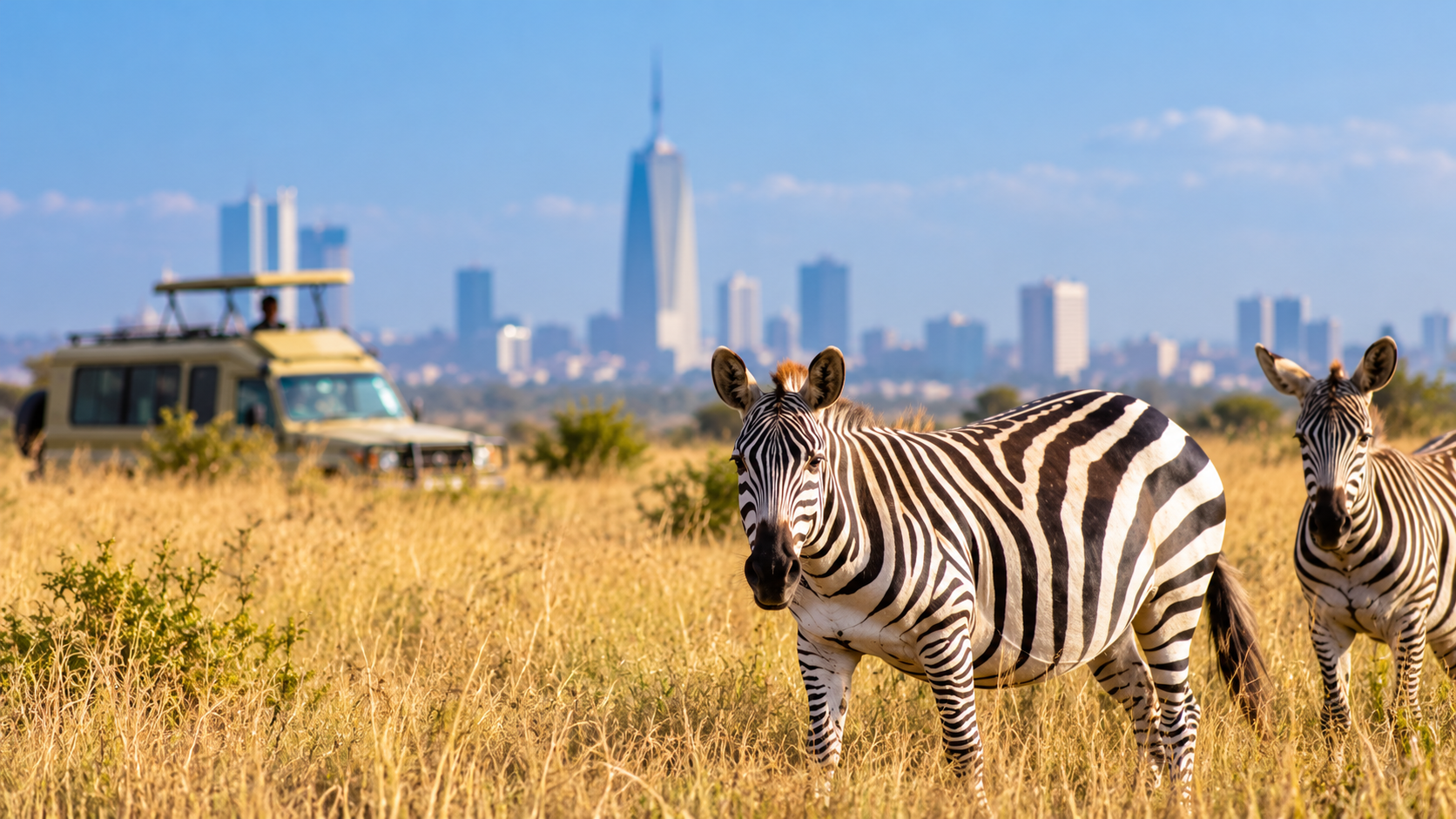
Kenya announced its first imported Bundibugyo Ebola case on October 6, 2026. The patient was a Kenyan who had lived in the DRC. He travelled by road from the DRC to Kampala, Uganda, then flew to Nairobi, where he tested positive and later died.
Dates differ slightly between reports. The World Health Organization (WHO) says Kenya confirmed the case on October 5 and that he died the same day, while Kenyan officials announced it on October 6. The same report says he had been ill for about a month before travelling.
The good news is that no new cases have been reported in Kenya so far. According to Kenyans.co.ke, Health Secretary Aden Duale said all 122 contacts have been listed and verified as of October 11, and none of the 108 people in quarantine had developed symptoms. Of 293 samples tested, only the original case was positive.
How Big Is the Outbreak in the DRC?
The outbreak in the DRC is large. The European Centre for Disease Prevention and Control (ECDC) reports 8,978 confirmed cases and 4,336 deaths as of October 11, with 65 of the country’s 167 health zones affected. Ituri province is the worst hit.
WHO’s own update, covering the period to October 6, puts the figures at 8,728 confirmed cases and 4,205 deaths, and says the outbreak was declared a Public Health Emergency of International Concern on May 17, 2026, as its latest outbreak notice explains. The numbers differ only because the reports cover different dates.
Uganda, which also had cases earlier this year, was declared Ebola-free on August 25, according to ECDC. ECDC lists no cases in Nigeria or elsewhere in West Africa.
Is Nigeria at Risk?
The NCDC says the Kenyan case increases the risk of importation through travel and movement of people. NCDC Director-General Dr Jide Idris said there was no confirmed case in Nigeria as of October 6, and that the agency is reviewing the risk and its preparedness measures.
Nigeria has been preparing for months. In May, the NCDC issued a national public health advisory asking states to identify isolation facilities, strengthen screening and protect health workers. In June, President Tinubu set up a presidential task force and ordered the release of ₦10 billion for emergency preparedness.
The same report lists tougher passenger screening at international airports, closer monitoring of flights on high-risk routes and a QR code health declaration for passengers from high-risk countries. So, if you are flying in from an affected region, expect extra checks.
How Does Ebola Spread, and What Are the Symptoms?
Ebola passes from infected animals, such as fruit bats, to people. After that, it spreads between people through contact with blood or body fluids, or through contaminated items like bedding. WHO’s Ebola page notes that a person cannot spread the virus until symptoms begin.
Early symptoms include fever, tiredness, muscle pain, headache and a sore throat. Later, some people have vomiting, diarrhoea or bleeding. Symptoms appear 2 to 21 days after infection. Ebola can look like malaria, typhoid or meningitis, so only a test can confirm it. In other words, a fever does not mean you have Ebola, but you should get checked.
Is There a Vaccine or Treatment?
WHO says there are no approved vaccines or specific treatments for the Bundibugyo strain, although candidate vaccines are being reviewed and a clinical trial of treatments began enrolling patients on July 2. The NCDC adds that vaccines and antibody treatments made for the Zaire strain should not be relied on for this one.
That is why early care matters. WHO says rehydration and treatment of specific symptoms improve survival, so do not wait if you feel unwell.
What Should You Do?
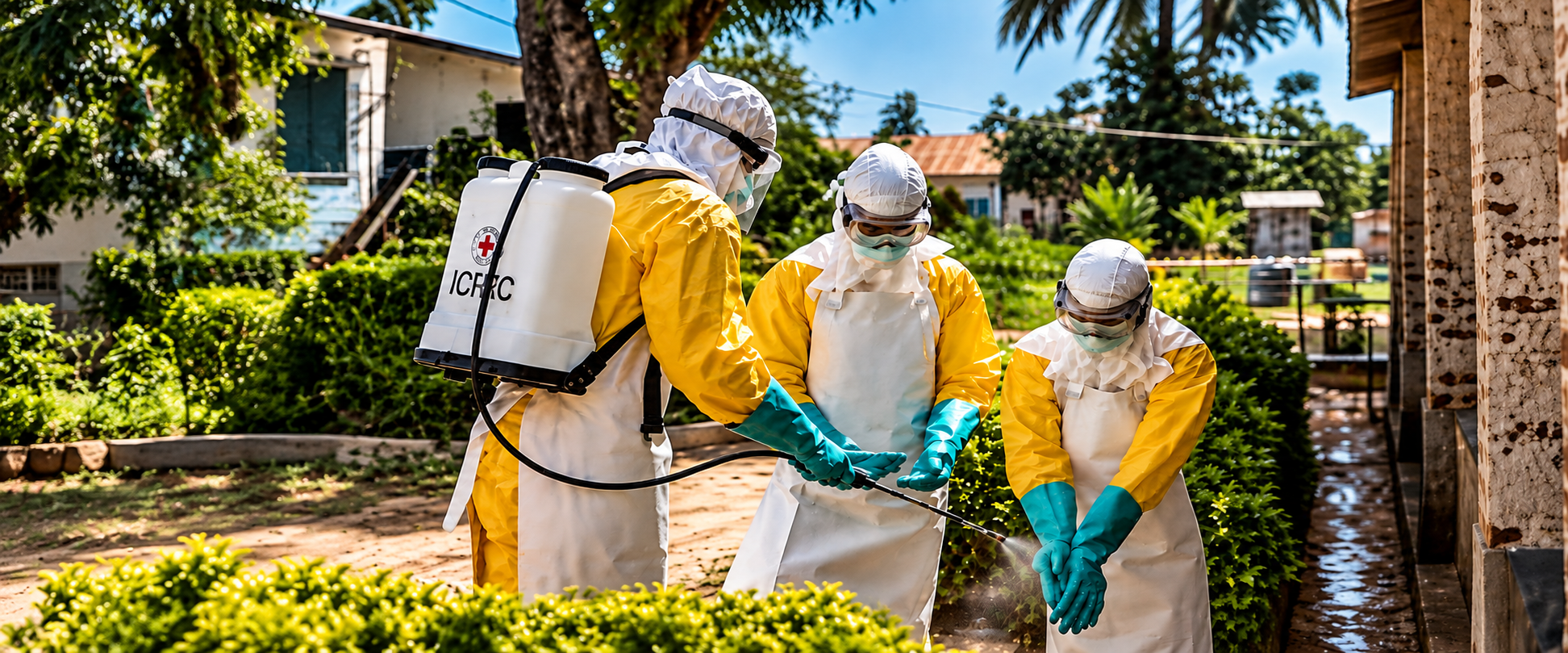
First, stay calm, but stay informed. Wash your hands often with soap and water or an alcohol-based sanitiser. Avoid contact with the blood or body fluids of anyone who is sick, and avoid handling sick or dead wild animals or eating raw or poorly cooked bushmeat, as the NCDC advises.
Second, if you have travelled to an affected area, monitor your health for 21 days. If you develop symptoms, seek medical care promptly and tell the health worker about your travel. Finally, rely on the NCDC and WHO, not on forwarded messages. If you are planning a trip, see our adventure desk, and for more health stories, visit our health desk.
Should You Cancel Your Travel Plans?
WHO advises against travel or trade restrictions on affected countries, so this is not an official reason to stop all travel. However, if you are heading to the DRC or nearby, check current official travel advice and your airline’s rules before you go.
Ebola is serious, but the facts today are clear: no confirmed case in Nigeria, a fast-moving response and simple steps you can take. Share this guide with someone who might be worried, and check the NCDC for updates.
Quick FAQs
1. Is there Ebola in Nigeria?
As of October 6, the NCDC said there was no confirmed case in Nigeria. ECDC lists no cases in Nigeria or West Africa.
2. How did Ebola get to Kenya?
A Kenyan who lived in the DRC travelled through Uganda and flew to Nairobi, where he tested positive and died.
3. Is there a vaccine for Bundibugyo Ebola?
No approved vaccine or specific treatment exists yet, according to WHO, although candidates are being reviewed and a treatment trial has begun.
- Ebola
- NCDC
- Kenya
- DRC
- Health
- Nigeria
Tip: highlight any line in the story to turn that line into a share card.
Frequently asked
- What is “Ebola Has Reached Kenya: What Nigerians Should Know Right Now” about?
- The news that Ebola has reached Kenya has many Nigerians asking one question: should we be worried? Here is the short answer.
- Who covers on the sport on PINCHED?
- Praise_writes reports this piece for the PINCHED on the sport desk.
- Where can I read “Ebola Has Reached Kenya: What Nigerians Should Know Right Now”?
- Read it in full at https://staypinched.site/read/the-news-that-ebola-has-reached-kenya-has-many-nigerians-asking-one-question.