Prosper Light on Building OGWA Studios From Nothing, and Why Year Two Means Playing a Different Game
A year ago, Prosper Light started OGWA Studios with no trust fund, no investor and no co-founder. Twelve months, four short films, a documentary and 47 brand partnerships later, he tells PINCHED what the first year actually cost him, why the studio's new publishing arm almost wasn't a book, and what he needs year two to prove.
Choose your narrator
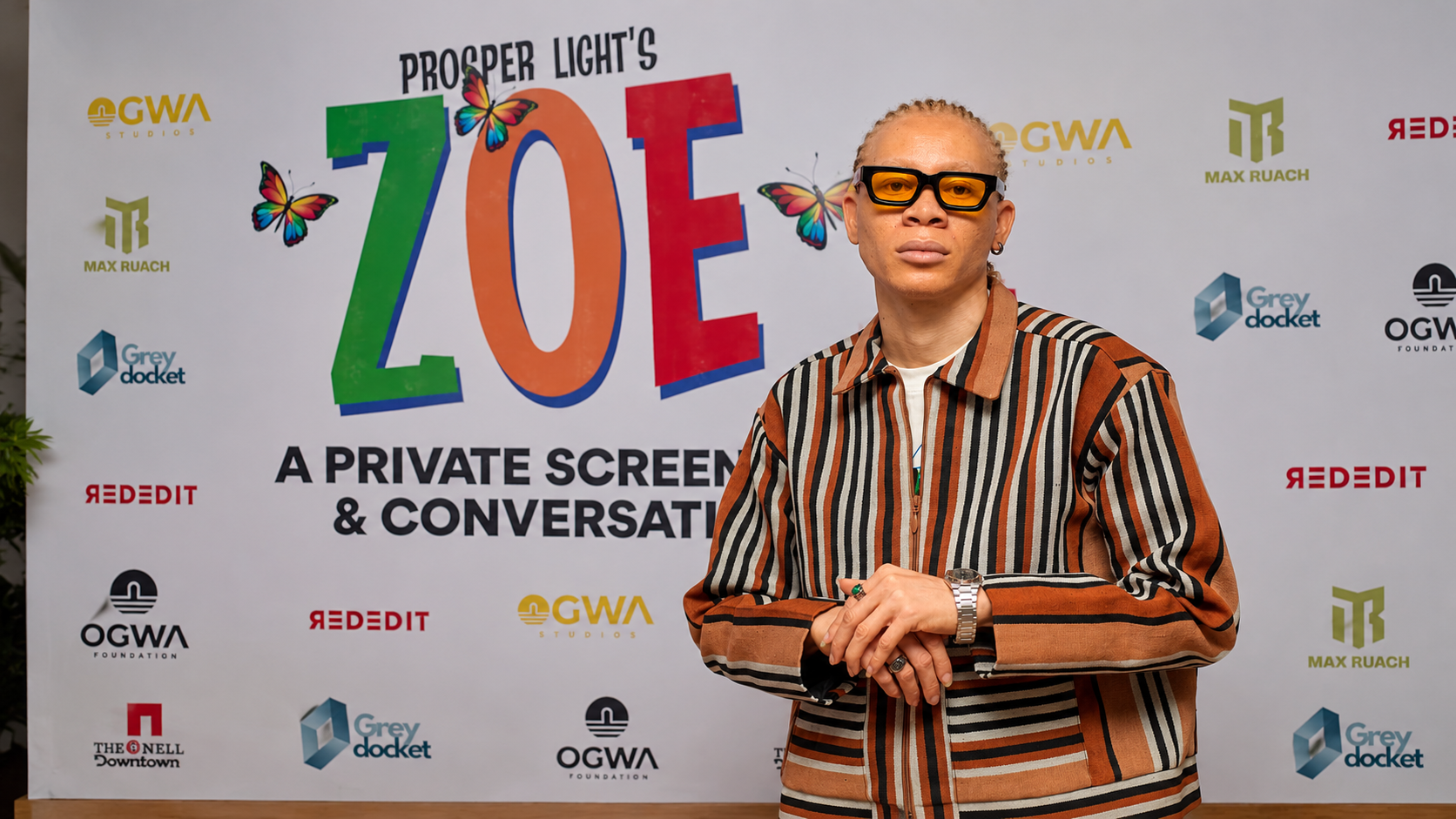
In short
Prosper Light is the founder of OGWA Studios, a self-funded Nigerian production house that built a filmography, a 200-member community and 47 brand partnerships in its first year without outside investment.
- Desk:
- film
- Format:
- interview
- Author:
- Kenneth Onyebuchi
Prosper Light built OGWA Studios the only way he says was ever really available to him: alone, with no trust fund, no investor and no co-founder, on the belief that a body of work would eventually do the convincing a pitch deck couldn't. A year later, that body of work includes four short films, a documentary, five community events and 47 brand partnerships, all without outside funding. PINCHED first told that story when OGWA turned one. In this follow-up interview, Light goes further into how he got there, what nearly fell apart along the way, and why the studio's newly launched publishing arm, Blue Biro, was never really the plan.
Before OGWA, There Was Prosper
Light describes himself as a storyteller before he ever had the word for it. As a child, he pulled his friends together for stage plays and was known in his church community as the kid who organised the entertainment, from choreography to dance. Around age nine, he sold his first written story to a children's author named Ben for 10,000 naira, paid to his mother. He told everyone at school to expect it. The story never came out under his name, and he never saw it published, though the payment was real. The pattern, he said, repeated itself at different points in his life: pulling people together to create something, whether a dance team or a drama team.
His focus eventually shifted from performing to writing and directing, a move he describes as giving him control over his own narrative rather than someone else's. That same instinct shapes how he runs OGWA's events today. After noticing he was always too busy managing an event to actually enjoy it, Light said he now insists that each one be roughly 80% pre-planned, specifically so he can experience it as a guest alongside everyone else.
The Decision to Go It Alone
Light is matter-of-fact about why OGWA started without a trust fund, an investor or a co-founder: none of those were realistically on offer. "People don't want to fund your idea," he said. "If they were going to invest, they want to see that it is striving to some extent." That observation became his working method. Before asking brands to sponsor the Audacity to Be Seen masterclass, OGWA ran it first, so there would be something to point to. The studio's early short films followed the same logic, built to become a track record rather than a pitch.
A co-founder would have helped, he said, and reduced a workload that remains considerable for one person. But he is no longer willing to bring just anyone on board. He described a conversation with a friend whose only offer was money, not time or belief in the vision, and said that isn't enough on its own. "Alignment is key for me," he said. "I can't just bring anybody on board."

Prosper Light speaking with colleagues. Source: Prosper Light and OGWA Studios
What "OGWA bụ ụlọ" Means
OGWA stands for Original Gripping Works of Art. OGWA bụ ụlọ, the phrase the studio has built its identity around, means Ogwa is home. Light described it as a deliberate choice that runs through every part of the operation, not just what ends up on screen. The studio's crew, he said, is intentionally drawn from different races, religions and identities, and the foundation arm behind OGWA's work is organised around three words: stories, people, impact. The aim, as he put it, is for anyone experiencing OGWA's work for the first time, whether through a film or at an event, to feel like they belong.
The First Year, In Numbers
Four short films, a documentary, five events drawing 578 attendees combined, and 47 brand partnerships, all inside one self-funded year. Asked which number surprised him most, Light didn't point to the attendance. He expected people to show up, he said, because OGWA's approach to storytelling had already built an audience. What caught him off guard was how many brands said yes, among them the British Council and Creative Economy Practice. "It still feels surreal," he said. "It's such a reaffirmation that we are doing things right."
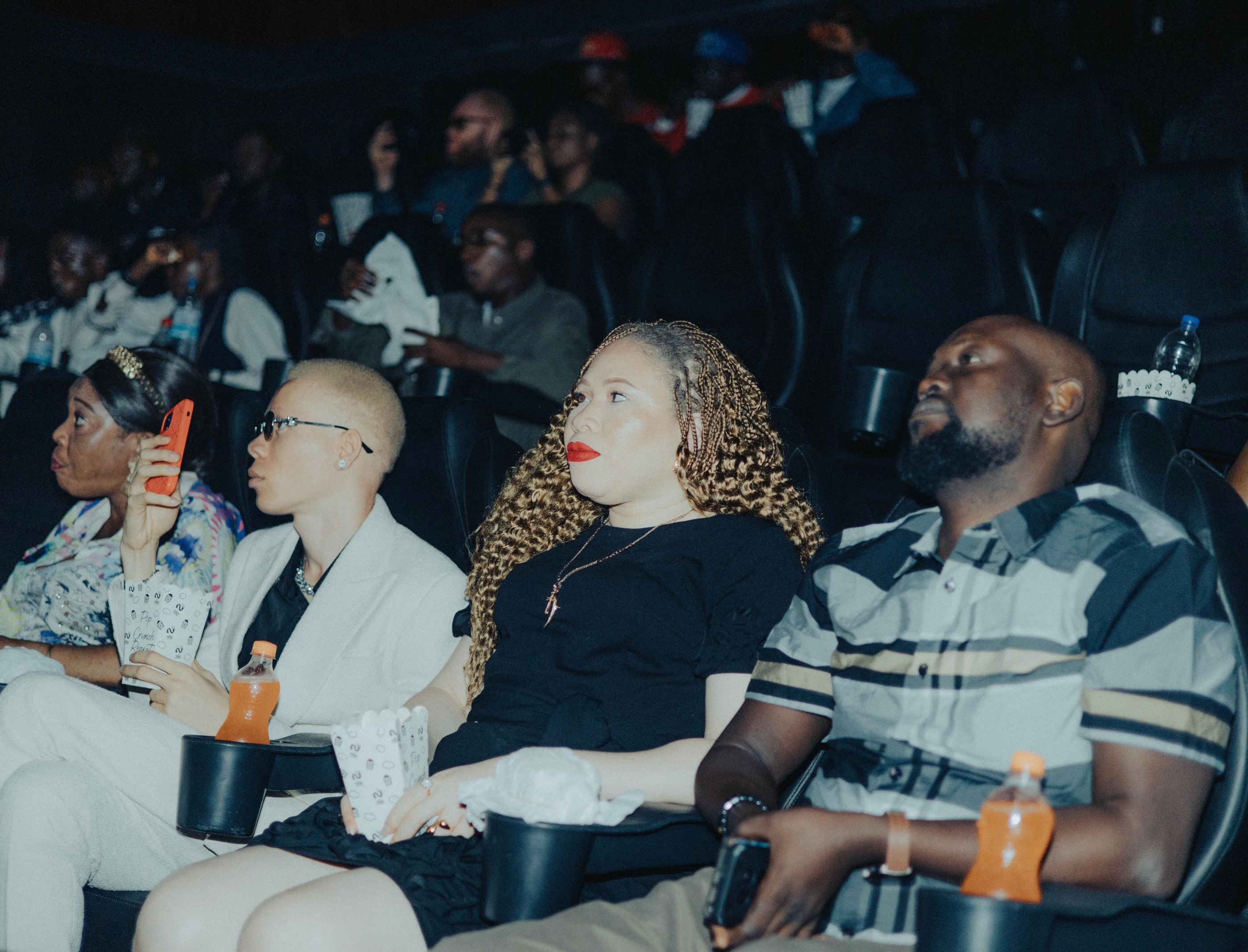
Source: Prosper Light and OGWA Studios
The Stories OGWA Chose to Tell First
OGWA's early slate includes The Sun's Glory and A Rainbow for Christmas, films built around people Light says are routinely left out of mainstream African cinema. He frames it as a response to how narrow the commercial story template has become: comedy, romance, and little else, when the continent's actual range of experience, religion, identity and everything beyond it, goes largely untouched because it isn't assumed to have commercial value. OGWA's bet is that an audience exists for those stories anyway. "There are some certain people that would watch our films, and they would feel seen," Light said. "They would feel like, oh, I'm not alone."
The Hardest Stretch
OGWA's difficulties started with its very first production. On The Sun's Glory, a booked shooting location turned out to be occupied by someone else with no warning, forcing a last-minute scramble for a replacement. A school that had approved a scene cancelled on shoot day over mock exams, after the cast and crew were already on set. The low point came during the shoot for Aladi, when camera equipment arrived late and the production had to be postponed. By the time filming resumed, the lead actor was no longer available, forcing a full recast and the loss of every scene already shot. Self-funding added its own pressure throughout, with financial constraints shaping decisions at every stage.
Light said the lesson from all of it was less about avoiding disaster than planning for it. OGWA now prepares for productions with deliberate backup plans built in, treating setbacks as something to expect rather than something that signals failure.
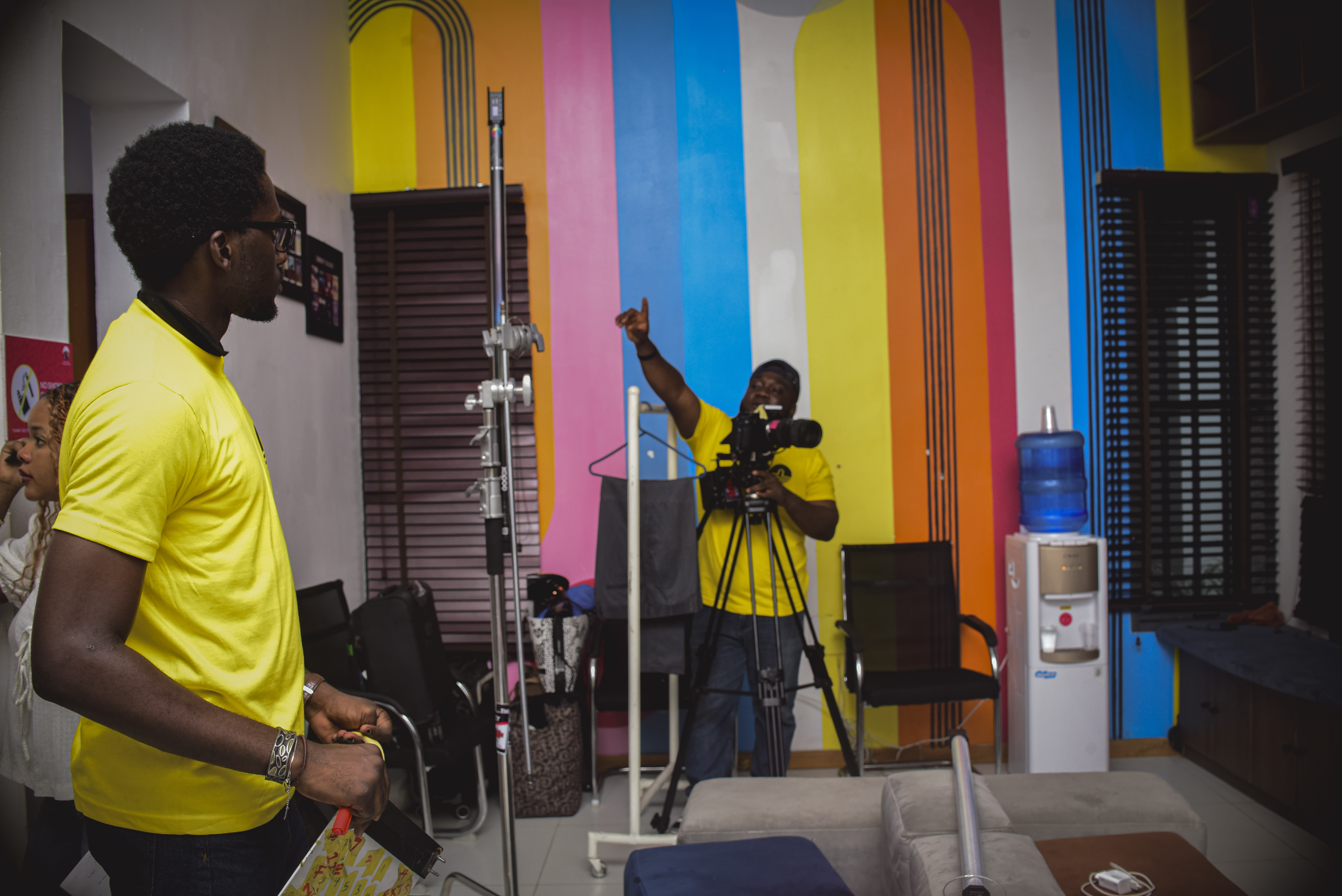
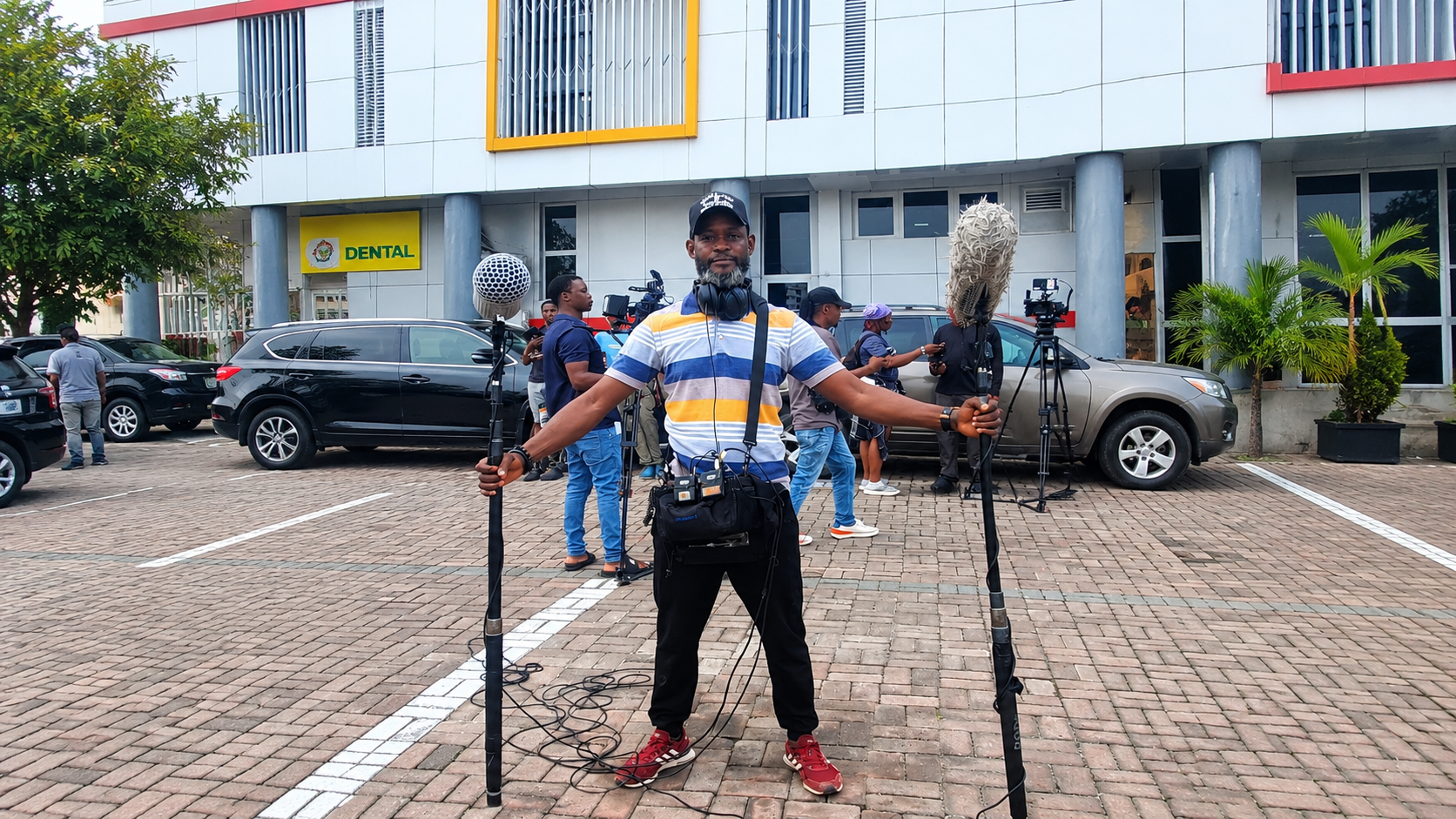
OGWA Studios Crew on Set. Source: Prosper Light and OGWA Studios
The Insiders Community
OGWA's community, which it calls its Insiders, has grown past 200 registered members made up of event attendees, fans of the studio's films and campaigns, and fellows from two completed editions of the Audacity to Be Seen masterclass. The community's role goes beyond attendance. When OGWA has paid casting calls or crew positions open on a real production, the Insiders hear about it first, before the opportunity goes public, giving the studio's own community first access to paid work.
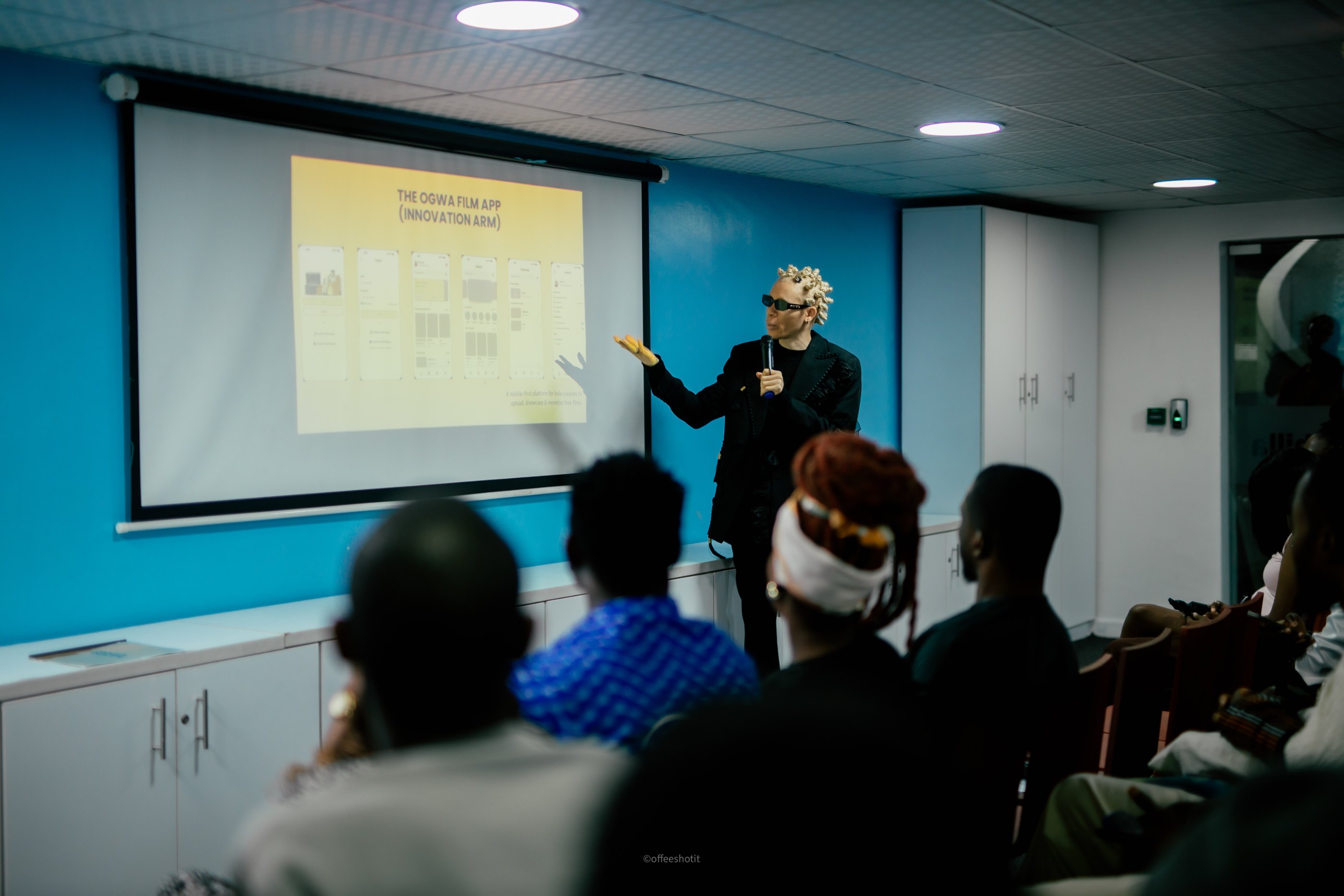
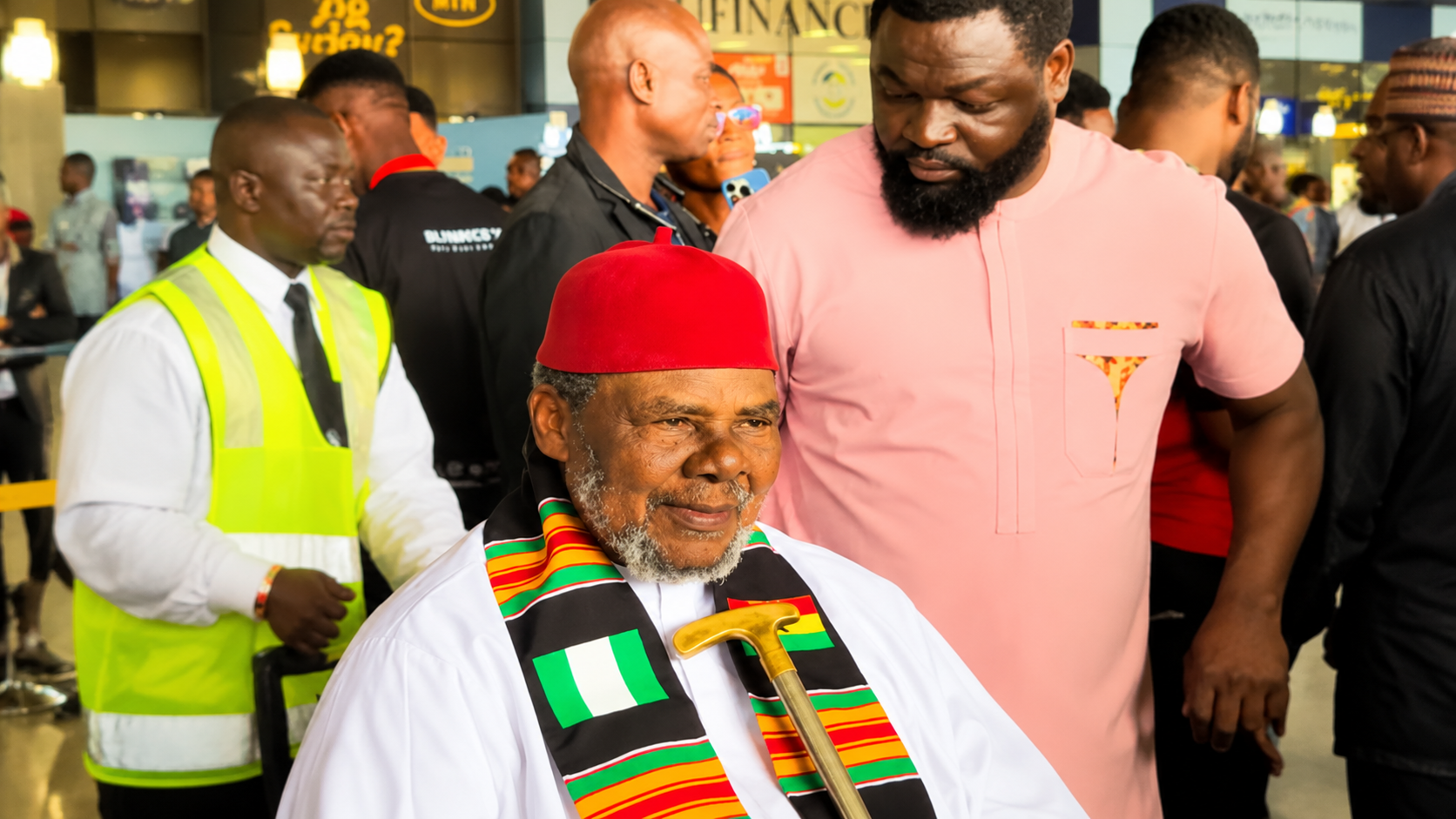
Prosper Light Presenting the OGWA Film App. Source: Prosper Light and OGWA Studios
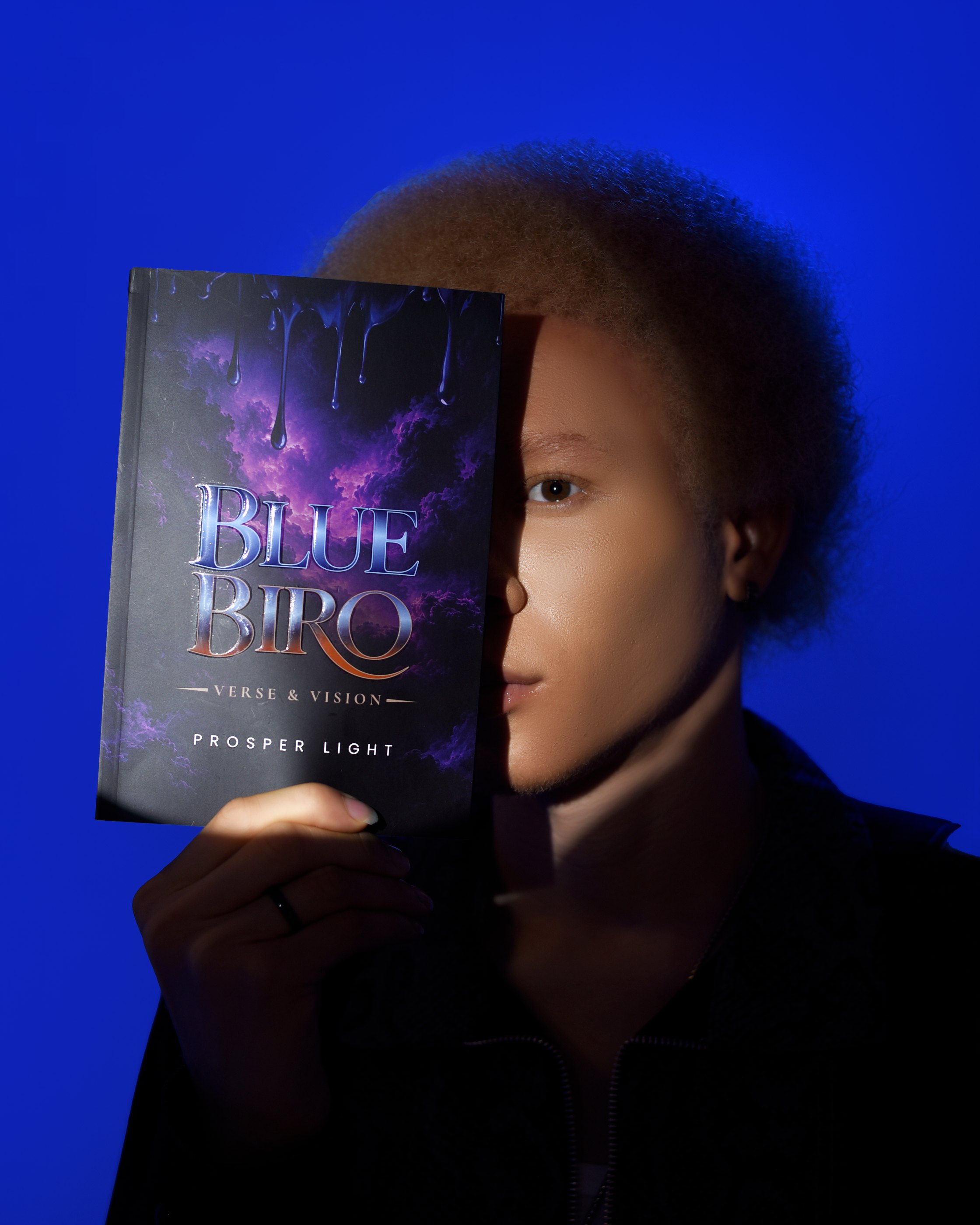
Why Blue Biro, Why Now
OGWA launched its publishing arm, Blue Biro, with Light's own book as its first release. He said the ambition to publish had existed inside the studio for a long time, but he expected the arm's first project to be an OGWA magazine rather than a book. The studio's storytelling voice, which Light describes as raw and unpolished where the story calls for it, is central to why Blue Biro exists at all: a platform built specifically for the kind of stories only OGWA tells the way it tells them. The long-term aim isn't limited to OGWA's own material. Light wants the imprint to eventually offer publishing services to other brands, founders and creatives, with his own book standing as the proof of work needed to get there.
Source: Prosper Light and OGWA Studios
What Self-Funding Actually Costs
Asked what the freedom of building without investors doesn't prepare you for, Light didn't point to money first. What it costs, he said, varies by what a founder is actually trying to achieve, whether that's income, impact or simply a body of work, and the return isn't guaranteed to arrive on any particular timeline, if it arrives at all. What he described as universal, regardless of the goal, is mental stress and fatigue. In his view, most founders underprepare for the possibility that things go wrong, building instead on excitement alone, which leaves them exposed when the excitement runs out. "You need to be ready for anything that comes," he said. "You need to be relentless."
What Year Two Has to Prove
Light frames OGWA's first year as proof the studio could exist at all. Year two, he said, is about proving it can last. Central to that shift is the studio's partnership with the Women Advocates Research and Documentation Centre, for whom OGWA produced a documentary on preventable deaths from unsafe abortion, a project Light points to as evidence the studio has earned the trust needed to handle sensitive subjects responsibly. "One of the things I'm most grateful for is our partnership with WARDC," he said. Going forward, OGWA wants to move beyond self-initiated projects toward brand and NGO partnerships built around other people's stories, positioning itself, in Light's words, "not just as an emerging creative studio, but one that is working, one that is trusted." The Audacity to Be Seen masterclass and the studio's creatives' games night are both confirmed to return as annual fixtures in the year ahead.
Frequently Asked Questions
Who Is Prosper Light?
He is a Nigerian filmmaker, writer and the founder of OGWA Studios, an independent production house built without outside investment.
What Does OGWA Stand For?
Original Gripping Works of Art. The studio's guiding phrase, OGWA bụ ụlọ, means Ogwa is home.
What Is Blue Biro?
Blue Biro is OGWA Studios' newly launched publishing arm, debuting with a book written by Prosper Light.
- OGWA Studios
- Prosper Light
- Blue Biro
- Nollywood
- independent filmmaking
- founder interview
- self-funded studio
- Audacity to Be Seen
- WARDC
Tip: highlight any line in the story to turn that line into a share card.
Frequently asked
- What is “Prosper Light on Building OGWA Studios From Nothing, and Why Year Two Means Playing a Different Game” about?
- A year ago, Prosper Light started OGWA Studios with no trust fund, no investor and no co-founder. Twelve months, four short films, a documentary and 47 brand partnerships later, he tells PINCHED what the first year… A year ago, Prosper Light started OGWA Studios with no trust fund, no investor and…
- Who covers film on PINCHED?
- Kenneth Onyebuchi reports this piece for the PINCHED film desk.
- Where can I read “Prosper Light on Building OGWA Studios From Nothing, and Why Year Two Means Playing a Different Game”?
- Read it in full at https://staypinched.site/read/prosper-light-ogwa-studios-year-two-interview.