Travel Storytelling That Actually Pays
The photograph is free. The route, the timing, the cost and the contact are what people will pay for.
Choose your narrator
In short
Travel audiences pay for information they cannot easily get: exact routes, real costs, best timing, permit requirements and a trusted local contact. Scenic footage builds the audience; the practical detail is the product.
- Free layer:
- Scenery and atmosphere — abundant and unmonetisable on its own
- Paid layer:
- Routes, costs, seasons, permits and vetted local contacts
- Repeat value:
- Guides that stay accurate earn long after the trip ends
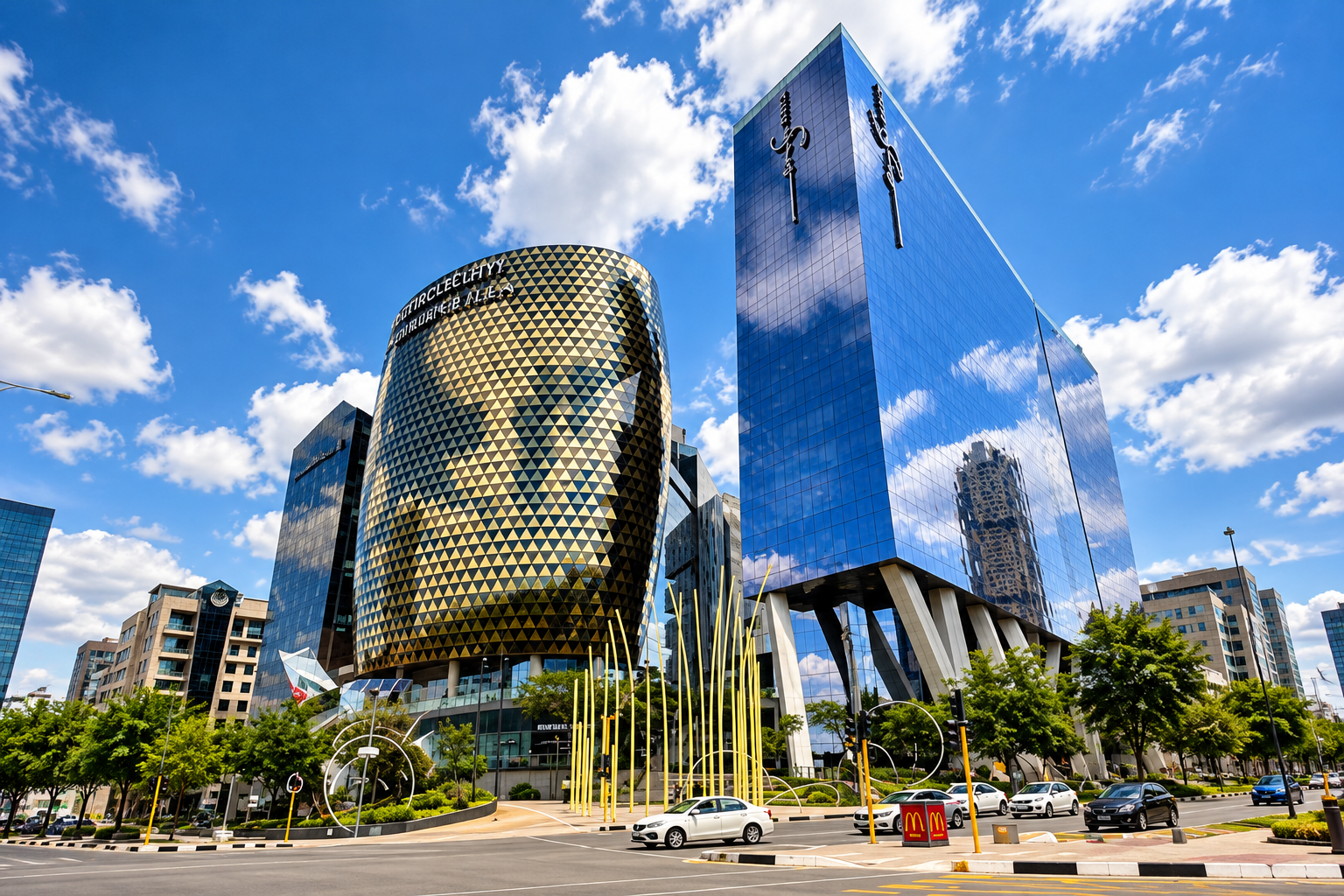
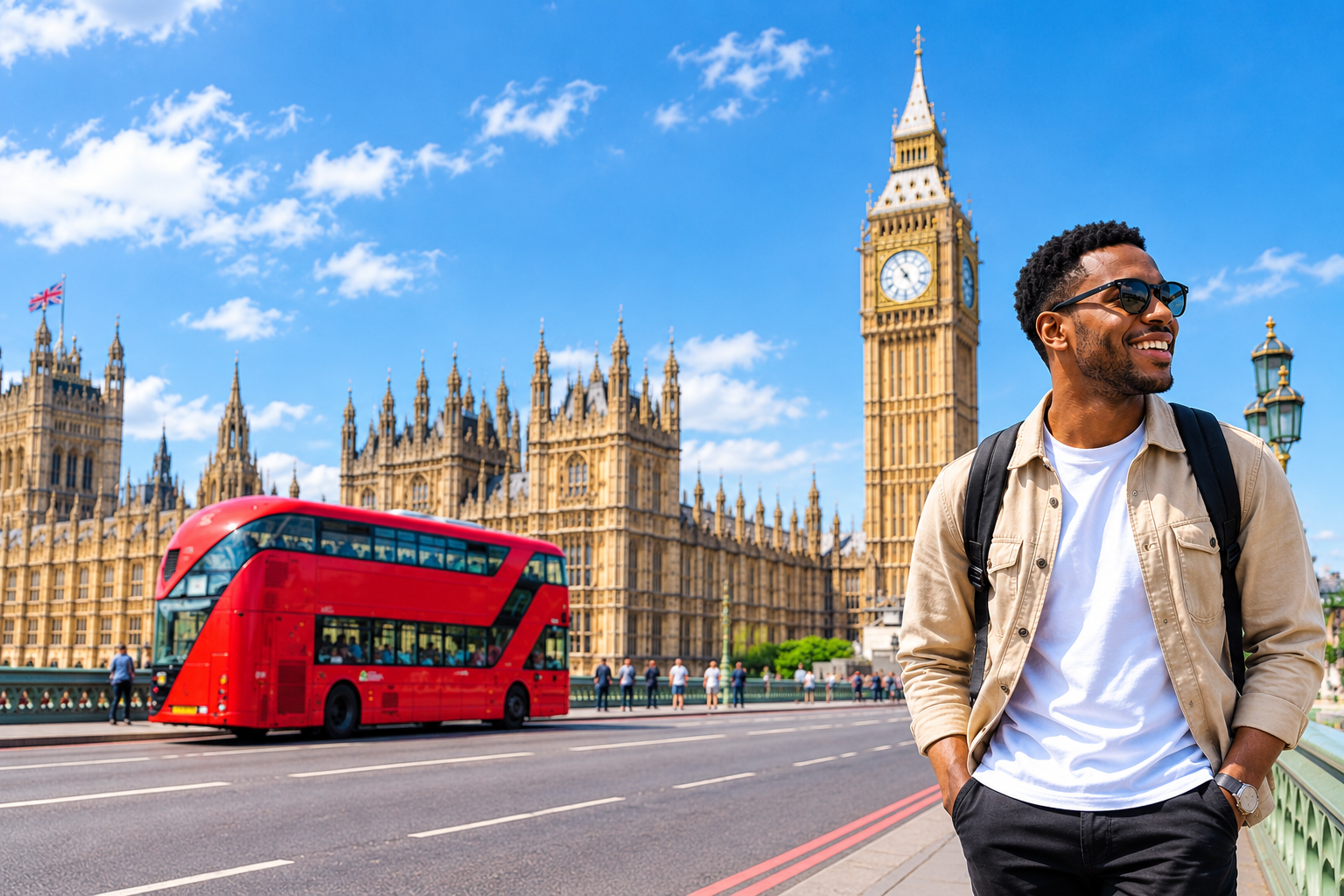
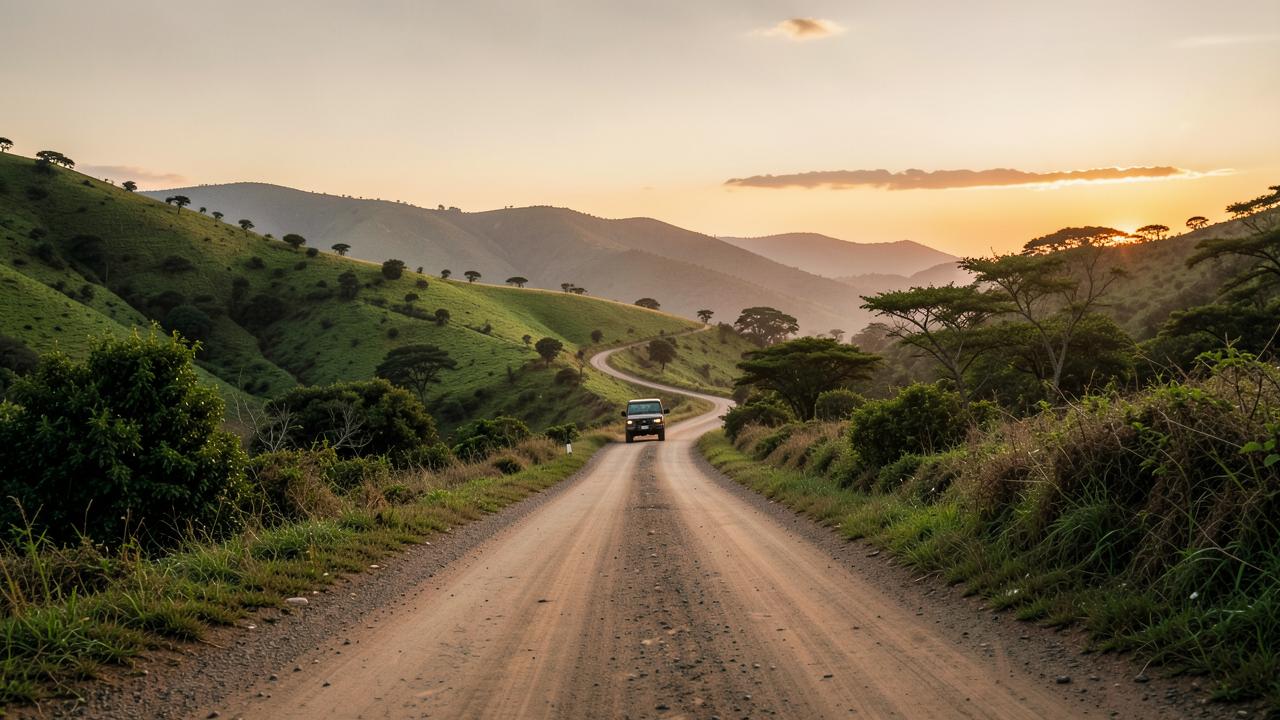
There is no shortage of beautiful footage of Africa. Drone shots of the dunes, the falls, the coastline, the highlands — the supply is effectively infinite and the price has fallen to zero. Anyone building an income on scenery alone is competing with the whole internet.
The scarce thing is detail
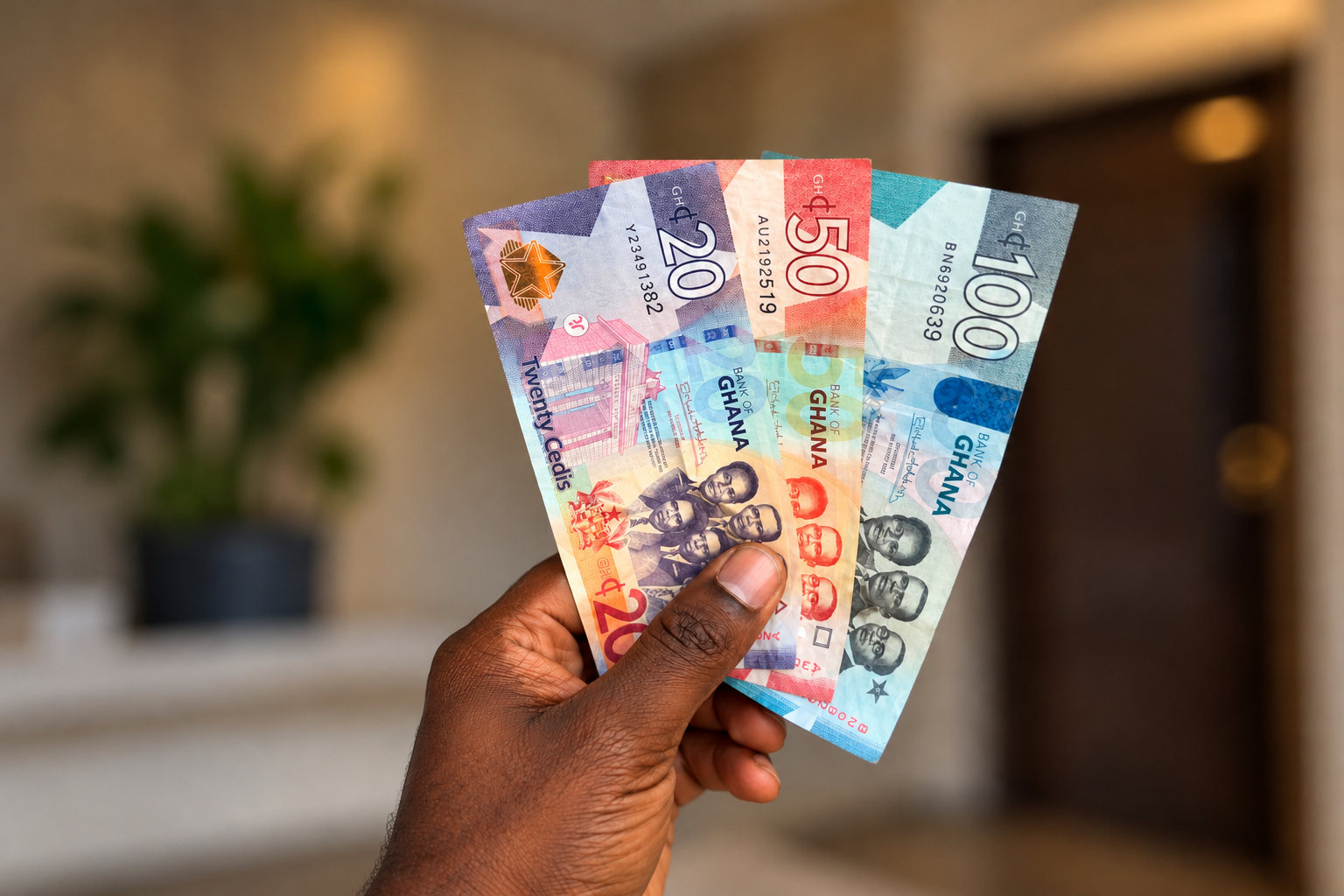
What is genuinely hard to find is the practical layer. How much the trip actually cost, in full, including the parts nobody mentions. Which month is right and which month ruins it. Whether the road is passable without a four-wheel drive. What permit is required, from which office, and how long it takes. Who to call on arrival and who to avoid.
That information takes real time to gather and it is the reason a reader will pay.
Structure the two layers deliberately
The film, the photographs and the atmosphere are the invitation, and they should be free and everywhere. The itinerary, the costings and the contacts are the product. Splitting them is not a paywall trick — it reflects which part cost the maker something to produce.
Accuracy is the whole asset
A travel guide that is right earns for years. A guide that is out of date by one season destroys the trust that made it saleable. The creators doing this well revisit and revise, mark clearly when a price was checked, and say plainly when they have not been back.
The local operator question
Recommending a guide, a driver or a lodge is the most valuable and most dangerous thing a travel creator does. It should be earned by having used them, disclosed if there is any commission, and withdrawn the moment the service slips. Handled honestly, this single function is worth more to an audience than any amount of footage.
- african travel
- places to visit in africa
- creator economy
- content monetization
Tip: highlight any line in the story to turn that line into a share card.
Frequently asked
- How do travel creators make money in Africa?
- By selling the practical layer — detailed itineraries, cost breakdowns, permit guidance and introductions to vetted local operators — alongside sponsored work and licensing of their footage.
- What information do African travel audiences actually want?
- What the trip costs in real terms, how to get there without a private vehicle, the right season, what permits or paperwork are needed, and who to trust on arrival.