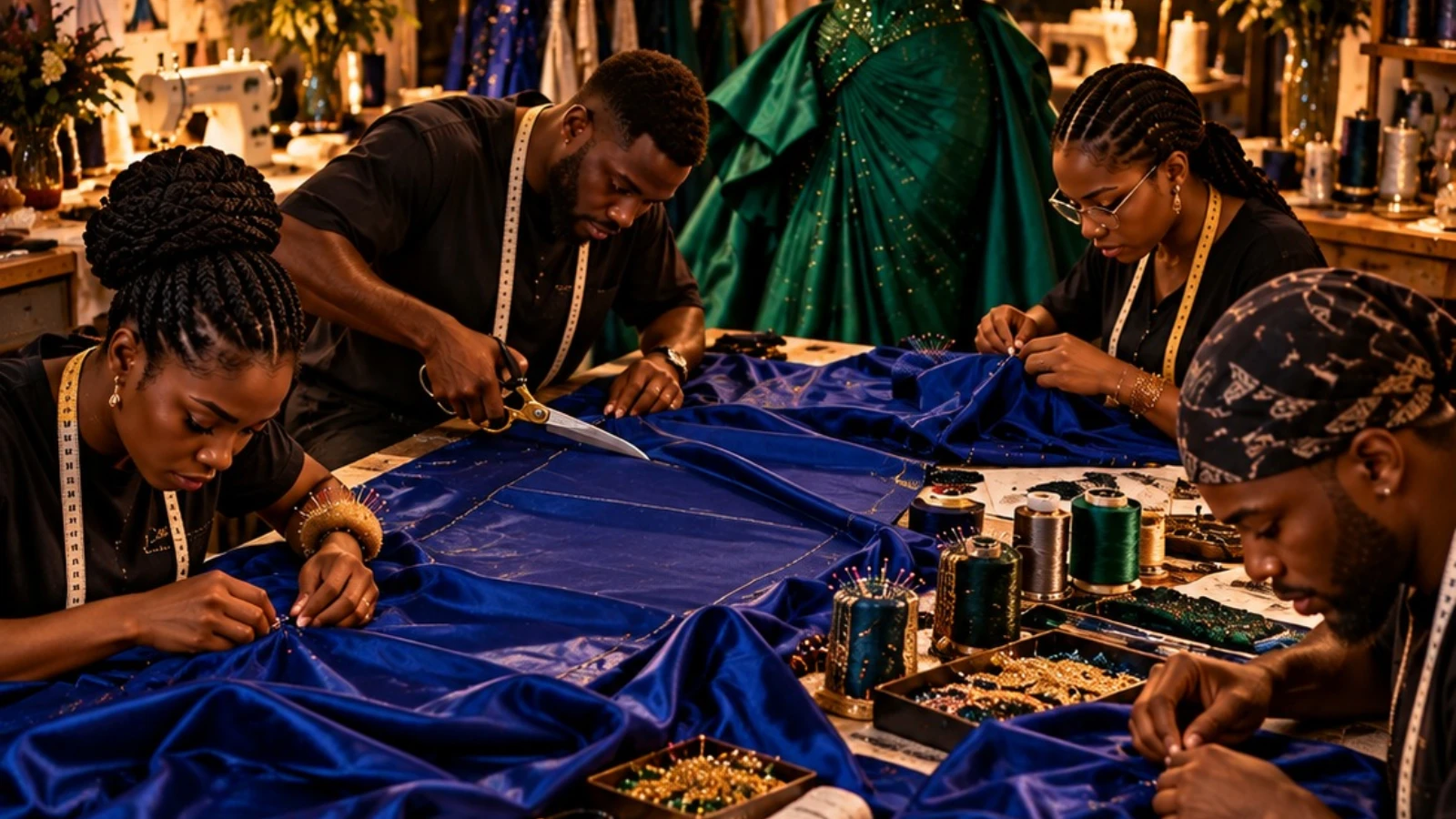
The Unseen Crew: The Film Roles That Make Production Possible
Behind every film is a network of skilled professionals whose work rarely gets noticed on screen. From production coordinators and script supervisors to location managers, sound teams and continuity specialists, these unseen contributors are the reason a complex production can move from script to screen.
Choose your narrator
In short
Behind every film is a network of skilled professionals whose work rarely gets noticed on screen. From production coordinators and script supervisors to location managers, sound teams and continuity specialists, these unseen contributors are the reason a complex production can…
- Desk:
- film
- Format:
- article
- Author:
When a film ends, most people don't stay for the credits.
They wait for the first few names they recognize, maybe the actors, the director or the producer, and then they leave.
The rest of the names disappear as quickly as they appear.
But behind every scene that makes it onto a screen is a group of people whose work is so invisible that audiences often don't realize it exists.

Take the script supervisor.
Their job is to make sure the film remembers what happened.
If an actor holds a cup in the right hand during one take, that detail needs to remain consistent when the scene is filmed again hours later. If a character's shirt is rolled up in one shot, it cannot suddenly be perfectly tucked in during the next.
It sounds small.
Until it isn't.
"Continuity is one of those things people only notice when it's wrong," says a script supervisor who has worked on Nollywood productions. "You're basically the memory of the set."
The job requires constant attention.
You are watching performances, costumes, props, movement, dialogue and the order in which scenes are being shot.
And sometimes, the smallest mistake can create a problem that survives all the way into the final edit.
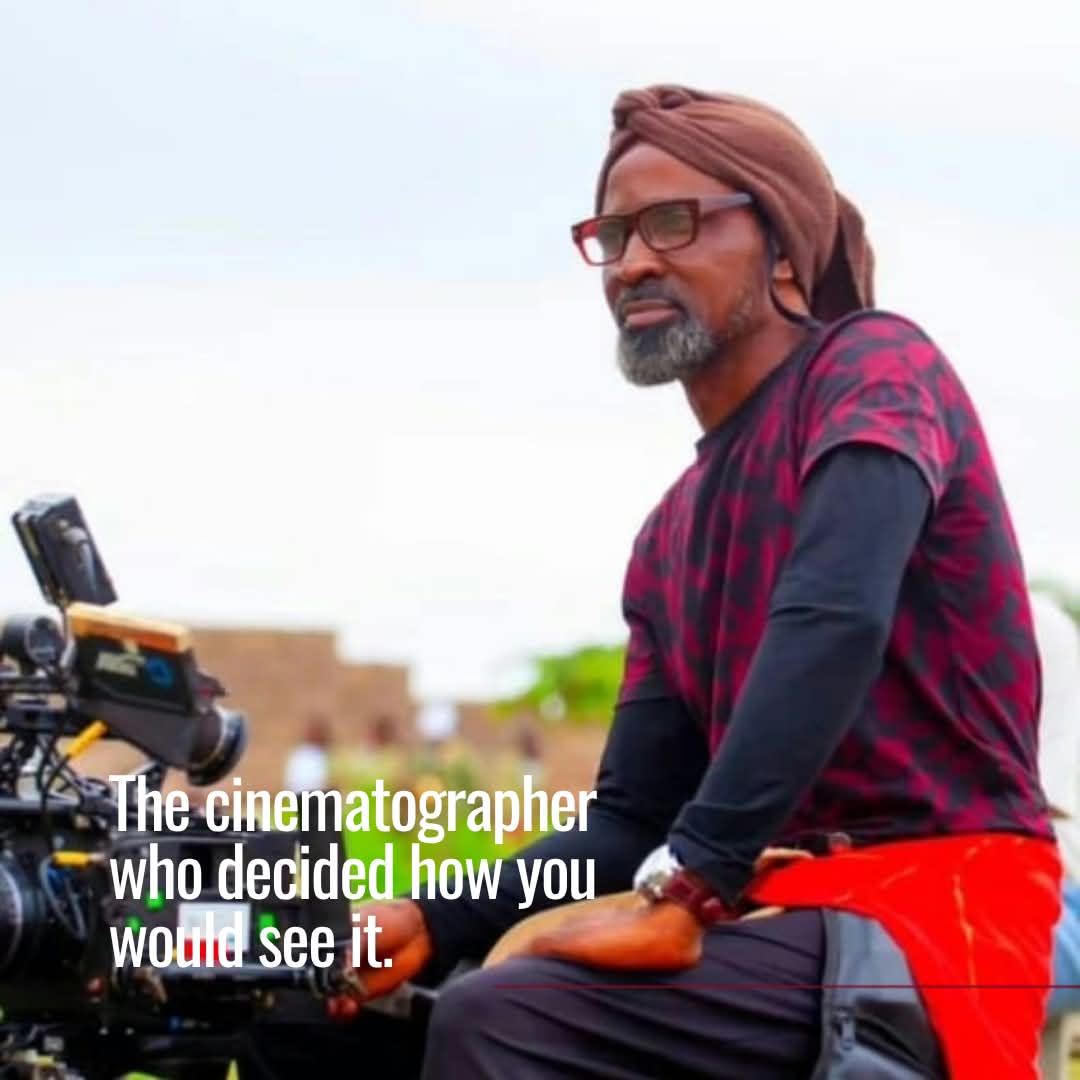
Then there is the cinematographer.
Most people know that the cinematographer works with the camera, but the job goes far beyond simply deciding where to point it.
The cinematographer helps determine how the audience sees the story.
How close we are to a character.
What we notice first.
Whether a moment feels intimate or distant.
Whether a scene feels warm, cold, chaotic or still.
A wide shot can make a character look completely alone. A close-up can make a small expression feel enormous. The movement of the camera can change the entire energy of a scene.
Those choices are part of the storytelling.
"The camera is not just recording what is happening," says a cinematographer. "You're deciding how the audience experiences it."
Then there is the gaffer.
Lighting is one of the most powerful tools in filmmaking, but audiences rarely think about who is responsible for it.
A scene can feel warm, threatening, intimate or distant partly because of how it is lit.
"Lighting is storytelling," says a gaffer with more than a decade of experience. "You're deciding what the audience feels before anyone says anything."
The director of photography may shape the overall visual language, but the gaffer helps turn that vision into something physical.
Lights have to be positioned.
Power has to be managed.
Equipment has to be adjusted.
And everything has to happen within the practical limitations of the location.
Then there is the production designer, the person responsible for helping create the world the characters live in.
Before an actor walks into a room, someone has already decided what that room should communicate.
The furniture.
The colours.
The walls.
The objects sitting on a table.
The condition of the space.
Even the things sitting quietly in the background can tell you something about a character or the world they belong to.
"People think production design is just decorating," says a production designer. "But everything you put inside the frame is saying something."
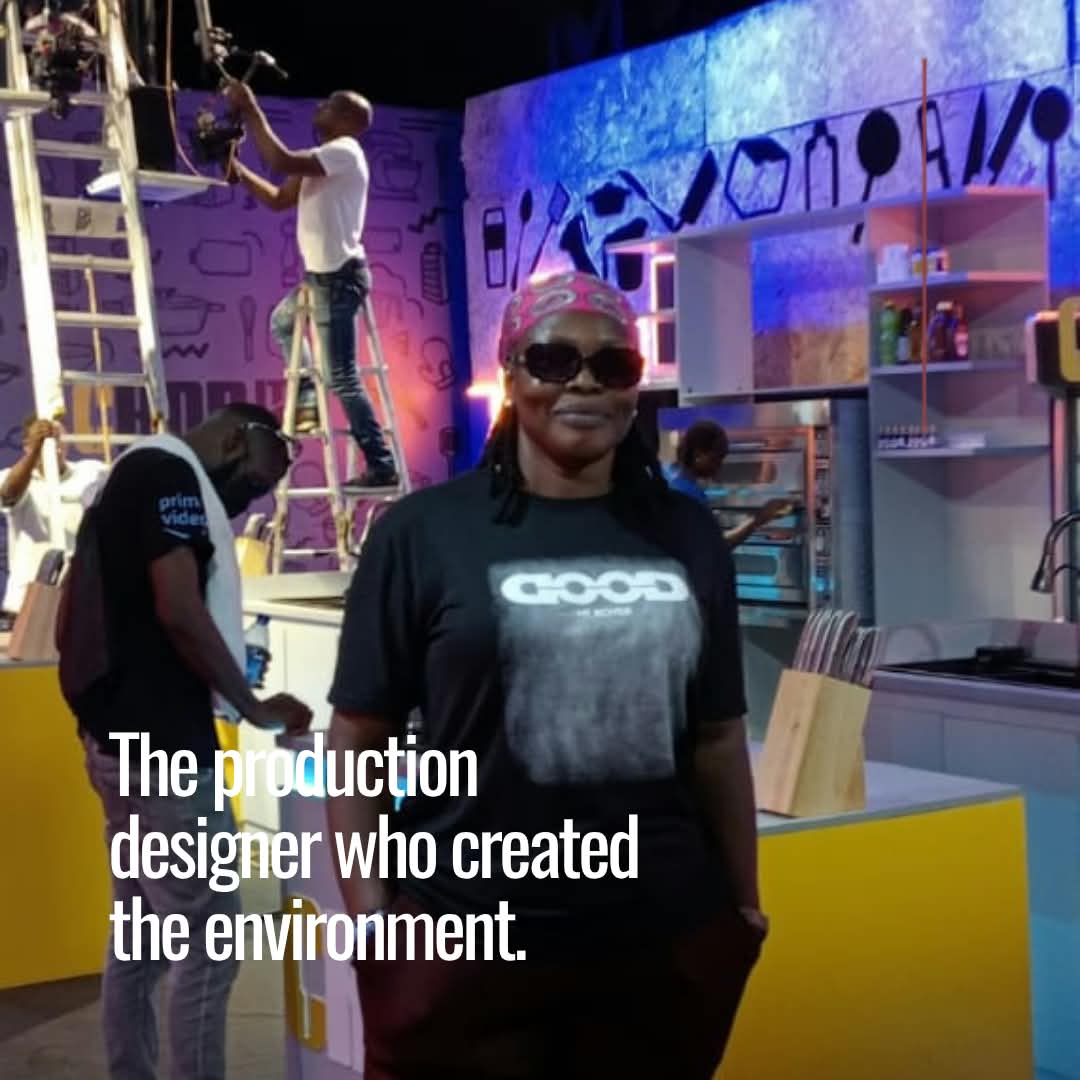
Production design is about creating the larger visual world of the film, while the art department helps turn that vision into something real.
Sets have to be built.
Props have to be sourced or created.
Walls may need to be painted.
Furniture may need to be changed.
An ordinary location may need to be transformed completely.
Sometimes, the place you're watching on screen was never really what it looked like.
It was built, altered or dressed specifically for the story.
And then there are the special effects teams.
Their work is responsible for the things that need to happen physically in front of the camera.
Smoke.
Rain.
Breakaway objects.
Practical blood effects.
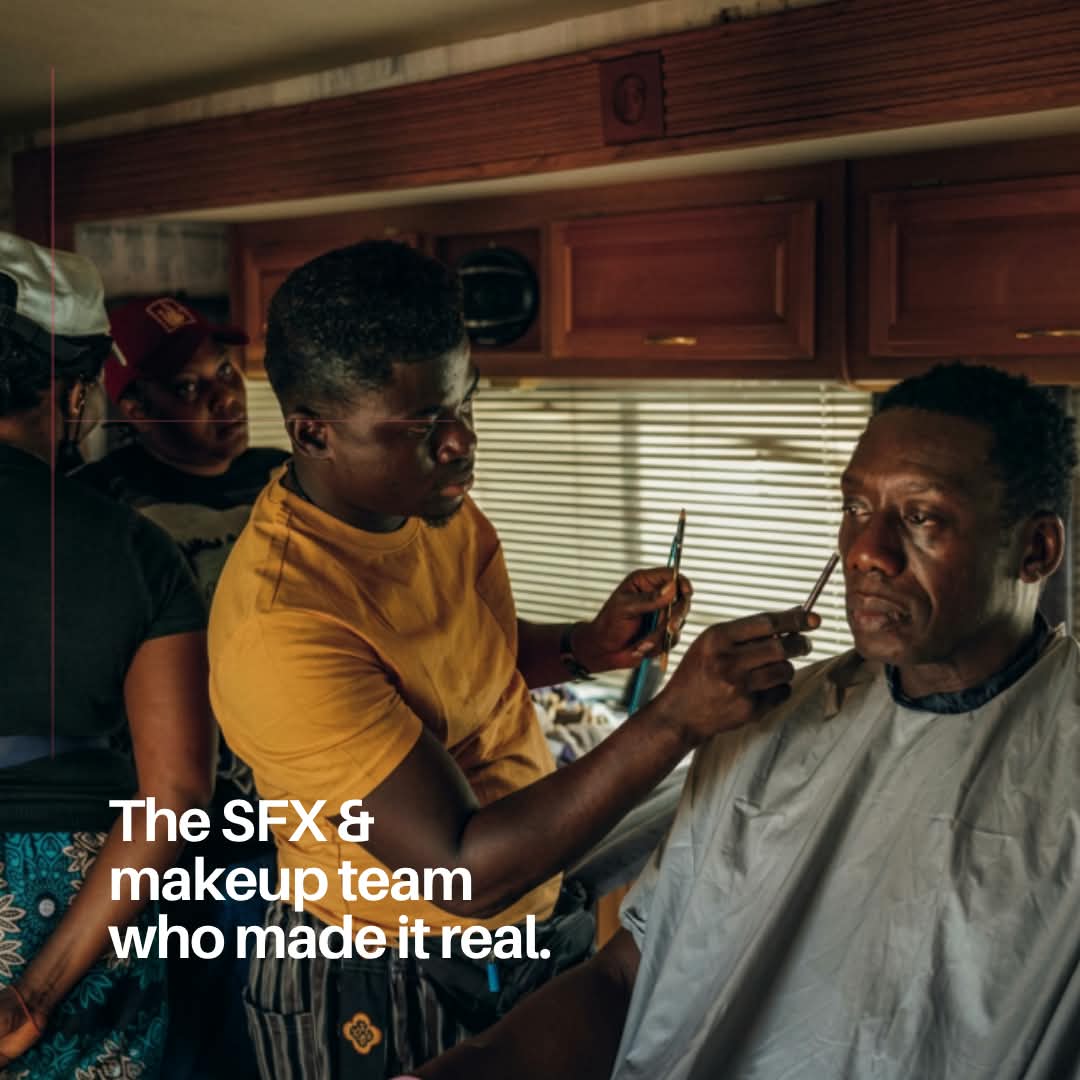
Controlled explosions.
The kinds of physical effects that make a scene feel real because, in that moment, they actually are happening.
"You don't want the audience thinking about the effect," says an SFX technician. "You want them to believe what they're seeing."
Then there are location managers.
Their work starts long before the camera does.
They find locations. They negotiate access. They speak to property owners and communities. They handle permissions. They figure out logistics.
And in Nigeria, where filming can involve complicated negotiations around access and public spaces, the job often requires patience and improvisation.
"Everybody sees the final location," says a Lagos-based location manager. "They don't see the weeks of conversations that happened before the crew arrived."
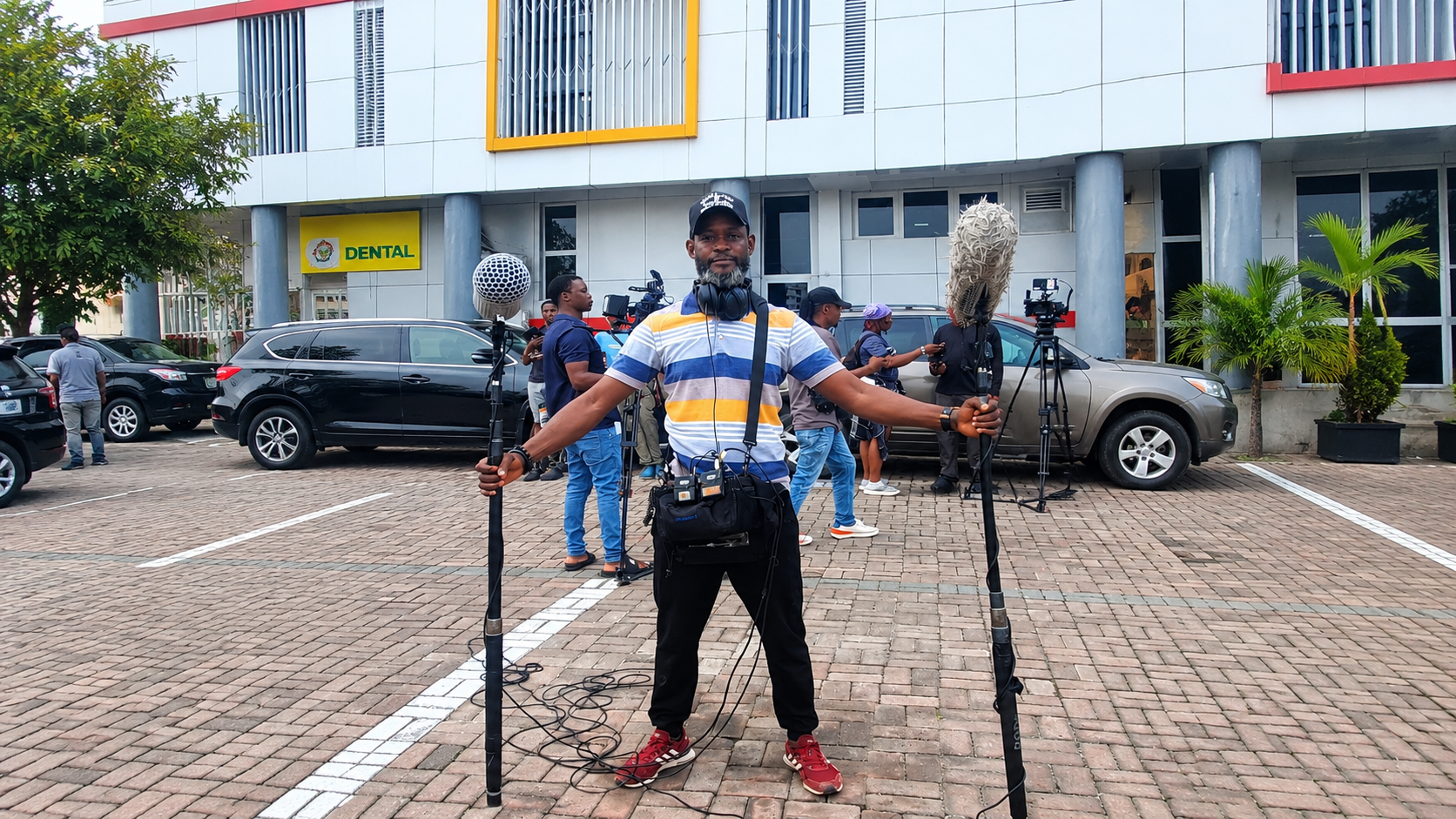
A sound recordist faces another kind of battle.
A film set is rarely quiet.
There are generators.
Cars.
People talking.
Construction.
Traffic.
Crowds gathering because they want to see what is being filmed.
And somehow, the dialogue still needs to sound clean.

"Every clear line you hear in a film was probably fought for," says a sound recordist. "There are so many things happening around a production that you're constantly trying to get the sound you need."
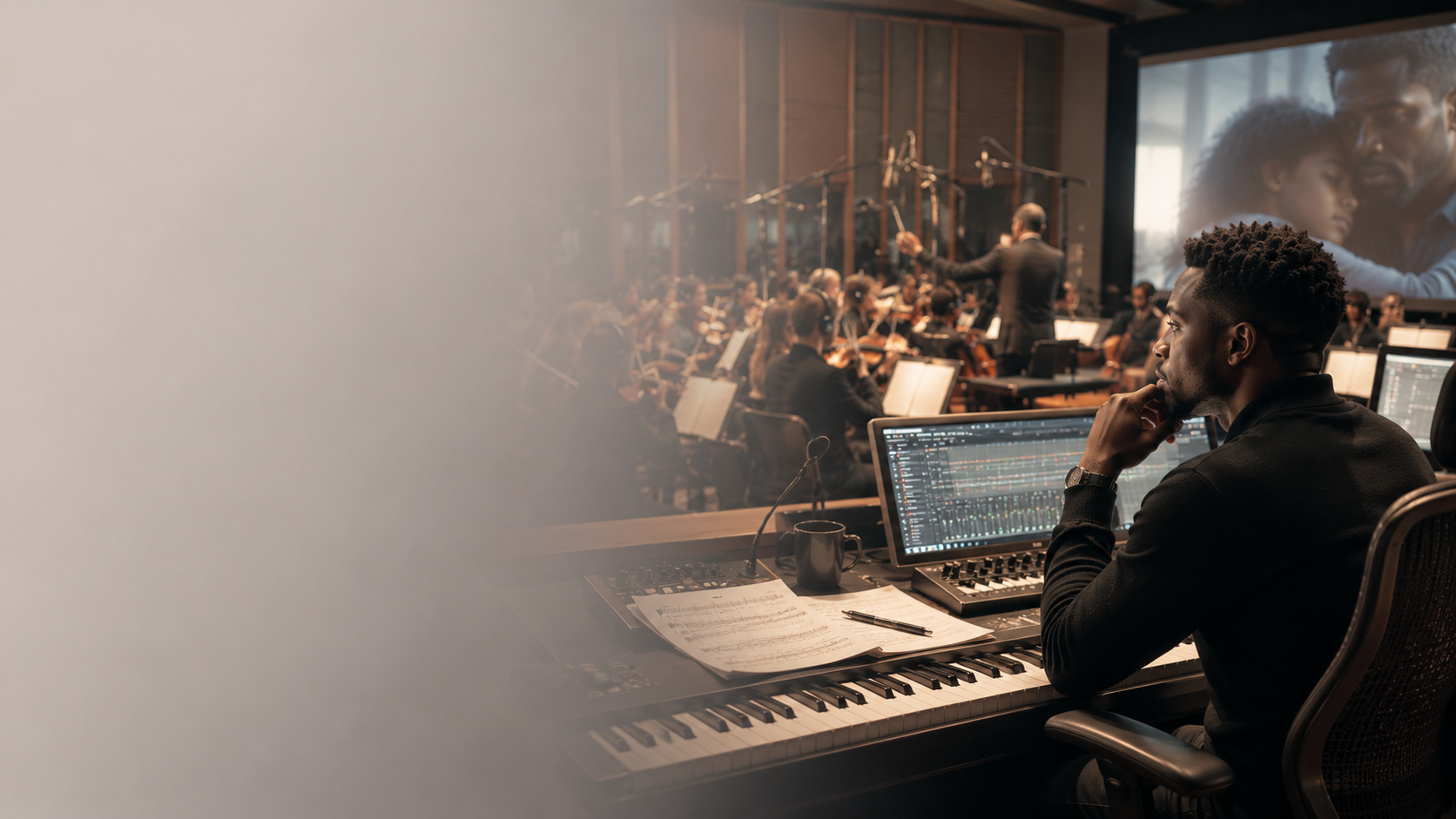
Then there are people who work almost entirely after filming ends.
Foley artists recreate sounds that were not captured properly during production.
Footsteps.
Doors closing.
Clothes moving.
Objects being handled.
Sometimes an entire soundscape is created in a studio after the actors have already left the set.
That sound of someone walking across a room may not actually be the sound of the actor walking across that room.
It may have been recreated later by someone whose job is to make the audience believe it happened.
Colorists work on another layer entirely.
They help determine how the finished film looks.
Whether an image feels warm or cold.
Bright or muted.
Natural or stylized.
It can completely change the emotional quality of a scene.
Yet none of these roles necessarily become part of the public conversation around a film.
The audience remembers the actor's performance.
The director gets interviewed.
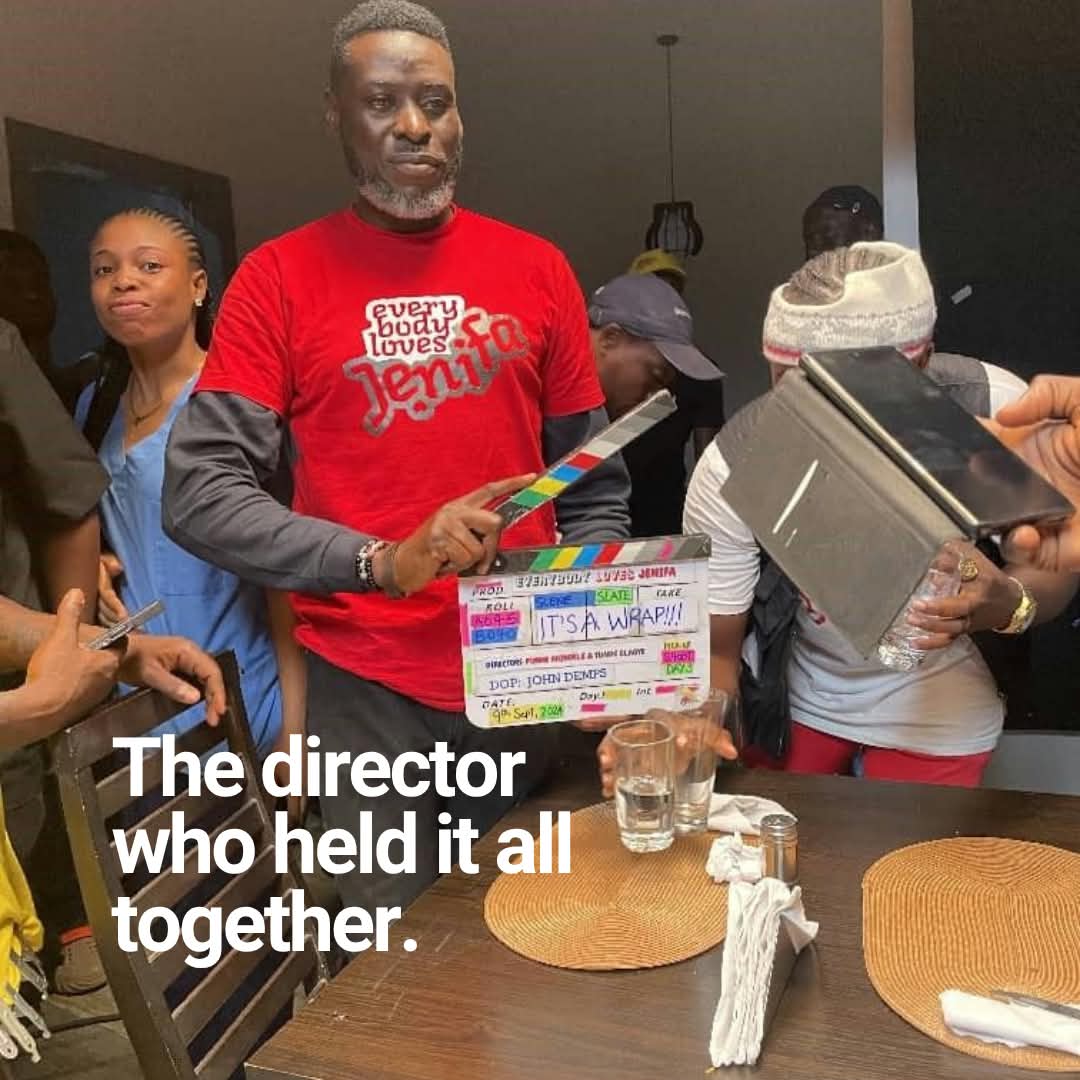
The producer talks about the project.
But the film itself depends on dozens of people whose work is rarely visible.
That invisibility is almost the point.
"If you notice my work, sometimes that means something went wrong," the gaffer says. "I want you to watch the scene and feel something without thinking about how we created it."
That may be the strange thing about filmmaking.
The best work often disappears.
You notice the story.
The emotion.
The performance.
The world on screen.
You don't notice the person who made sure the actor's cup was in the right hand.
The person who decided how much of that room you should see.
The person who built the room.
The person who lit it.
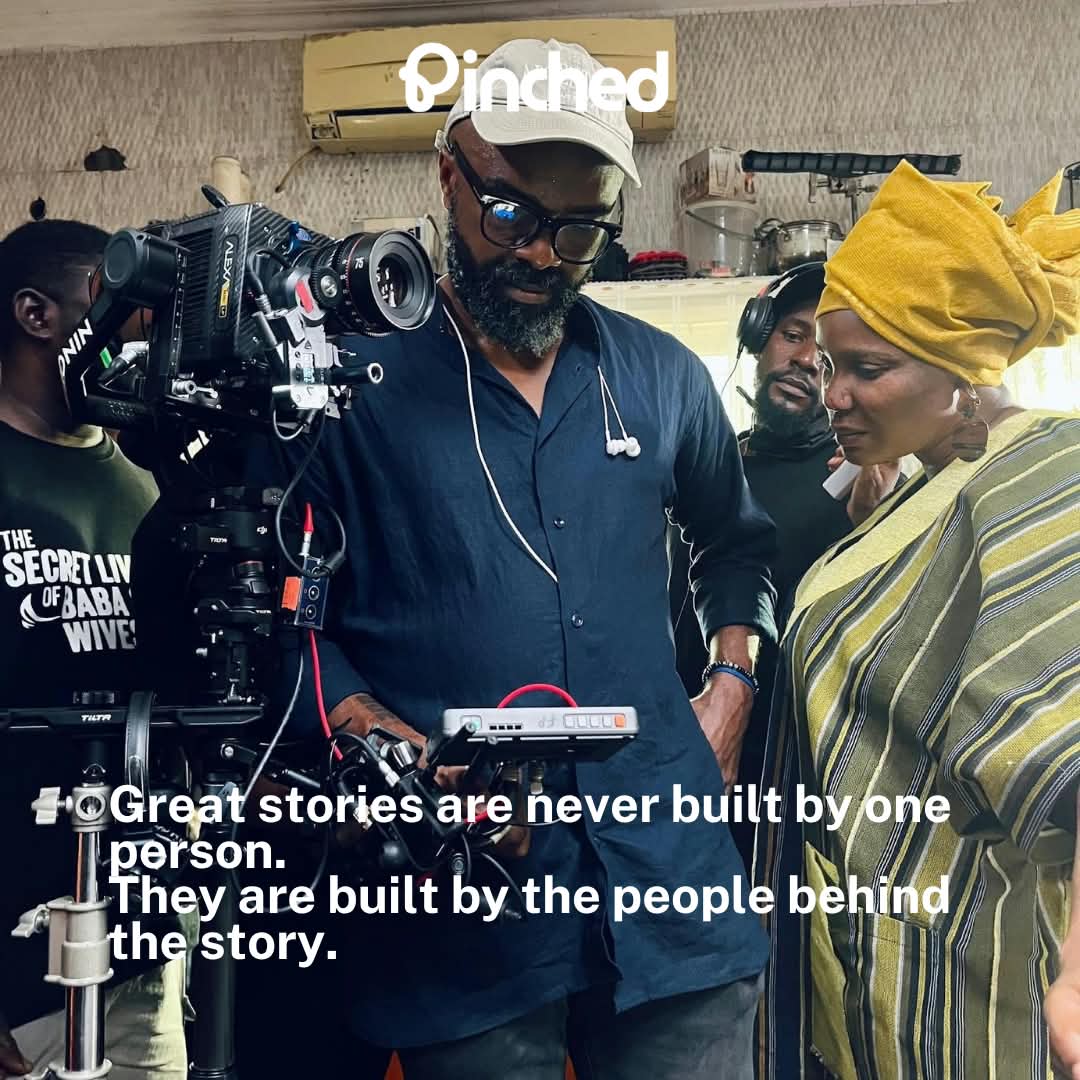
The person who created the sound.
The person who made the rain fall exactly when it needed to.
You don't notice the people who spent months making sure all of it could exist.
And maybe they don't need to be noticed every time.
But they deserve to be remembered.
Because behind every film we see is an entire crew of people we don't.
Tip: highlight any line in the story to turn that line into a share card.
Frequently asked
- What is “The Unseen Crew: The Film Roles That Make Production Possible” about?
- Behind every film is a network of skilled professionals whose work rarely gets noticed on screen. From production coordinators and script supervisors to location managers, sound teams and continuity specialists, these unseen contributors are the reason a complex production can move from script to…
- Who covers film on PINCHED?
- reports this piece for the PINCHED film desk.
- Where can I read “The Unseen Crew: The Film Roles That Make Production Possible”?
- Read it in full at https://staypinched.lovable.app/read/the-unseen-crew-the-film-roles-that-make-production-possible.