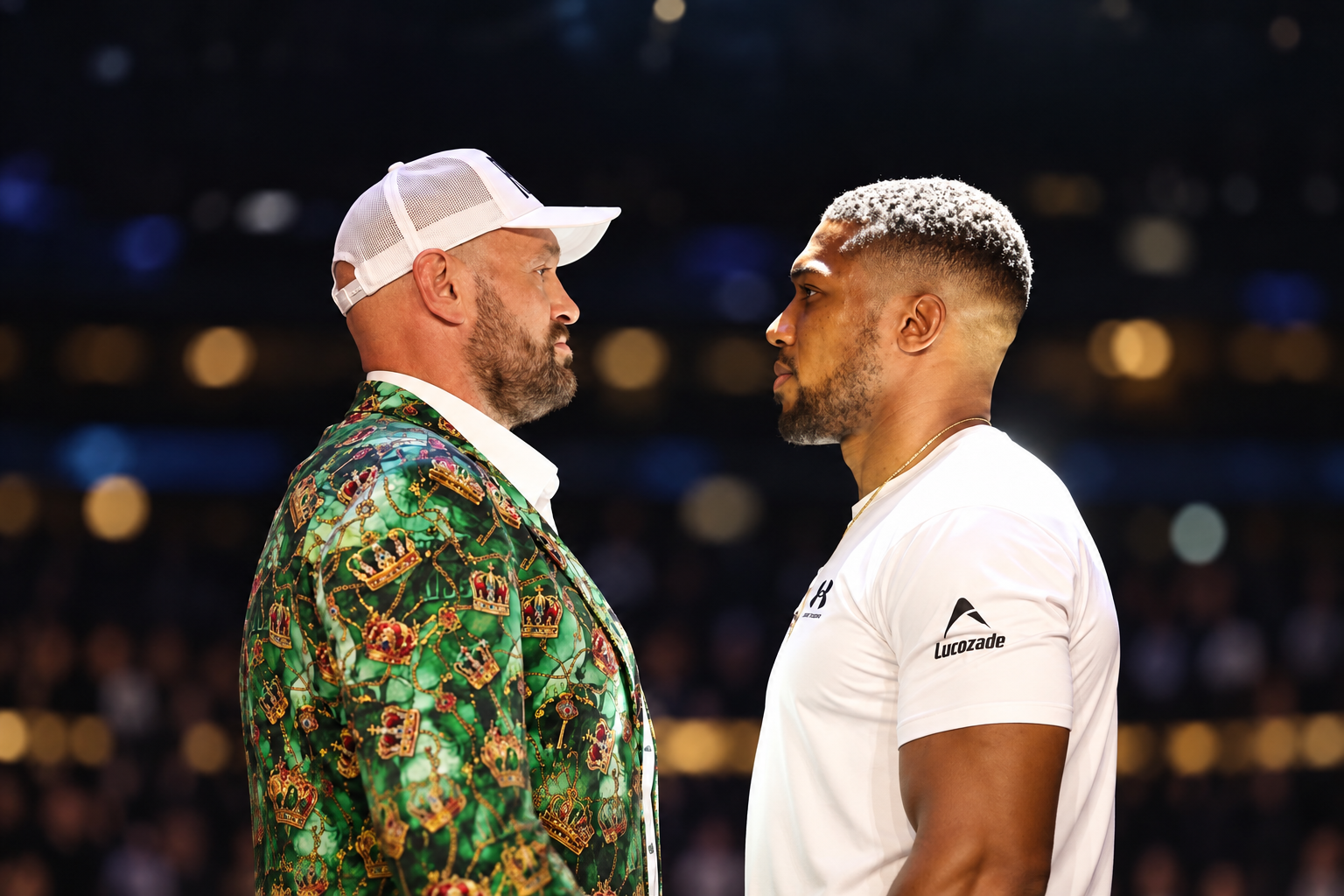
The Real Reason So Many Nigerian Athletes Switch Countries to Compete
Favour Ofili's move to Turkey reopened a decades-old question, why does Nigeria keep losing its best athletes to other flags?
Choose your narrator
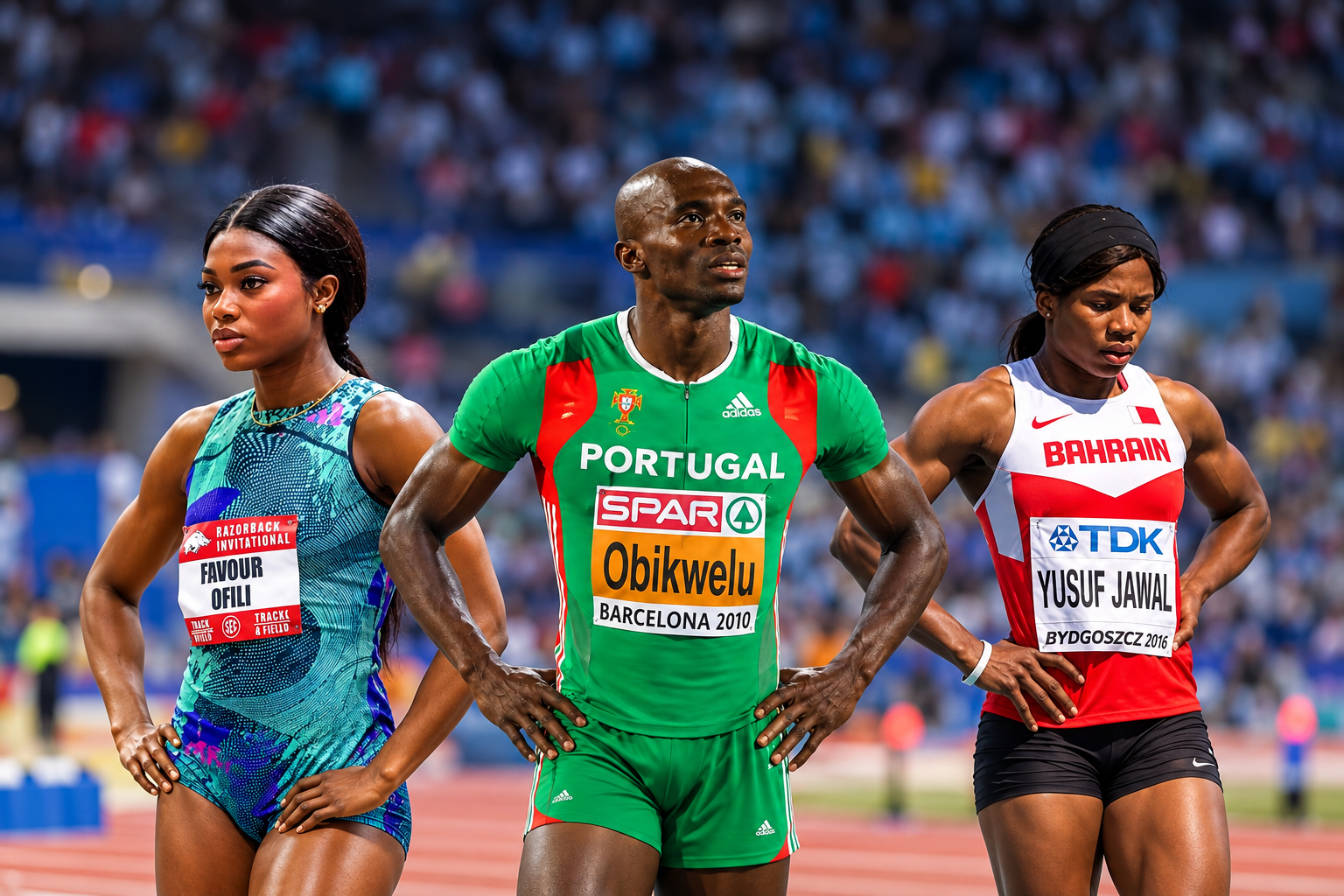
In short
Nigerian athletes switch to competing for other countries mainly due to chronic administrative failures by Nigerian sports federations, such as missed doping tests and late registrations, combined with lucrative financial incentives from wealthier federations like Turkey's.
- Desk:
- on the sport
- Format:
- article
- Author:
- Praise_writes
In 2025, one of Nigeria's brightest sprinting talents announced she was starting a "new chapter representing Türkiye."
Favour Ofili's decision to switch her national allegiance from Nigeria to Turkey wasn't a one-off shock. It was the latest entry in a pattern that has quietly followed Nigerian athletics for decades.
The bigger question isn't really why Ofili left.
It's why so many Nigerian athletes keep making the exact same decision, and what that says about the system they're all leaving behind.
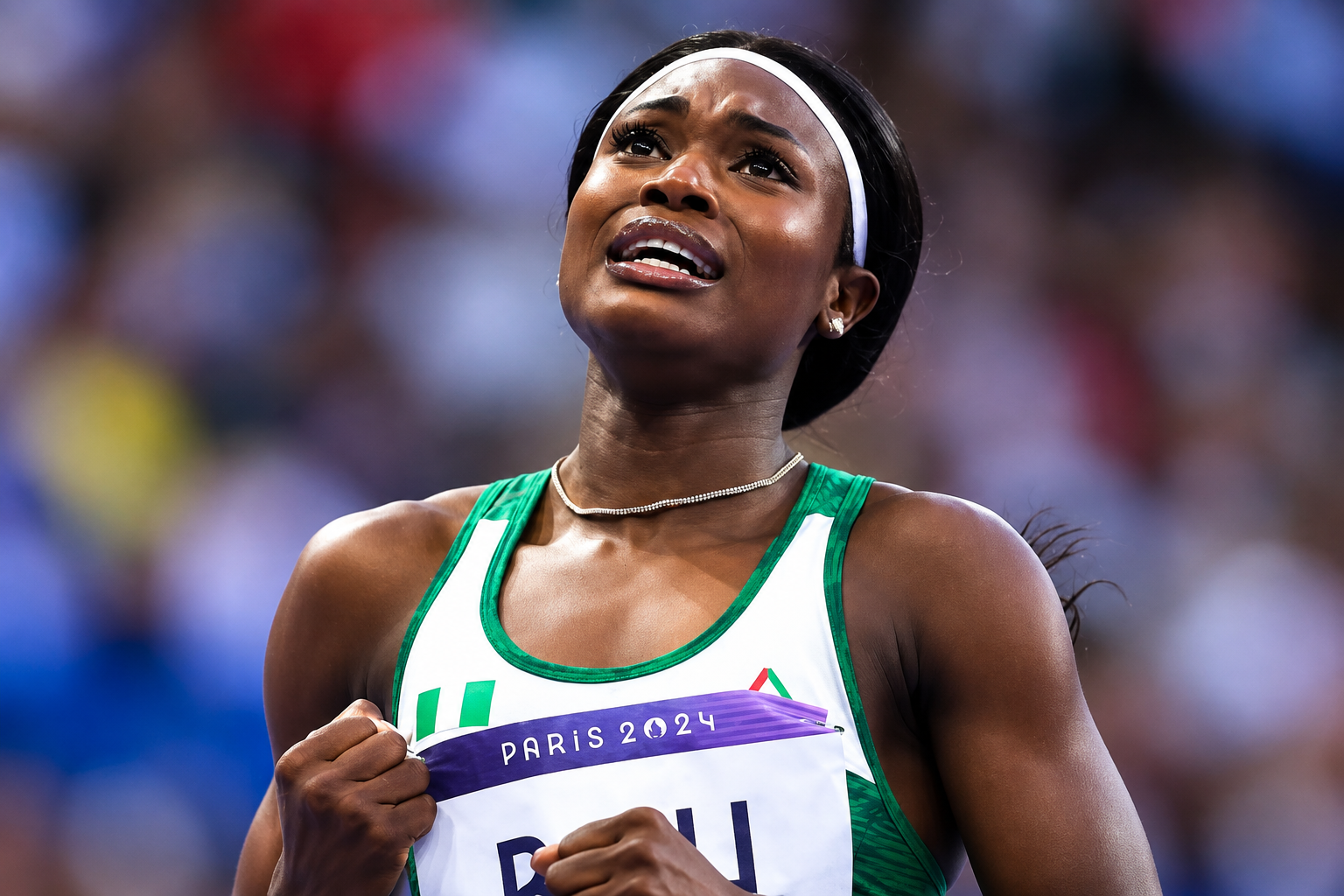
The Favour Ofili Case That Reopened This Conversation
Favour Ofili, a 100m and 200m sprinter who competed for LSU and represented Nigeria at the Paris 2024 Olympics, announced on Instagram that she was switching her sporting nationality to Turkey, effective May 31, 2025.
In her own statement, she pointed to years of frustration with the Athletics Federation of Nigeria (AFN) and the Nigeria Olympic Committee, saying administrative failures had already cost her two Olympic appearances. She missed the Tokyo 2020 Olympics entirely after the AFN failed to complete her mandatory pre-Games doping tests, one of 14 Nigerian athletes barred for the same reason.
Four years later, she was left out of the 100m event at the Paris 2024 Olympics because officials never registered her for it, despite her having met the qualifying standard.
AFN president Tonobok Okowa offered a very different explanation, telling ESPN that the switch was, in his words,
"all about money," adding that Ofili and her coach were "trying to make some money," and comparing her decision to Jamaican and Kenyan athletes making similar moves to Turkey.
It's Not Just Ofili: A Long History of Athletes Leaving
Ofili's move puts her alongside a growing list of Nigerian-born athletes who chose to compete for other countries after growing frustrated with conditions at home. Past examples reported alongside her story include:

Gloria Alozie — switched to represent Spain
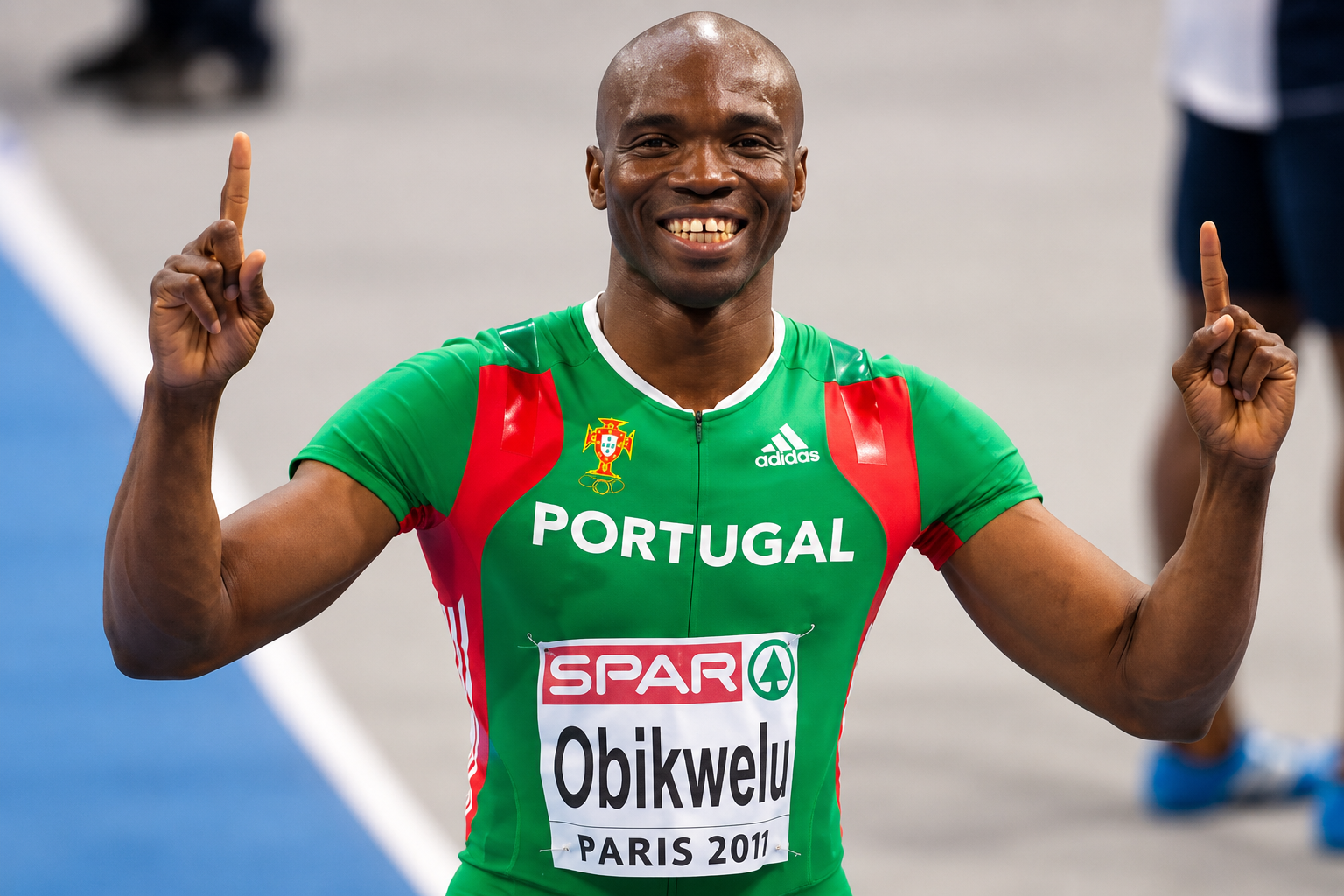
Francis Obikwelu — switched to represent Portugal, later winning an Olympic silver medal
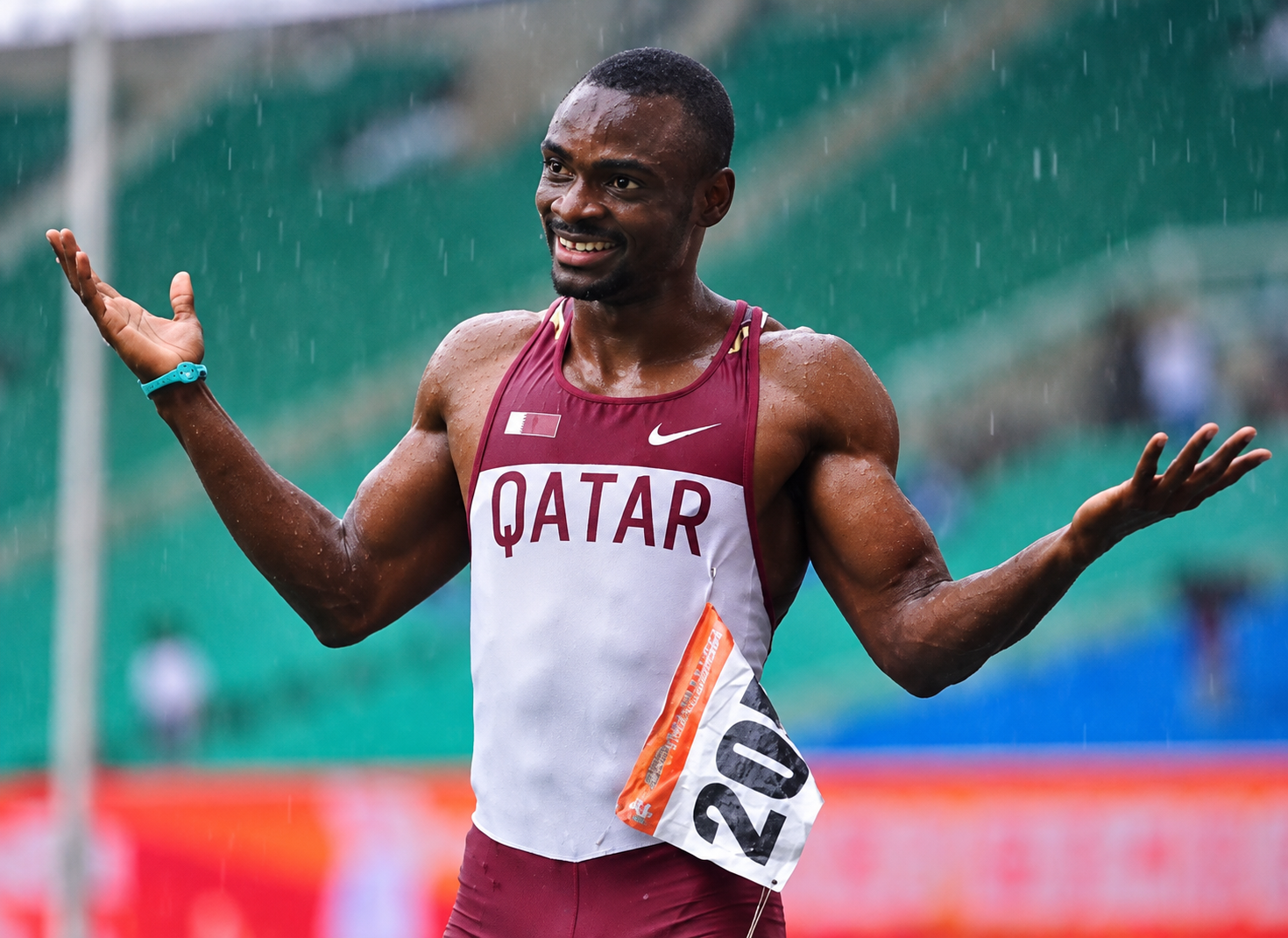
Femi Ogunode — switched to represent Qatar, becoming one of Asia's fastest sprinters
Each of these athletes went on to find real success under a different flag, which is often the most uncomfortable part of this story for Nigerian sports fans, showing that the talent didn't disappear, it just started winning for someone else.
So Is It About the Money, or the Mismanagement?
Both, most likely, and they're not as separate as they sound.
Turkey in particular has built a well-documented strategy of actively recruiting elite athletes from countries with weaker sports federations.
According to Sport Resolutions, Jamaican Olympic medalists Roje Stona and Rajindra Campbell were reportedly offered $500,000 signing bonuses plus monthly financial support to switch allegiance to Turkey around the same period as Ofili's move.
That kind of offer is difficult to turn down for athletes who feel undervalued at home, and it explains why the same country, Turkey, keeps appearing across multiple nations' "athletes who left" lists.
But money alone doesn't fully explain Ofili's case, since two separate Olympic omissions caused by administrative failure, not underfunding, were the specific triggers she cited.
The Rules That Make Switching Complicated
Changing sporting nationality isn't as simple as changing a passport.
Under World Athletics rules, an athlete must observe a three-year waiting period after last competing for one country before they're eligible to compete internationally for another, unless a waiver is granted for exceptional circumstances.
For Ofili, that timeline has already caused complications.
A senior National Sports Commission official stated in early 2026 that Ofili is, in their words, "still our athlete," and that she may not be eligible to represent Turkey until September 2028, potentially ruling her out of representing her new country at the 2028 Los Angeles Olympics entirely.
Why This Keeps Happening to Nigerian Athletes Specifically
Ofili's case echoes a familiar pattern rather than an isolated failure.
Missed doping tests, late registrations, delayed grants, and unclear communication between athletes and federations have been recurring complaints across Nigerian athletics for years, not just in her case.
It's part of a broader governance problem the National Sports Commission has publicly acknowledged and tried to address, including the merit-based reforms behind events like National Boxing Week, which opened selection trials to diaspora athletes specifically to counter accusations of unfair, opaque selection processes.
Athletics hasn't seen a comparable public overhaul, and cases like Ofili's suggest the pressure to do so is building. For athletes who feel like their careers are being managed reactively rather than strategically, a rival federation offering guaranteed support, and sometimes a six-figure signing bonus, becomes an easy comparison to make.
What This Actually Costs Nigeria
Every athlete who switches allegiance is a loss that shows up years later, not immediately.
Gloria Alozie, Francis Obikwelu, and Femi Ogunode all built their biggest career moments under different flags, medals and records that could have counted for Nigeria under better management.
Whether or not Ofili ultimately competes for Turkey, her case has already done something the federation couldn't ignore, it put Nigeria's athletics governance under public scrutiny at a moment when other sports, like boxing, are actively trying to rebuild credibility through more transparent systems.
It's Not Just Athletics: The Same Pattern Shows Up in Other Sports
Track and field isn't the only place this plays out.
Nigerian-heritage basketball players born and raised abroad have historically had to be actively courted to even consider representing Nigeria's national team, the D'Tigers, over the country where they grew up and trained.
Facilities, coaching infrastructure, and college pathways abroad have often made that an easy call for young players who never lived in Nigeria in the first place.
What's notable is that Nigeria has recently started reversing part of that pattern rather than just losing to it.
Basketball has seen real diaspora engagement pay off, and reforms like National Boxing Week's open trials show at least some federations trying to make representing Nigeria the more attractive option again, rather than relying on patriotism alone to keep talent from leaving.
What Would Actually Need to Change
Athletes and administrators broadly agree on what the fixes would look like, even if they disagree on why the problem exists in the first place. The recurring asks include:
Faster, more reliable registration for major championships, so qualified athletes are never left out over paperwork
Guaranteed, on-time disbursement of training grants and camping allowances
A transparent, auditable process for mandatory doping compliance, so no athlete is barred over an administrative miss
A clear appeals process athletes can use when they believe a federation has failed them, rather than going public on social media as a last resort
And the interesting part is that none of these fixes require enormous new funding, they only require consistency, and consistency has been the one thing Nigerian athletics has struggled hardest to deliver.
The pattern isn't new, and it isn't likely to stop on its own.
Until Nigerian sports governance closes the gap between what athletes need and what federations actually deliver, cases like Ofili's will keep resurfacing, one frustrated athlete and one rival federation's offer at a time.
Frequently Asked Questions
1. Has Favour Ofili officially switched to Turkey?
She announced her intention to switch in 2025, but as of early 2026, Nigerian sports authorities maintain she remains eligible only for Nigeria, and World Athletics still lists her under her original nationality.
2. Why do athletes switch the country they compete for?
Reasons vary, but the most common are financial incentives from wealthier federations, frustration with mismanagement or lack of support at home, and, in some cases, family or residency ties to the new country.
3. Can Favour Ofili compete for Turkey at the 2028 Olympics?
It's uncertain. Nigerian officials have stated she may not be eligible until September 2028, which could rule her out of representing Turkey at the Los Angeles Olympics that same year.
4. Which other Nigerian athletes have switched nationality?
Gloria Alozie (Spain), Francis Obikwelu (Portugal), and Femi Ogunode (Qatar) are among the most well-known Nigerian-born athletes who went on to compete for other countries.
5. Does Nigeria lose athletes only in track and field?
No. Similar dynamics, better facilities, funding, or opportunity abroad, have historically influenced Nigerian-heritage talent in basketball and other sports, though targeted diaspora outreach in recent years has started to reverse some of that trend.
- Favour Ofili
- Nigerian Athletes Nationality Switch
- Athletics Federation of Nigeria
- Nigerian Sports Governance
- Team Nigeria Athletics
Tip: highlight any line in the story to turn that line into a share card.
Frequently asked
- What is “The Real Reason So Many Nigerian Athletes Switch Countries to Compete” about?
- In 2025, one of Nigeria's brightest sprinting talents announced she was starting a "new chapter representing Türkiye." Favour Ofili's decision to switch her national allegiance from Nigeria to Turkey wasn't a one-off… Favour Ofili's move to Turkey reopened a decades-old question, why does Nigeria…
- Who covers on the sport on PINCHED?
- Praise_writes reports this piece for the PINCHED on the sport desk.
- Where can I read “The Real Reason So Many Nigerian Athletes Switch Countries to Compete”?
- Read it in full at https://staypinched.site/read/the-real-reason-so-many-nigerian-athletes-switch-countries-to-compete.