Olatunji Afolayan Declares that the Top is the most difficult place to be; see why.
Nollywood's Art Director, on Why Production Design is About ‘Playing God
Choose your narrator

In short
Nollywood's Art Director, on Why Production Design is About ‘Playing God When an audience connects with a film, their attention naturally focuses on the actors, the dramatic storyline, or the sweeping visuals. But behind every visually striking scene, every period-accurate set,…
- Desk:
- film
- Format:
- article
- Author:
- Mary Anja
When an audience connects with a film, their attention naturally focuses on the actors, the dramatic storyline, or the sweeping visuals. But behind every visually striking scene, every period-accurate set, every textured prop, and every atmospheric location—is one individual responsible for literally inventing the world: the production designer.
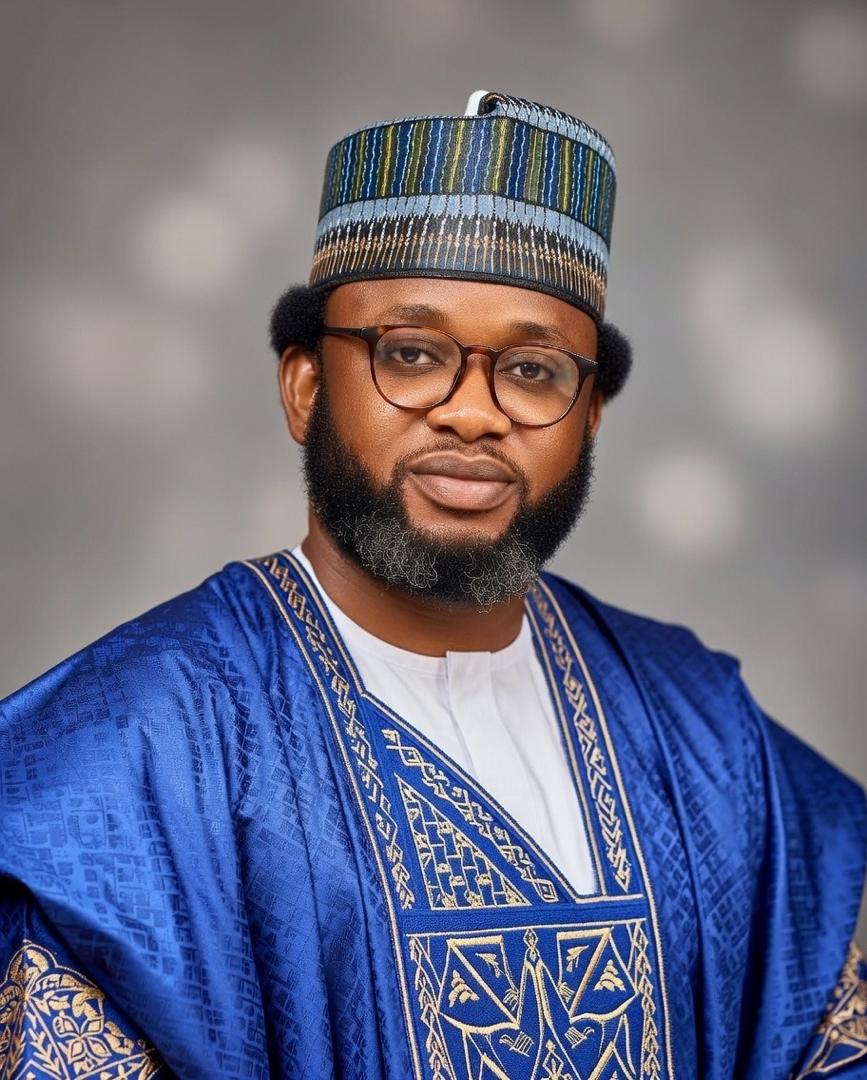
In the fast-evolving landscape of African cinema, few individuals carry this mantle with the same philosophical depth and demanding rigor as Olatunji Afolayan. The multi-award-winning Nigerian art director and production designer defines his profession with a striking intensity.
“My definition of an art director is that person who is saddled with the responsibility of playing God in filmmaking,” Afolayan explains.
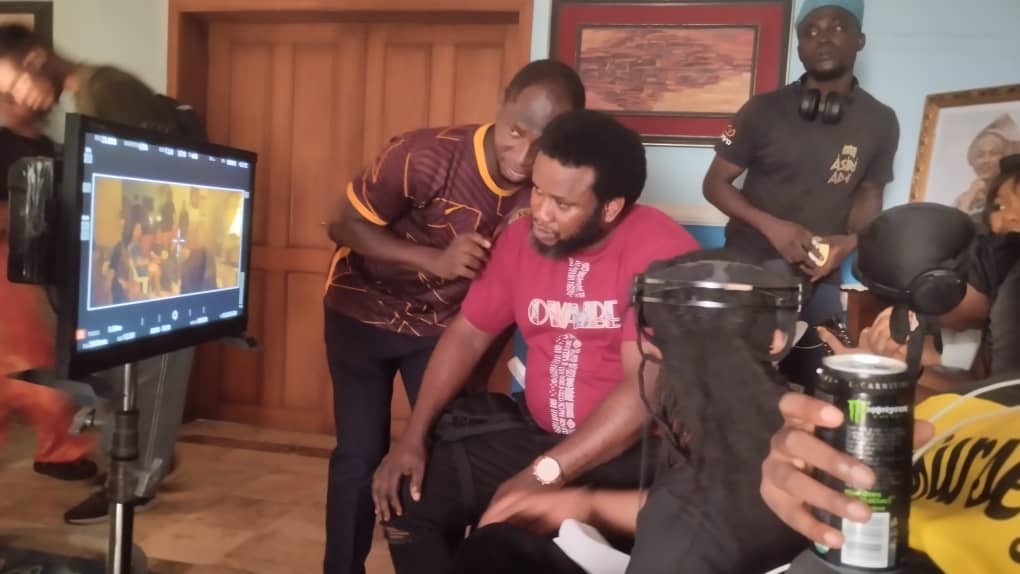
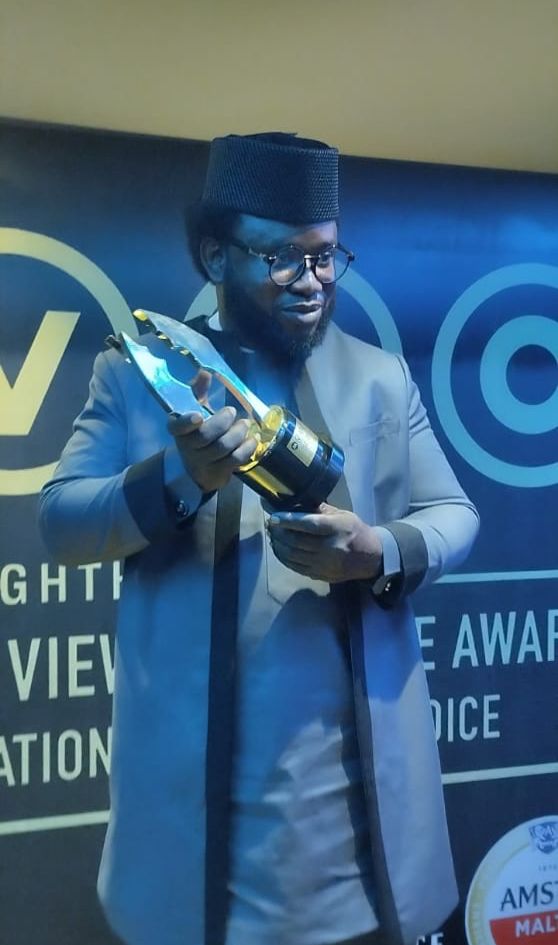
For Afolayan, who holds two AMVCA wins and a six-year streak of nominations (for films like Amina, Battle on Buka Street, and Jagun Jagun), the job is not decoration; it is an act of creation. In a candid interview, Afolayan spoke about his journey, the punishing reality of bringing imaginary worlds to life, and the demanding standard of excellence required at the peak of Nollywood production, giving Flesh to the Script: The Three Major G’s
A graduate of mass communication who later specialized in scenery design and studied filmmaking at Tunde Kelani’s Mainframe Productions, Afolayan has spent decades mastering the visual language of storytelling. His company, Telegenic Media—a name inspired by the simple phrase, "something that looks good on TV"—is built on the ethos of ultimate creative responsibility.
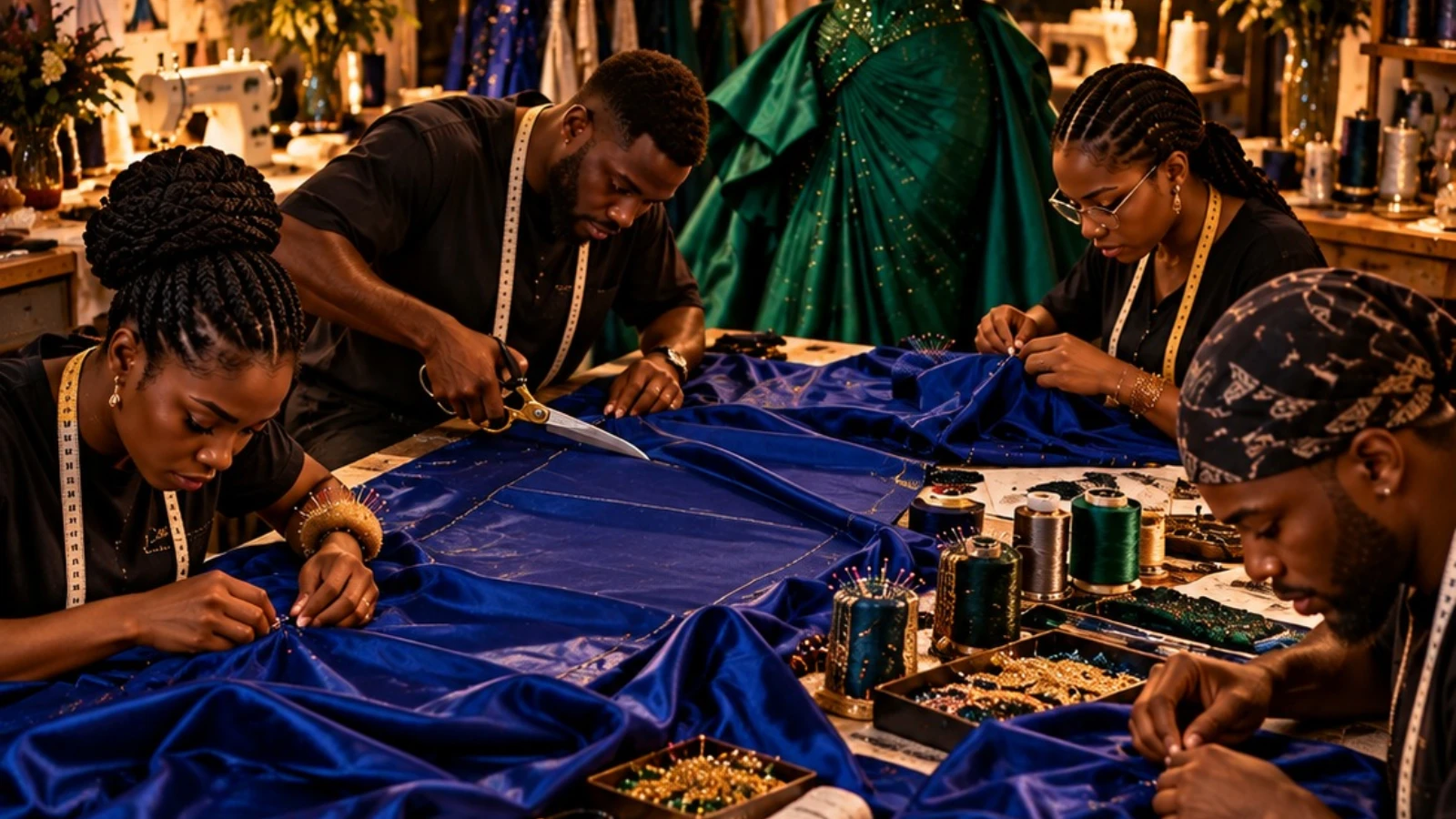
The production designer, he notes, "defines the whole look and feel of a film." This includes everything from the tone and color palette to the sets, props, costume, makeup, and special effects (SFX).
He simplifies the technical architecture of film by pointing to the "three major G’s": the production designer, the Director of Photography (DOP), and the film director, who remains the “superior G” overseeing all technical, artistic, and human elements.
Using a powerful, biblical analogy, he clarifies his core purpose: “Now you have a script written by somebody somewhere, and it is sent to you as a production designer. You have to breathe life into that script, give it flesh and give it a look. You have to create an imaginary world.”A Career, Not a Job: The Late-Night Reality of Set Life
Afolayan is unsparing about the commitment required for his craft. He draws a firm line between pursuing a job (for survival) and committing to a career (driven by passion and discipline).
“I’ve always said to my guys, if you joined Telegenic because you need a job, it’s not the right place for you,” he states. “If you are looking for easy work, don’t come to production design.”
He details the brutal schedule of the art department, whose work often begins precisely when other crew members relax. “When people wrap on set at 7:00 p.m., that 7:00 p.m. is the beginning of your own job,” he says, explaining that the art department often works through the night and into "off days" preparing the sets for the next shoot.
His team’s watchword reflects this high standard: “we don’t do good films, we do excellent films.” He advises young creatives that if you are emotional or looking to be pampered, "don’t come to art direction or production design."The Ultimate Test: Conquering the Epic Genre
For Afolayan, the art direction process is fundamentally the same across all genres—contemporary, futuristic, vintage, and epic—but the level of effort is drastically different.
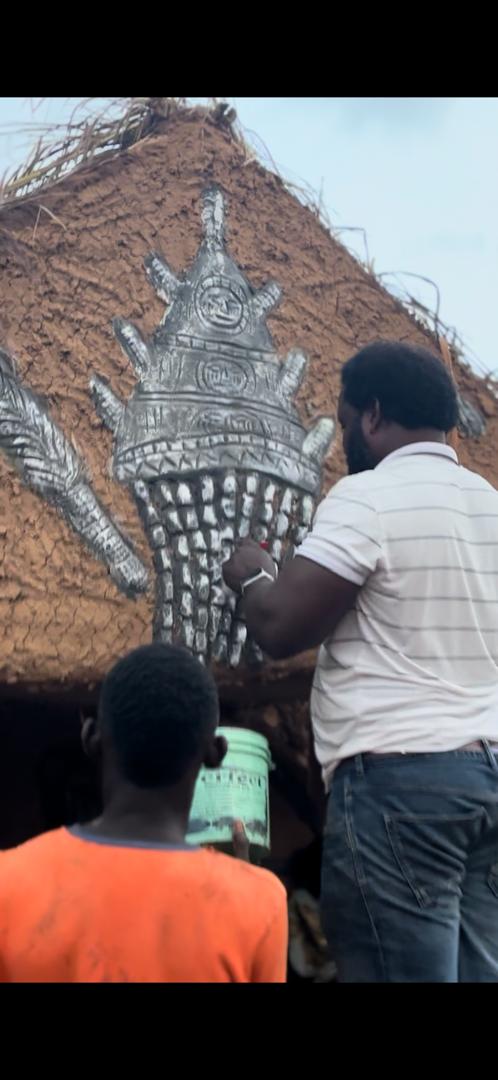
He confirms that the epic genre is the "most challenging one." These films require the designer to create worlds that existed decades ago "from scratch." For the highly acclaimed Jagun Jagun (nominated for Best Art Direction at the 2024 AMVCAs), this challenge was literal: the team had to go to "buy a land, the virgin land and cultivate it and start building those set."
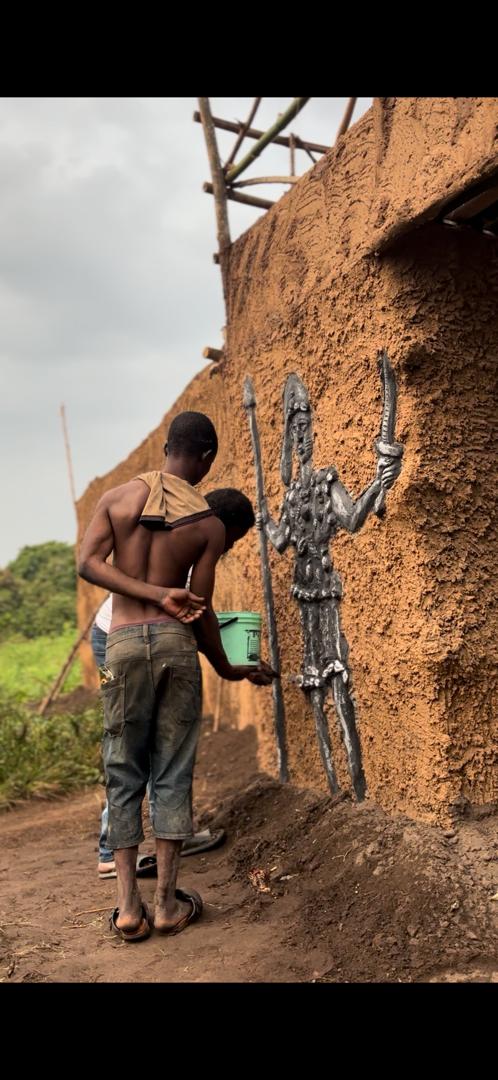
He identified Seven Doors as the most challenging project he has worked on because it required him to manage a complex combination, simultaneously implementing epic and vintage art direction requirements on the same set.
Despite the intensity, Afolayan credits his consistency to the quality of his collaborations. He notes that he has worked with almost all of Nollywood's biggest directors (including Izu Ojukwu and Funke Akindele) and learns from each unique approach. For him, the key is mutual trust; directors who give him an “open cheque” to express his ideas are essential to bringing out his best work.Cinematography, Awards, and the Need for Bigger Budgets
Afolayan stresses that the technical crew must see the world through the lens of the audience. He insists that everyone in the art department must understand cinematography—light, shade, mood, and depth of field—because the camera is the "eye of the audience," and they must always "play for the camera."
While he appreciates the validation, he admits that winning awards now gives him “mixed feelings,” as they can be detrimental. “People think because you have AMVCA, you are very expensive,” he notes, a perception that can sometimes discourage opportunities. He views awards as validation that he’s "doing the right thing," but constantly reminds himself that "yesterday’s success is already old news," and the most difficult place to be is the top.
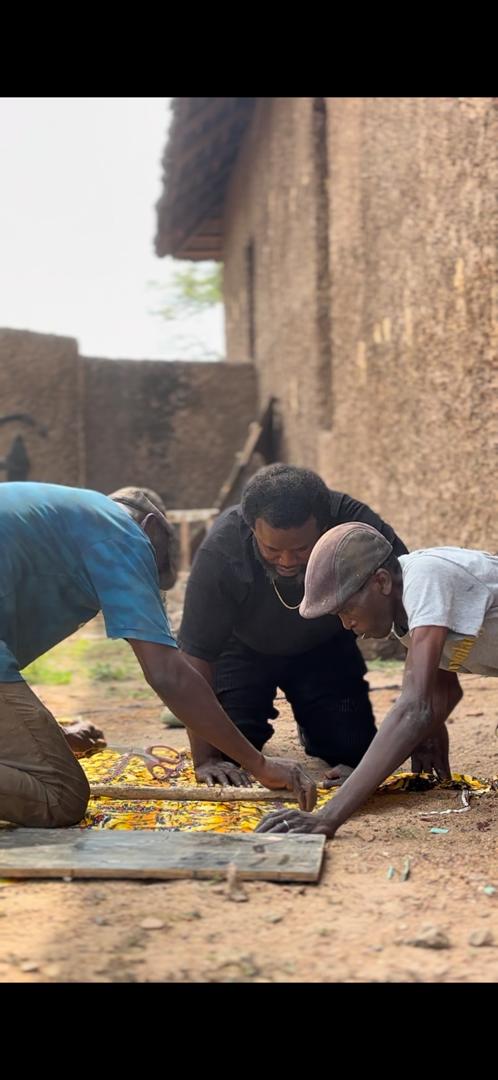
Looking at the industry globally, Afolayan acknowledges that production quality is improving in Nigeria, but stresses that the industry is saturated and still needs stronger financial backing. He states that many producers are still working with budgets "like indie filmmakers" despite Nollywood’s global reach. He argues that film is a powerful tool for shaping society and needs institutional support and bigger budgets to truly allow creatives to "express ourselves better."
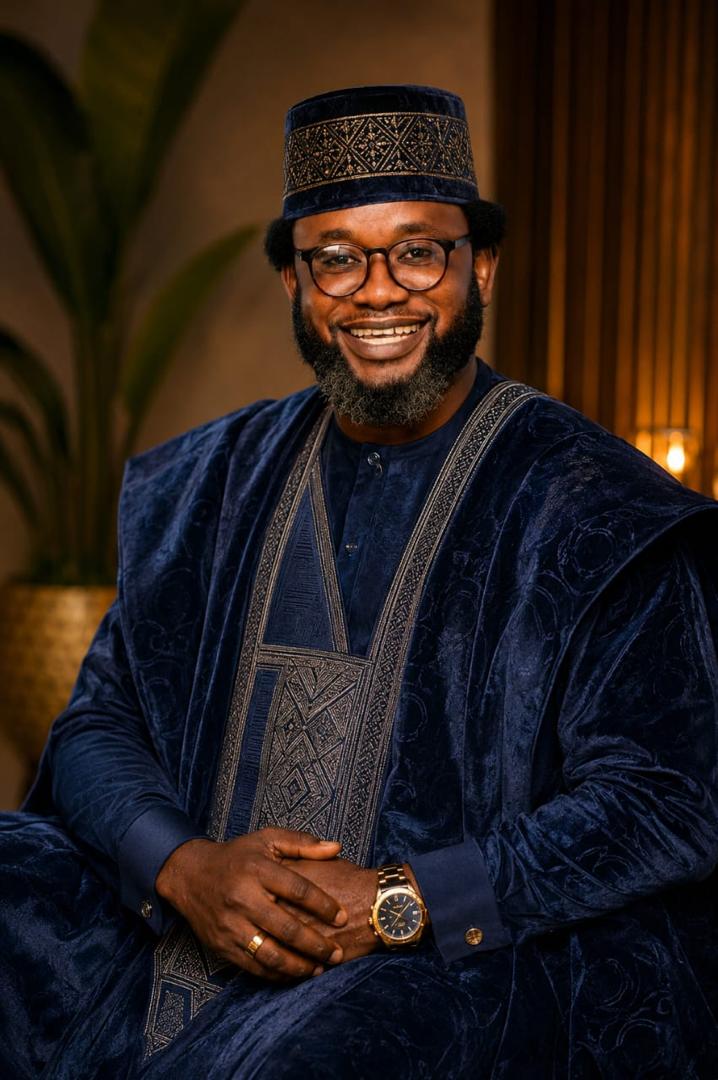
Afolayan concluded by stating that he is a private person who believes in “noiseless expansion,” letting the impact of his work generate his opportunities. Ultimately, the man who “plays God” on set hopes for a powerful, enduring legacy: to be remembered as the person who “came, who saw and who conquered.”
Tip: highlight any line in the story to turn that line into a share card.
Frequently asked
- What is “Olatunji Afolayan Declares that the Top is the most difficult place to be; see why.” about?
- Nollywood's Art Director, on Why Production Design is About ‘Playing God When an audience connects with a film, their attention naturally focuses on the actors, the dramatic storyline, or the sweeping visuals. But behind every visually striking scene, every period-accurate set, every textured…
- Who covers film on PINCHED?
- Mary Anja reports this piece for the PINCHED film desk.
- Where can I read “Olatunji Afolayan Declares that the Top is the most difficult place to be; see why.”?
- Read it in full at https://staypinched.lovable.app/read/the-most-difficult-place-to-be-is-the-top-olatunji-afolayan-nollywood-s-art-dire.