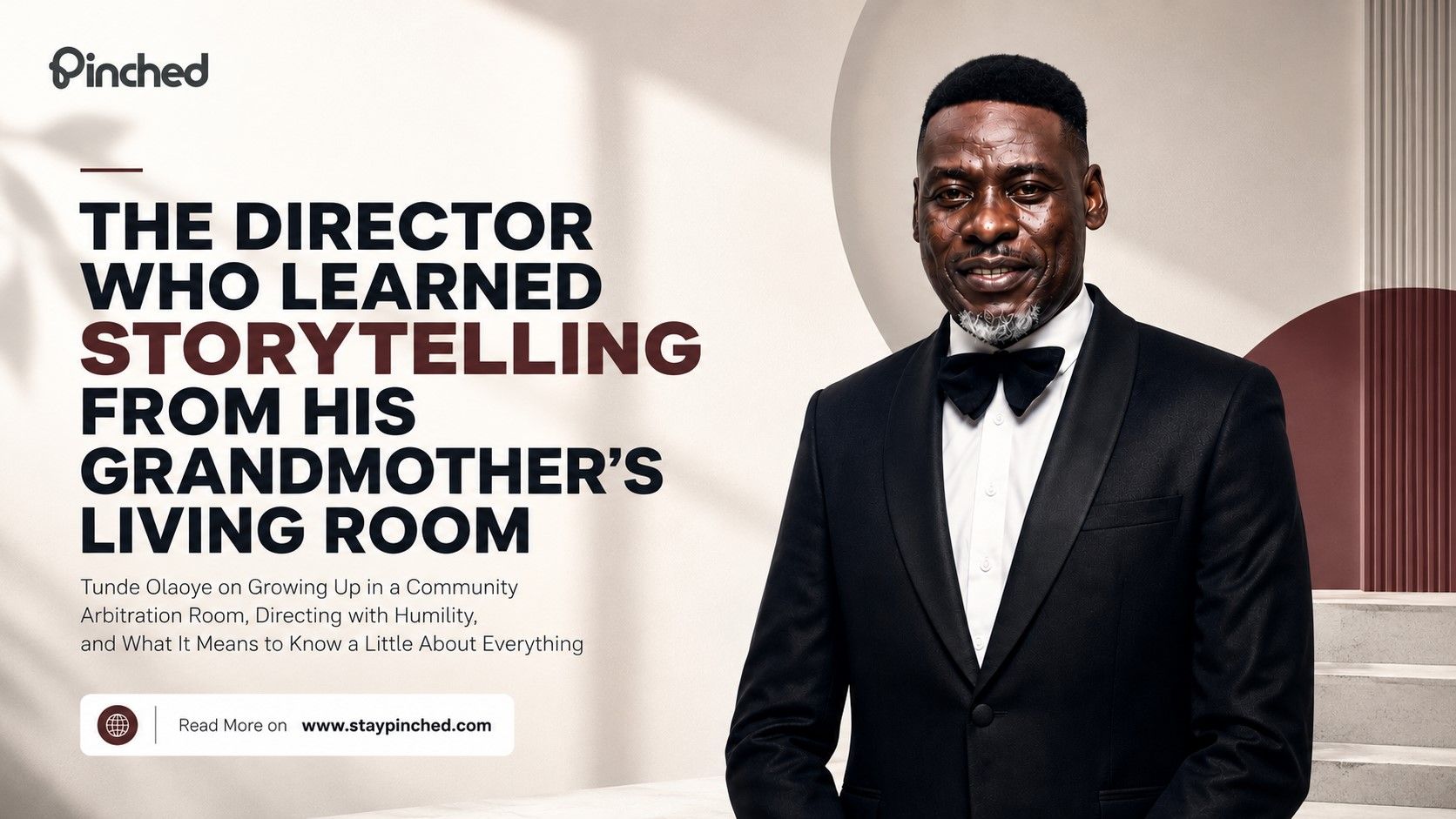
The Director Who Learned Storytelling from His Grandmother's Living Room
Before cameras, actors and film sets, his grandmother’s living room was where he first discovered the power of storytelling—learning to listen, observe and understand the human stories that would eventually shape his work as a director.
Choose your narrator
In short
Before cameras, actors and film sets, his grandmother’s living room was where he first discovered the power of storytelling—learning to listen, observe and understand the human stories that would eventually shape his work as a director. For over two decades, storytelling has…
- Desk:
- film
- Format:
- article
- Author:
For over two decades, storytelling has been more than just a profession for Tunde Olaoye it has been a calling. A filmmaker, theatre artist, project manager, writer and director, he describes himself simply as a storyteller. Yet behind that title lies years of experience, persistence, and an unwavering commitment to telling stories that not only entertain but also inspire meaningful conversations and societal change.
His journey into storytelling began long before he stepped onto a film set. In his formative years, Tunde Olaoye found himself exposed to something that would unknowingly shape his understanding of human nature and conflict.
His grandmother served as a respected figure within their community, and disputes ranging from marital disagreements to conflicts within associations were often brought to her for resolution before escalating to the courts. Their compound effectively functioned as a local arbitration centre, and Tunde Olaoye often sat quietly, observing people present their cases while listening to how his grandmother navigated difficult conversations and reached resolutions.
Those experiences introduced Tunde Olaoye to the complexities of human relationships and the art of conflict resolution. Looking back, he believes they laid the foundation for his love of storytelling.
"I was exposed to different perspectives and different people very early in life. Seeing conflicts and resolutions happen around me made storytelling a natural part of who I became," he reflected.
Throughout his school years, Tunde Olaoye immersed himself in drama and literary societies. Writing and directing quickly became his focus, and unlike many who stumble into the creative industry, he knew from the beginning that directing was where his passion truly lay.
Breaking into the Industry
Entering the film industry, however, was far from easy.
At a time when social media did not exist and camera phones were not available for creators to showcase their work, opportunities were scarce. For someone without family connections or friends already established in the industry, breaking in required resilience and faith.
Tunde Olaoye started out attending auditions and taking acting roles, particularly with Super Story, one of Nigeria's most popular television series. He appeared in minor roles and background scenes, using every opportunity available to learn and build relationships.
Those early experiences eventually opened doors.
A recommendation from someone who had seen his writing abilities led to his first opportunity as a writer on a television series. Later, while working on set, he witnessed a director struggling to communicate a scene to an actor. Drawing from his understanding of the script, Tunde Olaoye stepped in to explain the emotions behind the scene, helping bridge the gap between the actor and the director.
That moment caught the attention of the production team.
Soon, he found himself directing.
Looking back, he describes those opportunities as evidence that passion has a way of attracting the right people and creating unexpected openings.
Wearing Multiple Hats
Having worked both as a writer and a director, Tunde Olaoye understands the creative tension that sometimes exists between the two roles.
Interestingly, some of those disagreements happen within himself.
"When I'm writing, I think like a writer. But once I'm directing, I no longer see the script the same way. A director has to consider performance, budget, logistics and every other element that affects how the story eventually comes to life."
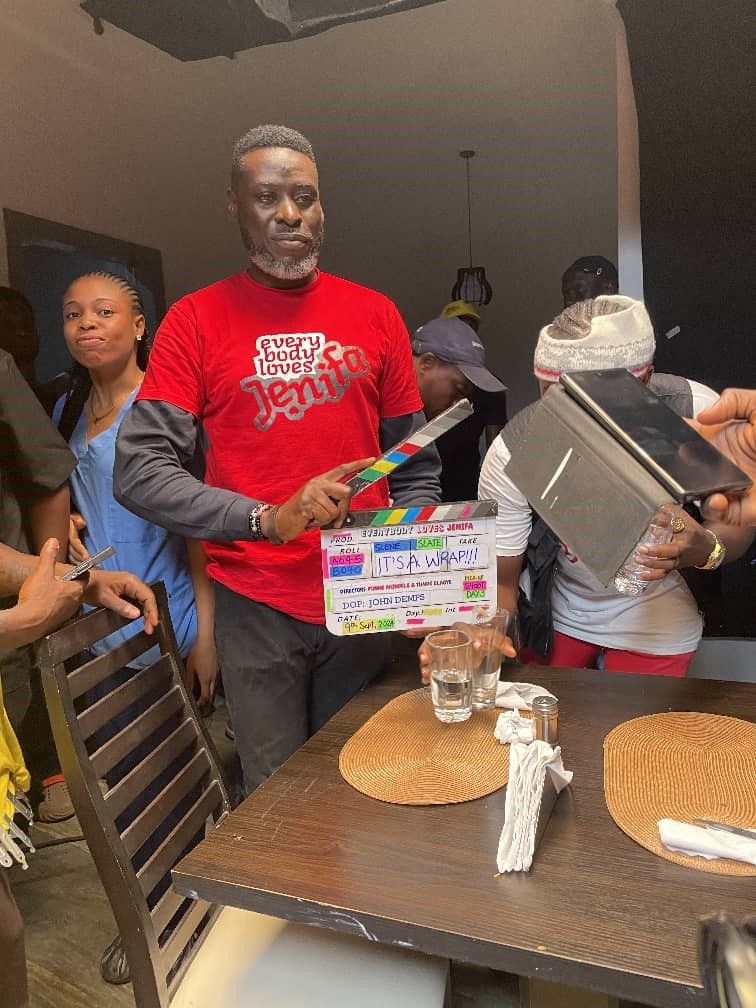
This shift in perspective means that scenes are occasionally altered or approached differently during production. However, Tunde Olaoye believes creative differences should never become battles.
For him, filmmaking is built on conversations rather than arguments.
He recalled instances where actors, producers and writers presented ideas he had not previously considered. Rather than insisting on authority, he remains open to superior arguments.
"Nobody knows everything. Sometimes someone sees something from a perspective you've never thought about, and if their argument is better, you should be willing to embrace it."
In his view, creativity flourishes when people are flexible and open-minded rather than rigid.
The Responsibility of Directing
According to Tunde Olaoye, directing goes far beyond calling "action" and "cut."
A director must understand every aspect of production from writing and performance to cinematography, editing and sound. Much like a conductor leading an orchestra, the director is responsible for bringing all these elements together into one cohesive vision.
"When something succeeds, everyone celebrates. But when something fails, the responsibility eventually comes back to the director."
This is why preparation is essential. Directors must know exactly what they want to achieve with every scene and every shot. Whether through written shot lists or mental preparation, they must communicate their vision clearly enough for actors and crew members to trust the process.
At the same time, Tunde Olaoye believes leadership in filmmaking is not about ego but about collaboration and emotional intelligence.
Even when working with veterans who had spent decades in the industry, he learned that confidence and humility must coexist. Regardless of age or experience, a director must be capable of leading diverse personalities while ensuring the set remains productive and focused.
How Technology Changed Nollywood
Over the years, the Nigerian film industry has experienced tremendous growth.
According to Tunde Olaoye, digital technology and streaming platforms have transformed the landscape entirely.
In the past, filmmakers primarily focused on audiences consuming films through VHS tapes and CDs within Nigeria. Today, the audience is global.
With platforms such as Netflix and other international streaming services providing access to worldwide audiences, filmmakers have had to raise their standards in terms of storytelling, technical quality and production values.
"Now, we have to think globally," he explained.
Better equipment, improved budgets and increased access to training have all contributed to the industry's evolution. Many professionals continue to upgrade their skills, while filmmakers who have studied abroad bring fresh perspectives that further strengthen Nollywood.
Independent creators have also emerged, giving rise to a more diverse and competitive industry.
Recognition Beyond the Actors
For many years, actors were the only visible faces associated with filmmaking. Directors and crew members largely remained behind the scenes.
That reality has changed.
Through social media, film premieres and digital platforms, audiences have become increasingly aware of the people responsible for bringing stories to life.
Today, cinematographers, directors and visual effects artists are gaining recognition for their contributions.
"Tunde Olaoye" notes that "Popularity itself has become a form of currency."
Although he believes crew members still deserve greater visibility, he acknowledges that the industry has come a long way compared to previous generations.

Coming Full Circle
Among the many highlights of his career, one experience remains particularly special.
Years after appearing in small roles on Super Story as a struggling newcomer, Tunde Olaoye eventually returned not as an actor seeking opportunities, but as a director.
For him, it was a deeply emotional moment.
It represented the fulfilment of a dream he had carried for years and served as a reminder of how far he had come.
He also considers working on some of Nigeria's biggest productions one of the most rewarding chapters of his career. Being part of projects that went on to achieve record-breaking success brought immense satisfaction and reinforced the importance of excellence and attention to detail.
Learning Across Borders
Having collaborated with filmmakers from different countries, Tunde Olaoye believes cross-cultural exchanges are invaluable.
Working with international cinematographers and directors has exposed him to different work ethics and storytelling traditions. At the same time, many of those collaborators have acknowledged learning from the creativity and adaptability that Nigerian filmmakers bring to the table.
For him, filmmaking is a continuous process of growth.
"There is always something to learn."
His advice to aspiring filmmakers is simple:
Start.
Don't wait until you have millions of naira or access to expensive equipment. Use whatever resources are available, even a smartphone.
Write stories around locations you can access and people you know. Focus less on perfection and more on consistency and growth.
Above all, cultivate a deep appetite for knowledge.
"A filmmaker must know something about everything. Stories can touch medicine, chemistry, law, politics or history. You need to keep studying and reading because knowledge helps you tell better stories."
He also encourages young creatives to accept criticism, build audiences online and continue improving their craft through feedback.
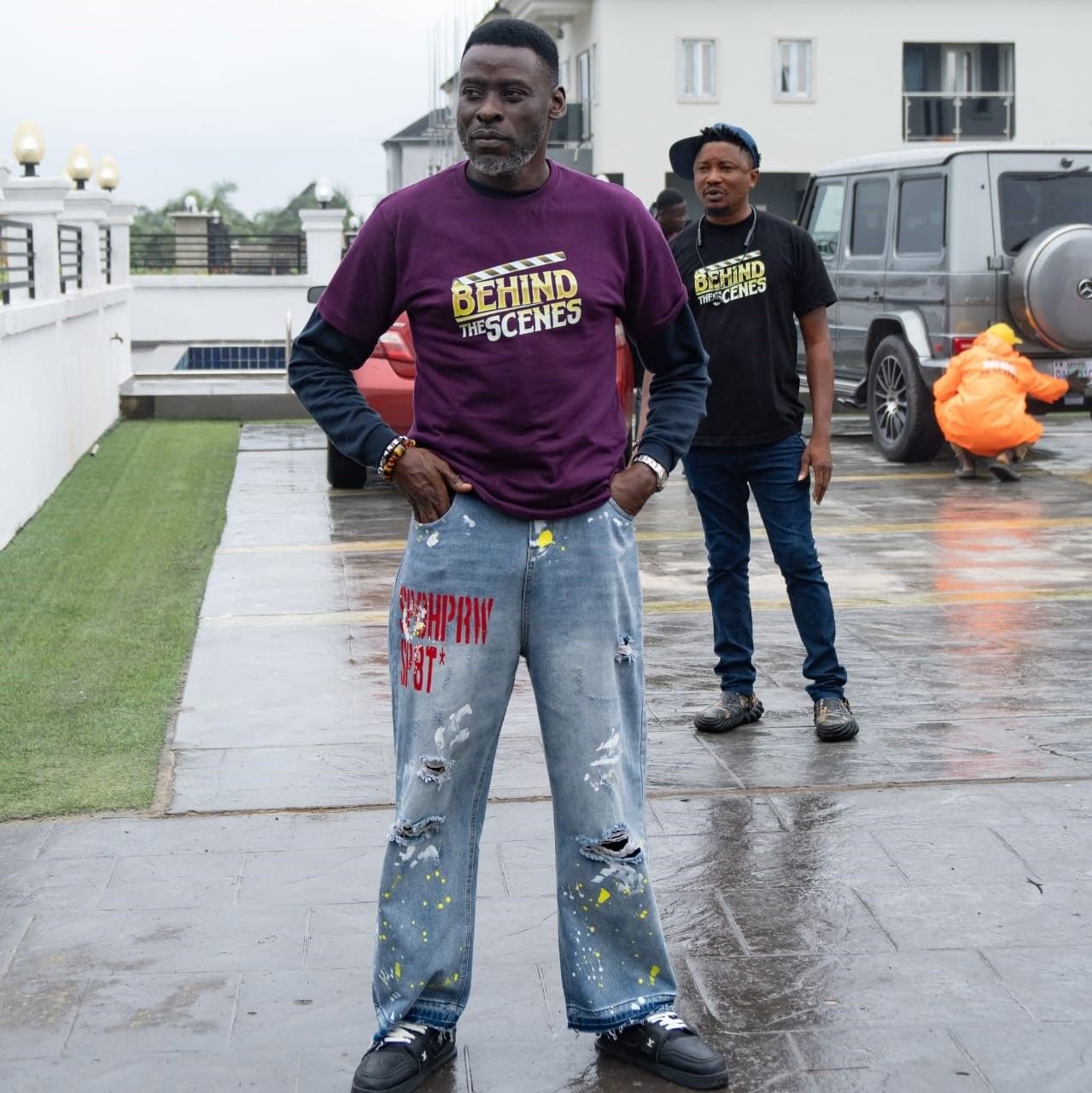
A Legacy of Impact
Although there are projects currently in development, Tunde Olaoye remains careful about discussing them publicly until the appropriate time.
But beyond future productions, he already knows how he hopes to be remembered.
Not merely as a filmmaker.
Not simply as a director.
But as someone whose stories sparked conversations and contributed to changing society for the better.
For him, storytelling has never been just about entertainment.
It has always been about impact.
And after more than twenty years in the industry, that purpose continues to guide every story he chooses to tell.
- Tunde Olaoye
- Director
- everybody loves jenifa
- Funke Akindele
Tip: highlight any line in the story to turn that line into a share card.
Frequently asked
- What is “The Director Who Learned Storytelling from His Grandmother's Living Room” about?
- Before cameras, actors and film sets, his grandmother’s living room was where he first discovered the power of storytelling—learning to listen, observe and understand the human stories that would eventually shape his… Before cameras, actors and film sets, his grandmother’s living room was where he…
- Who covers film on PINCHED?
- reports this piece for the PINCHED film desk.
- Where can I read “The Director Who Learned Storytelling from His Grandmother's Living Room”?
- Read it in full at https://staypinched.lovable.app/read/the-director-who-learned-storytelling-from-his-grandmother-s-living-room.