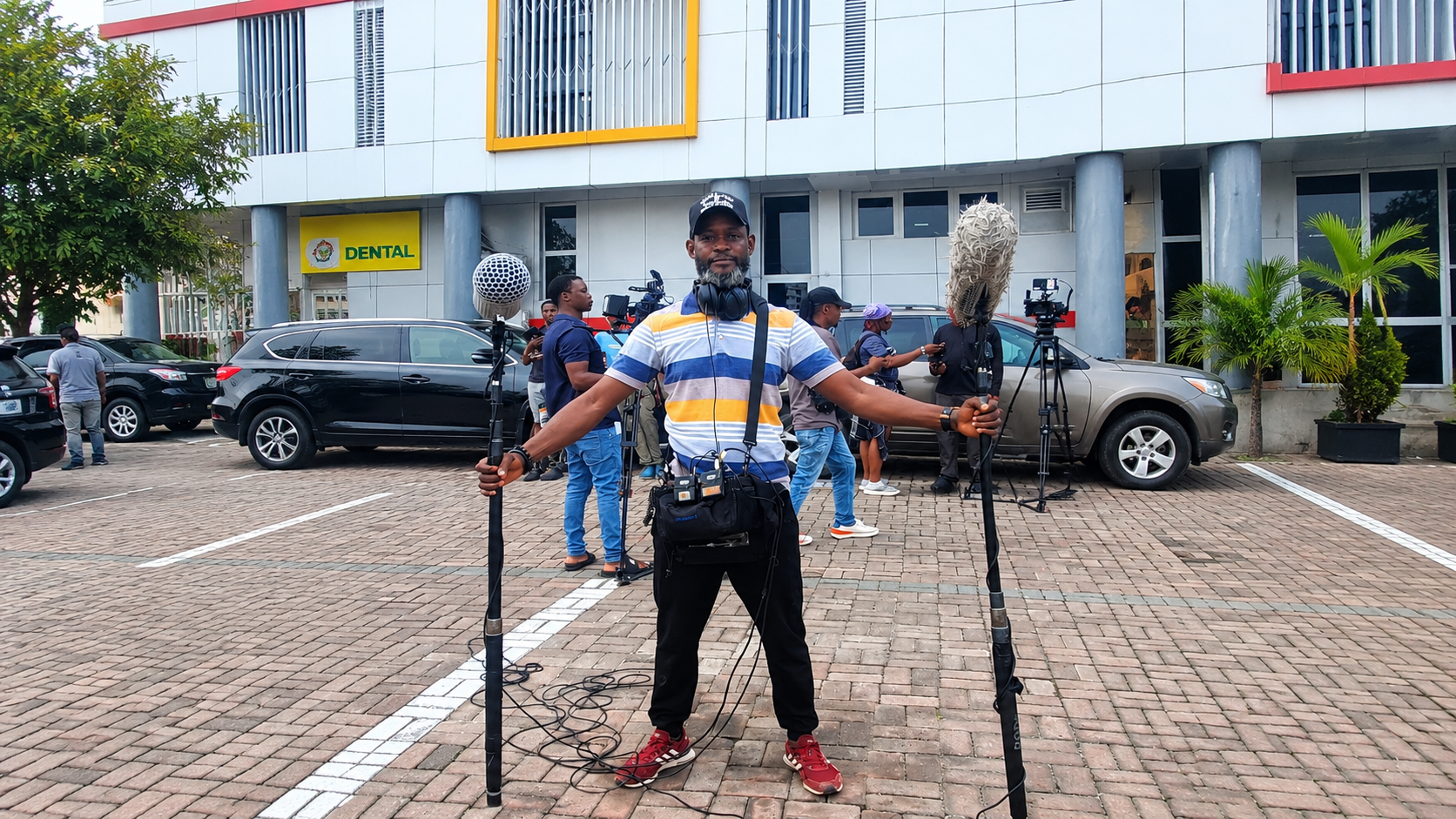
The Crew Nobody Budgets For
Sound, continuity, grips and post. The roles that decide whether a film is watchable are the roles that get cut first.
Choose your narrator
In short
The departments that most affect whether a film feels professional — sound, continuity, grip and post-production — are usually the least protected in an independent African budget, and their absence shows up as unusable footage rather than as a saving.
- First cut:
- Dedicated sound and continuity are the earliest budget casualties
- Where it shows:
- Dialogue that cannot be salvaged and scenes that will not cut together
- Real cost:
- Reshoots and post rescue work usually exceed the saving
Ask a room of people to name a job on a film set and you will get director, actor, maybe producer. Ask which job most often decides whether a finished film is watchable and the honest answer is one nobody in the room said.
Sound goes first
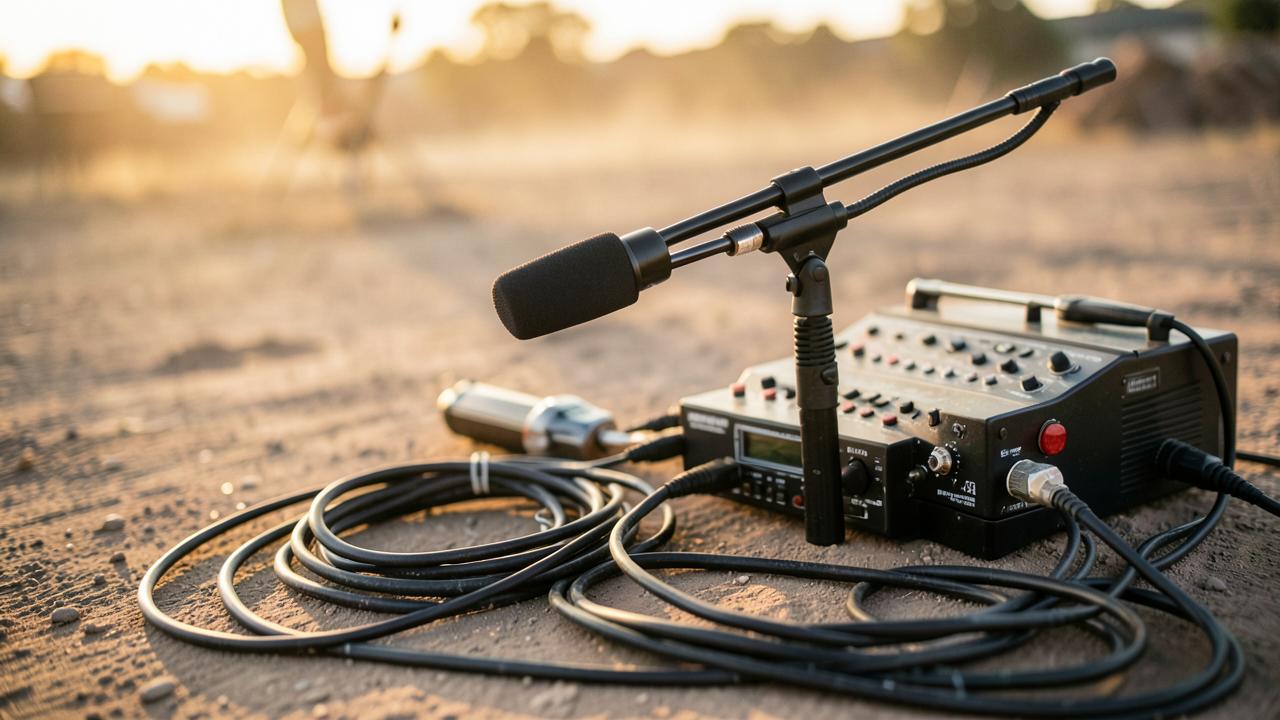
When a budget tightens, a dedicated sound recordist is treated as optional in a way a camera never is. The logic is that dialogue can be fixed later. It usually cannot, not affordably. A performance recorded next to a generator is a performance that must be acted again in a booth, months later, by an actor who has moved on and a producer who no longer has the money.
Audiences tolerate a soft image. They switch off unclear dialogue within a minute.
Continuity is not admin
The continuity supervisor is the person who knows that the glass was half full and the collar was open. Without that role, an editor discovers in post that two halves of a conversation cannot be joined. The scene is then either cut or shot again, and both options cost more than the salary that was saved.
Post is treated as an afterthought and priced like one
Edit, colour, sound mix and delivery are where a film either becomes a product or stays a folder of files. Productions routinely spend everything on the shoot and arrive at post with no money and a deadline, which is how a strong shoot becomes a weak film.
The economics behind the habit
None of this happens because producers do not know better. It happens because financing arrives late, in pieces, and against a delivery date. Under that pressure, the departments that fail loudly on the day get protected and the ones that fail quietly in six weeks get cut.
The fix is not moral. It is structural: budget post before the shoot, ring-fence sound, and treat continuity as insurance rather than as staffing.
- african film industry
- nollywood
- film crew
- creator economy
Tip: highlight any line in the story to turn that line into a share card.
Frequently asked
- Which film crew roles matter most on a small production?
- A dedicated sound recordist, a continuity supervisor and a properly funded edit. Each one prevents a class of problem that cannot be fixed later cheaply.
- Why is production sound so important?
- Audiences forgive imperfect images far more readily than unclear dialogue, and bad location sound often cannot be repaired without re-recording the performance.