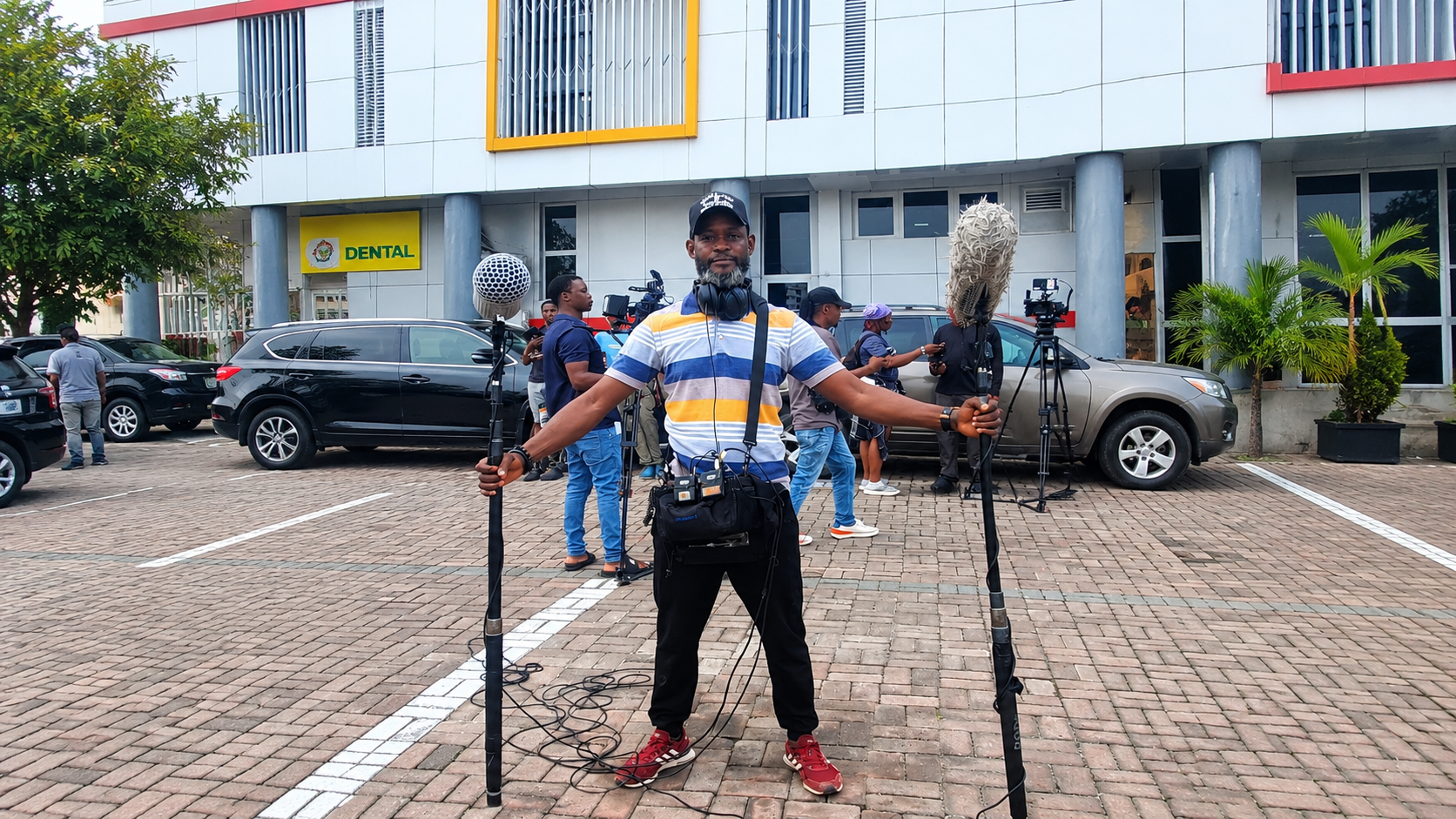
The Art of Film Scoring: How Music Shapes a Movie's Emotional impact
Music does more than accompany a film—it tells us what to feel, when to feel it and how deeply to feel it. This exploration of film scoring reveals how composers transform images into emotion, using sound to build tension, deepen character and turn memorable scenes into lasting cinematic experiences.
Choose your narrator
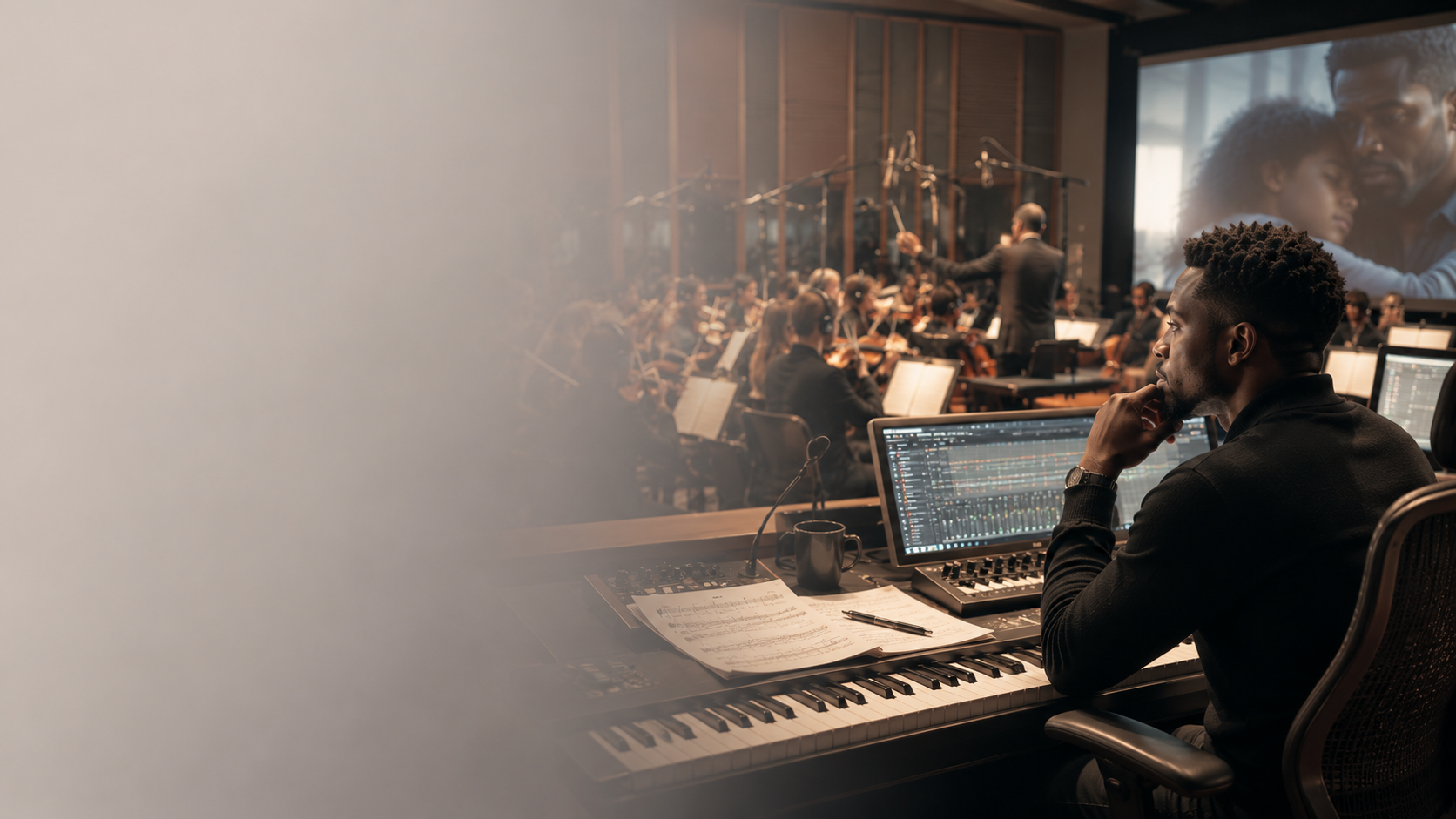
In short
Music does more than accompany a film—it tells us what to feel, when to feel it and how deeply to feel it. This exploration of film scoring reveals how composers transform images into emotion, using sound to build tension, deepen character and turn memorable scenes into lasting…
- Desk:
- film
- Format:
- article
- Author:
- Mary Anja
Watch any important scene in a film with the sound muted, and something immediately feels missing. The dialogue and visuals may still tell the story, but the music often tells us how to feel about what we are watching, sometimes before we even realise it. Film scoring is one of cinema's most powerful tools, but it is also one of the least noticeable. In many cases, a score works best when the audience does not even realise how much it is influencing their emotions.
Music as Emotional Instruction
One of the main jobs of a film score is to guide the audience's emotional interpretation of a scene. The same moment- a character walking into an empty house, for example — can feel frightening, sad, mysterious, or even hopeful depending on the music playing underneath it. Composers understand this and use tempo, key, instruments, and changes in volume to shape an audience's response in ways that dialogue alone often cannot.
This emotional influence is not a criticism of film scoring. It is the whole point. Music can reach our emotional responses more quickly and directly than visual or verbal information. A rising string section can create tension before an audience consciously understands why something feels dangerous. A simple piano melody can communicate grief in a way that a long piece of dialogue might struggle to achieve. Composers are essentially taking the story, characters, and emotions and translating them into a language that can move straight past rational thinking and connect with feeling.
The Leitmotif: Storytelling Through Recurring Themes
One of the most recognisable techniques in film scoring is the leitmotif — a recurring musical theme connected to a particular character, place, or idea. The technique comes from opera and was later adopted and developed by film composers across different periods of cinema. It allows music to communicate information about a story even when no one is saying it out loud.
A well-created leitmotif can signal that a character is about to appear, hint at something that is about to happen, or make an emotional moment feel deeper by connecting it to something that happened earlier in the film. When a hero's familiar theme returns in a darker or minor key during a moment of defeat, the audience can immediately sense that something has changed, even if they are not consciously thinking about the music.
That is part of what makes this technique so effective. It rewards viewers who pay close attention to the score, while still working for people who may never consciously notice that the same musical idea has appeared before.
Silence as a Scoring Choice
Just as important as the music a composer adds to a scene is the music they decide not to use. Silence, or the absence of a traditional score, can be one of the most powerful choices in filmmaking, especially during moments that are supposed to feel raw, sudden, or completely real.
When a scene has no music, the audience is forced to sit directly with the dialogue, background sounds, or visuals without the emotional guidance that a score normally provides. This can make a moment feel more exposed and sometimes much more uncomfortable.

Directors and composers who work closely together often make these decisions as a team. Silence is not simply the absence of music; it can be a deliberate creative choice with its own emotional weight. Some of the most memorable scenes in cinema rely on this kind of restraint, using quiet to build tension or emotional discomfort in ways that a large orchestral score might not achieve.
The Collaborative Relationship Between Director and Composer
The strongest film scores usually come from close collaboration between a director and composer rather than a composer being brought in at the very end and simply reacting to an already finished film. Some of the most memorable director-composer partnerships in cinema have produced scores that feel almost inseparable from the films themselves. This often happens because the composer is involved early enough to understand the themes and emotional direction of the film rather than simply trying to fit music into an already completed edit.
The collaboration can begin long before a single note is written. Directors may discuss the tone, pacing, characters, and themes they want the film to communicate, giving the composer a better understanding of the overall vision. Temporary scores; placeholder music used during editing and sometimes taken from existing films or compositions, can also influence how directors imagine certain scenes should feel. This can give composers useful direction, but it can also create challenges when they have to replace a temporary piece that a director has already become attached to with something completely original.
Global Influences Reshaping Contemporary Scoring
Film scoring has also become increasingly global. Composers today are drawing from musical traditions far beyond the orchestral styles that dominated much of twentieth-century cinema. Modern film scores increasingly combine electronic sounds, non-Western instruments, traditional musical styles, and contemporary production techniques.
This has expanded the emotional and cultural range available to composers. Instead of relying on one familiar orchestral sound, they can create music that feels connected to a film's location, culture, characters, and story. The result can make a film feel more specific and authentic rather than giving it a generic cinematic sound.
Why Scoring Deserves More Attention
Despite how much influence music has over the way audiences experience films, film scoring often receives less attention than writing, directing, cinematography, or acting. Yet a poorly chosen or badly executed score can weaken an otherwise strong film, while an exceptional score can make an ordinary scene stay with an audience long after the credits roll.
For anyone who wants to understand film beyond the obvious elements, paying closer attention to the music is a good place to start. Notice what is playing during an important scene, what happens when the music disappears, and how the same melody can change the way a moment feels. Once you start paying attention, it becomes much easier to see just how much of a film's emotional experience is being shaped by music.
- Sync Licensing
- Music Scoring
- Movie
Tip: highlight any line in the story to turn that line into a share card.
Frequently asked
- What is “The Art of Film Scoring: How Music Shapes a Movie's Emotional impact” about?
- Music does more than accompany a film—it tells us what to feel, when to feel it and how deeply to feel it. This exploration of film scoring reveals how composers transform images into emotion, using sound to build tension, deepen character and turn memorable scenes into lasting cinematic…
- Who covers film on PINCHED?
- Mary Anja reports this piece for the PINCHED film desk.
- Where can I read “The Art of Film Scoring: How Music Shapes a Movie's Emotional impact”?
- Read it in full at https://staypinched.lovable.app/read/the-art-of-film-scoring-how-music-shapes-a-movie-s-emotional-impact.