Pioneering Nollywood's 12-Hour Rule: First AD Ade Oshin on Enforcing Crew Standards and Redefining African Filmmaking.
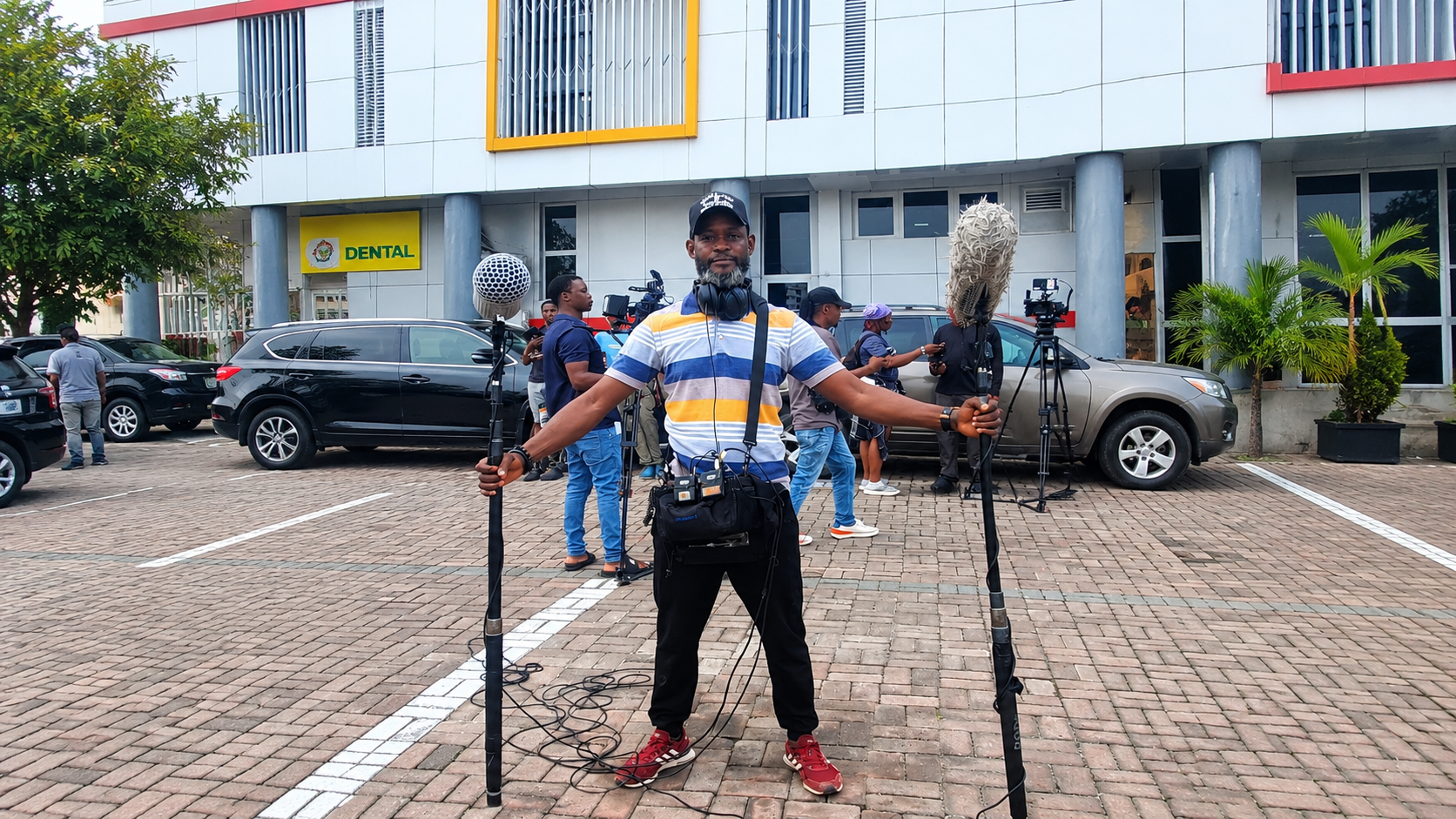
When people think about filmmaking, their minds often go straight to actors and directors. But behind every film that we love are people working tirelessly behind the scenes to make sure everything comes together. One of those people is Ade Oshin, a first assistant director, associate producer, production manager and editor whose journey in filmmaking has been defined by passion, resilience and an unwavering belief in doing things the right way.
Choose your narrator

In short
When people think about filmmaking, their minds often go straight to actors and directors. But behind every film that we love are people working tirelessly behind the scenes to make sure everything comes together.
- Desk:
- film
- Format:
- article
- Author:
- Mary Anja
When people think about filmmaking, their minds often go straight to actors and directors. But behind every film that we love are people working tirelessly behind the scenes to make sure everything comes together. One of those people is Ade Oshin, a first assistant director, associate producer, production manager and editor whose journey in filmmaking has been defined by passion, resilience and an unwavering belief in doing things the right way.
Speaking with The Pinch Network, Ade Oshin opened up about his career, the challenges he has faced, the standards he has fought for and the legacy he hopes to leave behind.
More Than Just the Director's Assistant
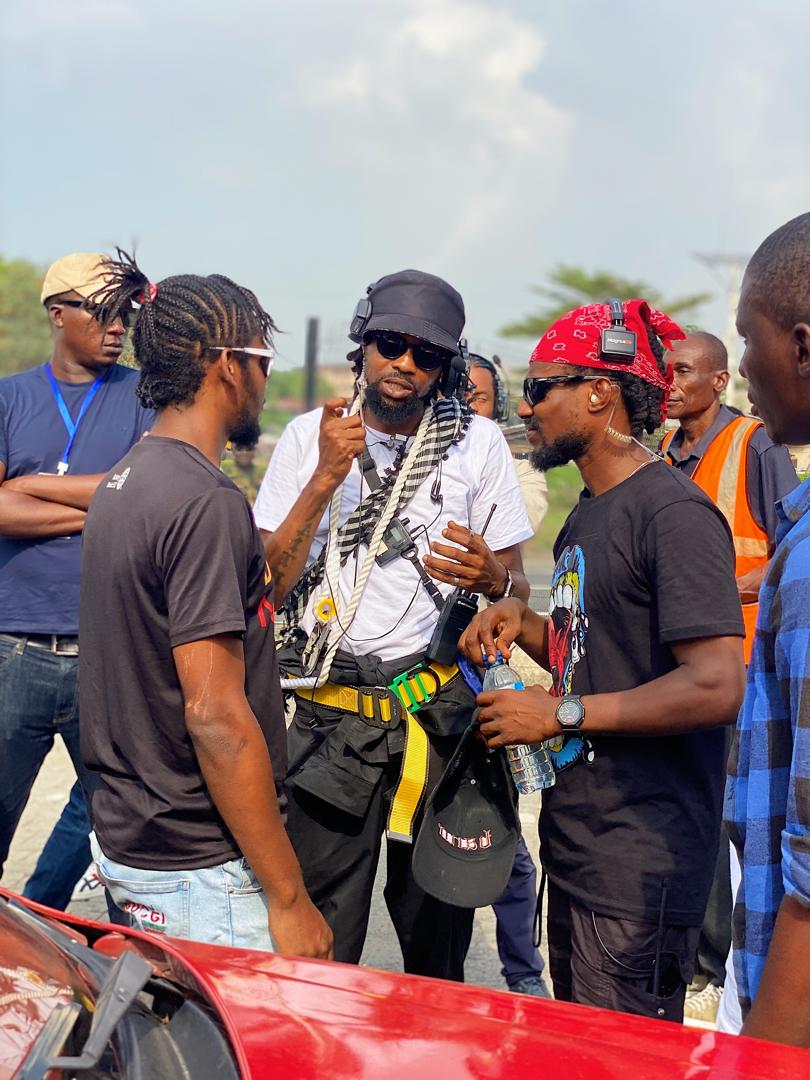
For many people, hearing the title "first assistant director" immediately creates the impression that the job is simply about assisting the director. According to Ade Oshin, that is one of the biggest misconceptions about the role.
Using an analogy, he described the production as a car. While the director is the driver taking everyone towards the vision, the first assistant director is the engine that keeps everything moving.
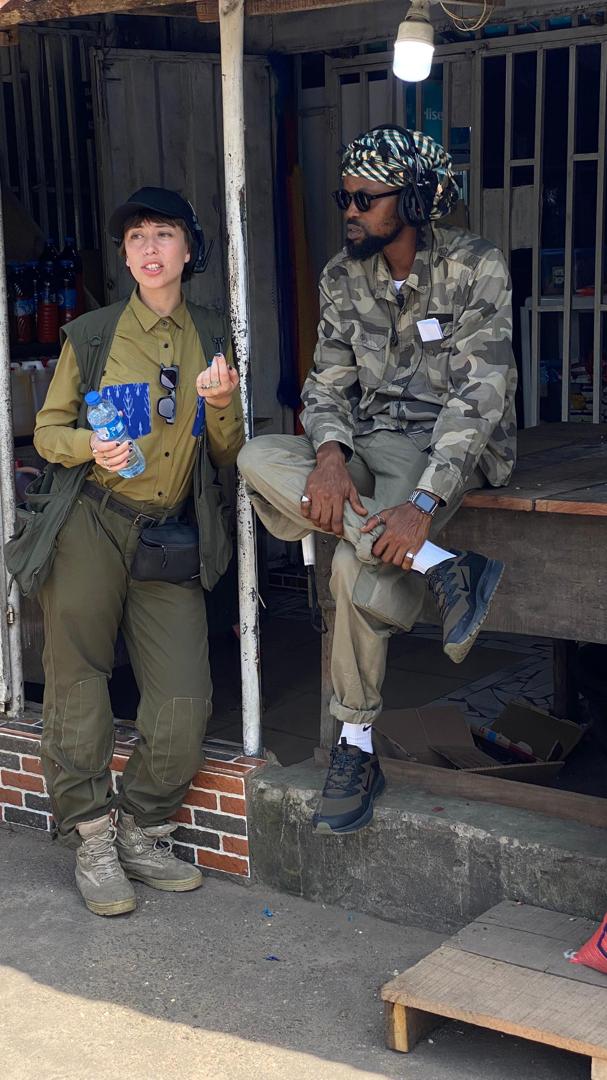
He explained that a first assistant director is responsible for managing all the moving parts of a production, ensuring that departments work together and making sure the script is successfully translated onto the screen.
In his words, the role goes far beyond simply assisting the director. It is about leadership, coordination and making sure everyone is working towards one goal.
A Journey That Started From the Bottom
Ade's journey into filmmaking began around 2009 and 2010. Having sisters who were already in the industry exposed him to filmmaking, and he initially worked as an extra while trying to find his path.
His first major opportunity came when he interned on Tinsel , where he worked with the editing department. That experience made him fall in love with editing and eventually led him to EbonyLife TV, where he worked as a junior editor.
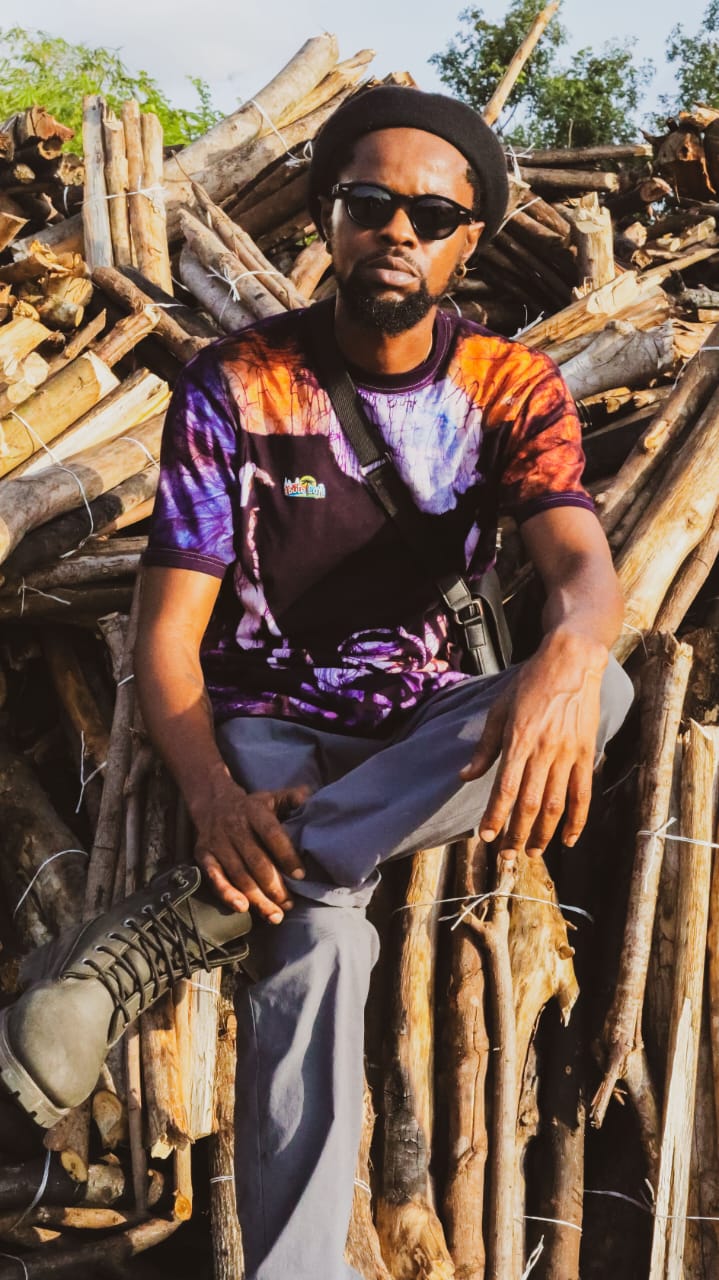
Over the years, he expanded his knowledge, gaining experience in camera operation, production management and associate producing.
His transition into assistant directing happened while working on Render to Caesar. Attached to the assistant director's department, he found himself learning on the job and quickly developed a deep appreciation for the process.
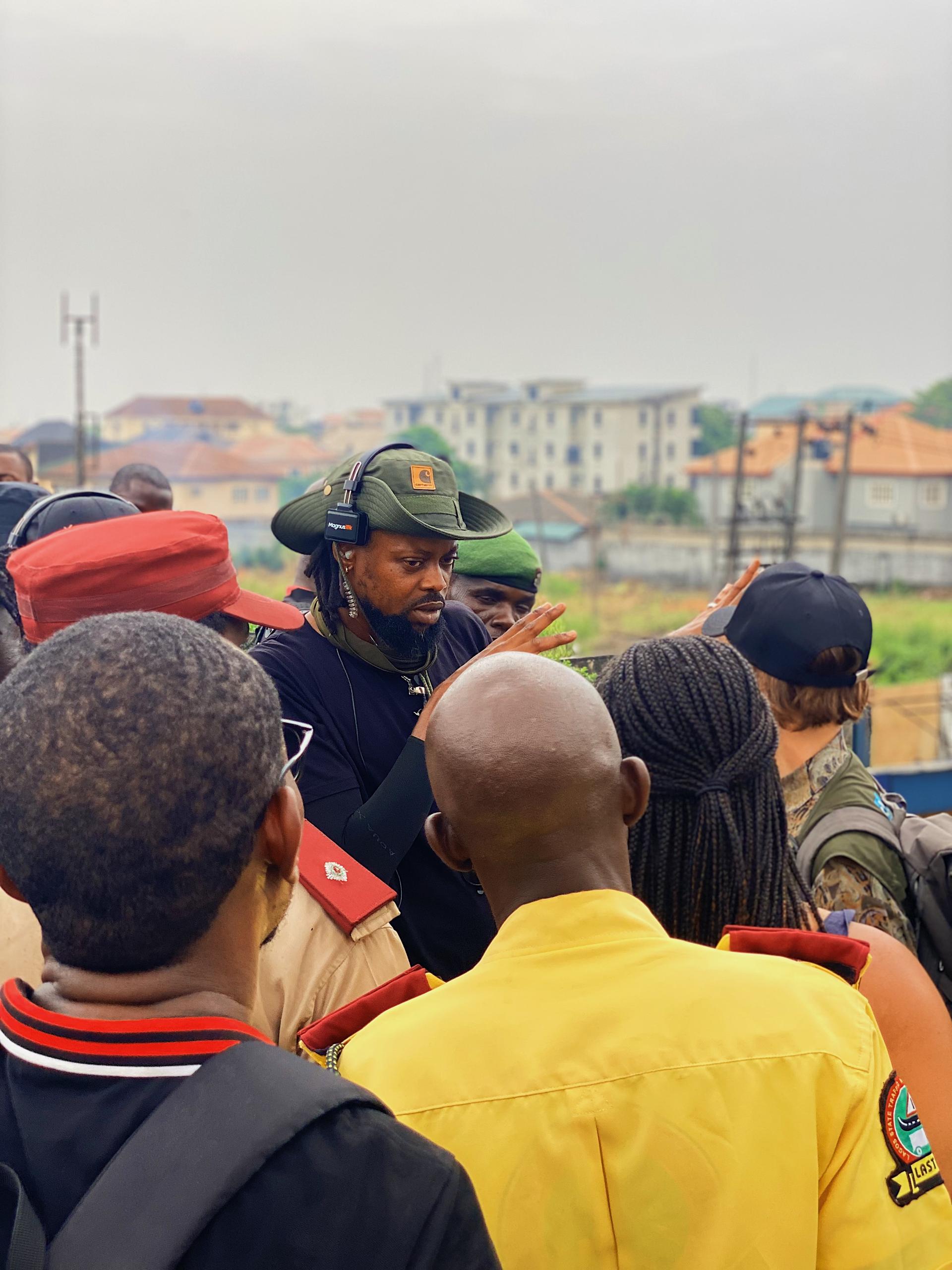
Interestingly, Ade revealed that everything he knows about assistant directing was self-taught.
He learned through experience, mistakes and difficult productions that challenged him to grow.
When Filmmaking Became More Than a Career
One of the most touching moments during the conversation was when Ade spoke about a difficult period in his personal life.
As he was transitioning out of his marriage, he found himself dealing with pain, disappointment and uncertainty. Instead of allowing those emotions to consume him, he poured his energy into filmmaking.
According to him, filmmaking saved him.
The profession gave him something to focus on and prevented him from sinking into depression. What started as a distraction gradually became his purpose.
He described the process as converting negative energy into something positive.
As he continued to improve and receive recognition for his work, he became even more determined to master his craft.
Today, he looks back on those experiences with gratitude, believing that both the good and bad moments in his life contributed to the person he has become.
Why His Different Experiences Matter
Before becoming a first assistant director, Ade had worked in several departments.
He was an editor.
He handled cameras.
He worked as a production manager.
He became an associate producer.
For him, those experiences are the reason he understands filmmaking from different angles.
Because he understands what happens at the end of the process through editing, he is able to see the final picture while still on set. His experience managing crew members and budgets also helps him understand how every department functions.
Rather than seeing those different roles as separate experiences, Ade believes they all contributed to making him a better first assistant director.
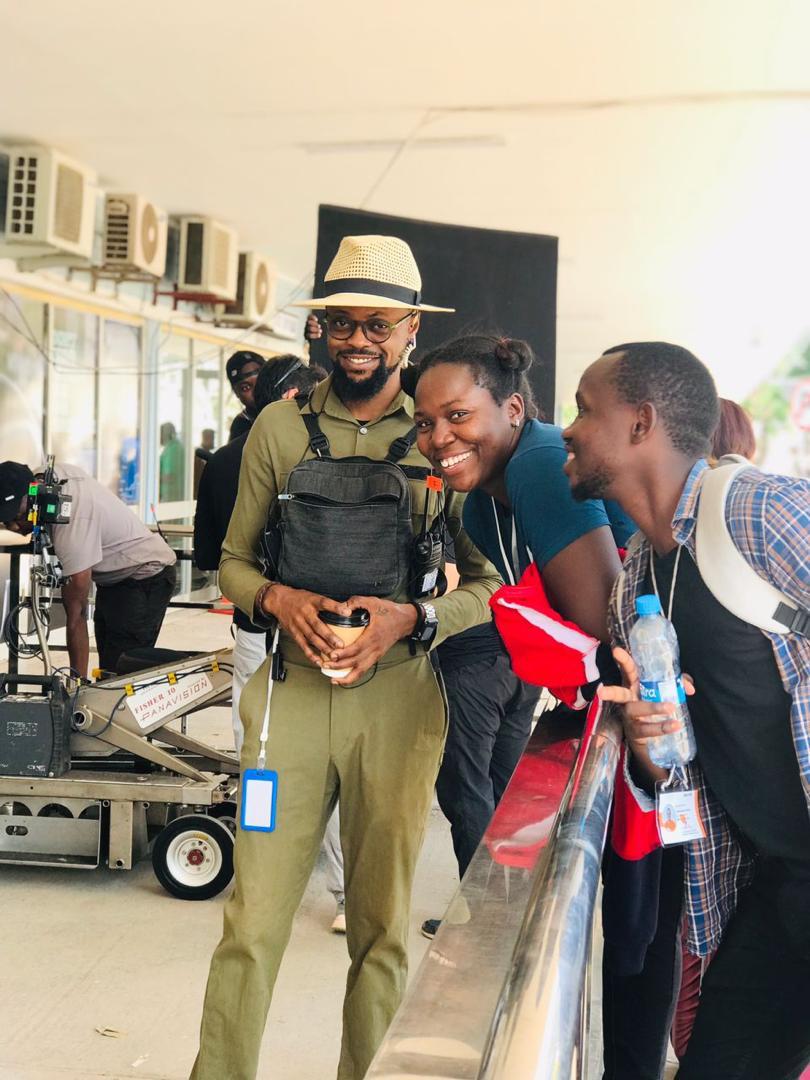
Fighting for Better Working Conditions in Nollywood
One subject Ade spoke passionately about throughout the interview was the need for standard working conditions in the industry.
According to him, when he first entered Nollywood, there were virtually no standards.
Long working hours were seen as normal, and many crew members believed exhaustion was simply part of the job.
But after studying international practices and speaking with professionals around the world, he became convinced that things could be done differently.
Since 2018, Ade has been one of the loudest advocates for the 12-hour rule.
For him, healthy working conditions are not a luxury. They are necessary.
He believes crew members deserve proper turnaround times, overtime compensation and enough rest to perform at their best.
Although his stance has cost him opportunities and made some producers reluctant to work with him, he has remained committed to the cause.
His belief has always been simple:
If filmmakers are treated with dignity and respect, the quality of the films will improve.
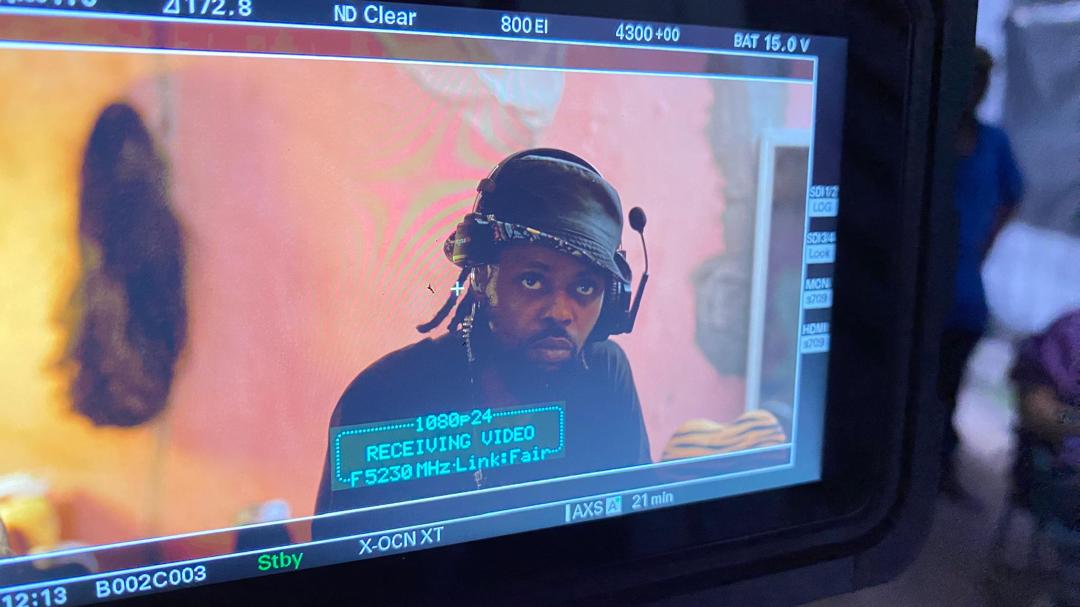
The Success of My Father's Shadow
Among the many projects he has worked on, My Father's Shadow holds a special place in his heart.
As first assistant director, Ade was determined to prove that Nigerian productions could operate according to international standards.
Together with the producers and crew, he ensured that proper working hours and professional practices were observed.
From educating crew members about time sheets to regularly counting down the remaining hours on set, everything was done intentionally.
According to him, the atmosphere on set felt like family.
Everyone understood that they were working on something bigger than themselves.
For Ade, the success of My Father's Shadow serves as proof that working on standard does not limit creativity. Instead, it enhances it.
He considers the film a major victory, not just for himself, but for the entire Nigerian film industry.
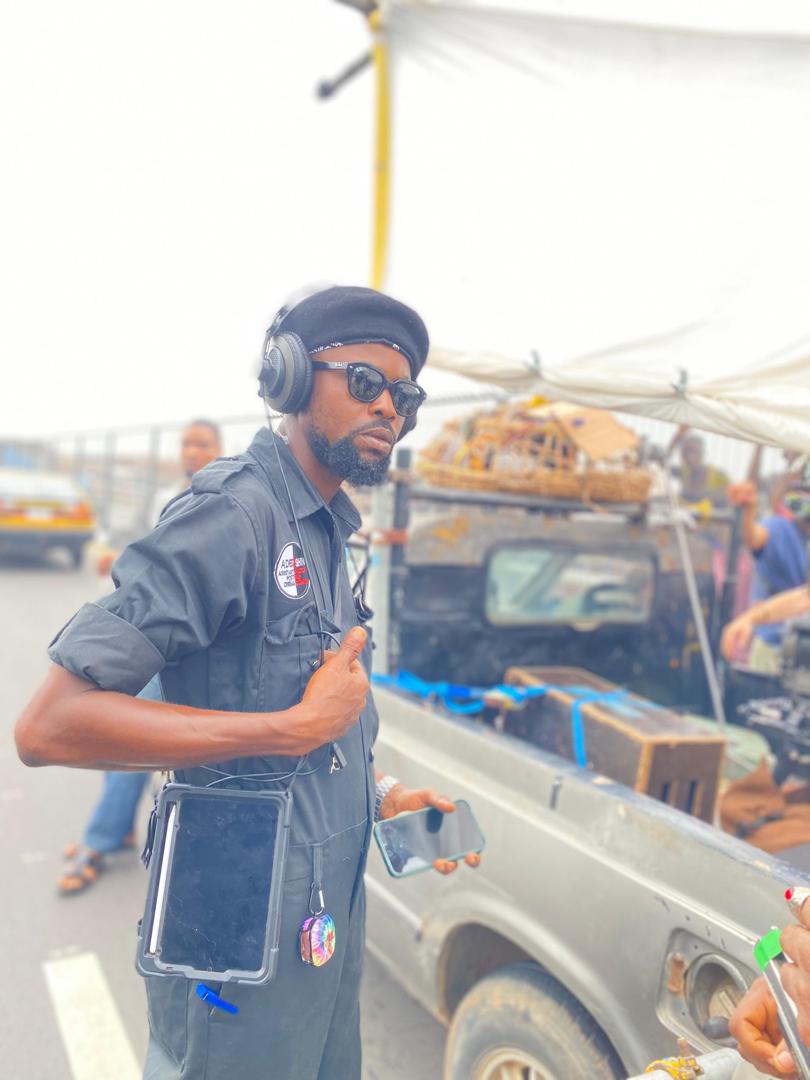
Leadership Is About People
While schedules and logistics are important, Ade believes the biggest challenge of being a first assistant director is managing people.
Productions involve different personalities, opinions and emotions.
For him, leadership is about bringing everyone together and ensuring that they remain focused on the same objective.
He believes emotional intelligence is one of the most important qualities a leader should possess.
Rather than relying on fear or aggression, he believes in understanding people and creating an environment where everyone feels valued.
According to him, once there is division on set, the work becomes much harder.
But when people work together, incredible things become possible.
Shining a Light on Those Behind the Camera
Another issue that matters deeply to Ade is the recognition of crew members.
He believes the people behind the camera are often overlooked despite contributing so much to the success of productions.
This desire to support and celebrate crew members led him to establish the Nigerian Film Crew Community (NFCC), a platform that currently consists of more than one thousand filmmakers.
The community focuses on networking, learning and helping crew members become better professionals.
For Ade, those behind the scenes deserve to be celebrated just as much as those in front of the camera.
His Love for the Younger Generation
Contrary to the belief that younger filmmakers underestimate discipline and hard work, Ade had nothing but praise for Gen Z creatives.
According to him, the younger generation is "on fire."
He believes they are making good use of technology and have access to tools that previous generations did not have.
Rather than criticizing them, he expressed pride in what they are achieving and believes they represent the future of the industry.
Looking Towards the Future
At the moment, Ade is working in Morocco on another international production and is excited about the opportunities ahead.
He has also worked on internationally acclaimed projects like On Becoming a Guinea Fowl and My Father's Shadow, both of which premiered at Cannes.
Despite his busy schedule, he hopes to eventually write a book, produce a documentary and host seminars and masterclasses where he can share his experiences with future filmmakers.
For someone who prefers to let his work speak for itself, he admits that telling his story is important.
Not for personal glory, but so that future generations can learn from his journey.
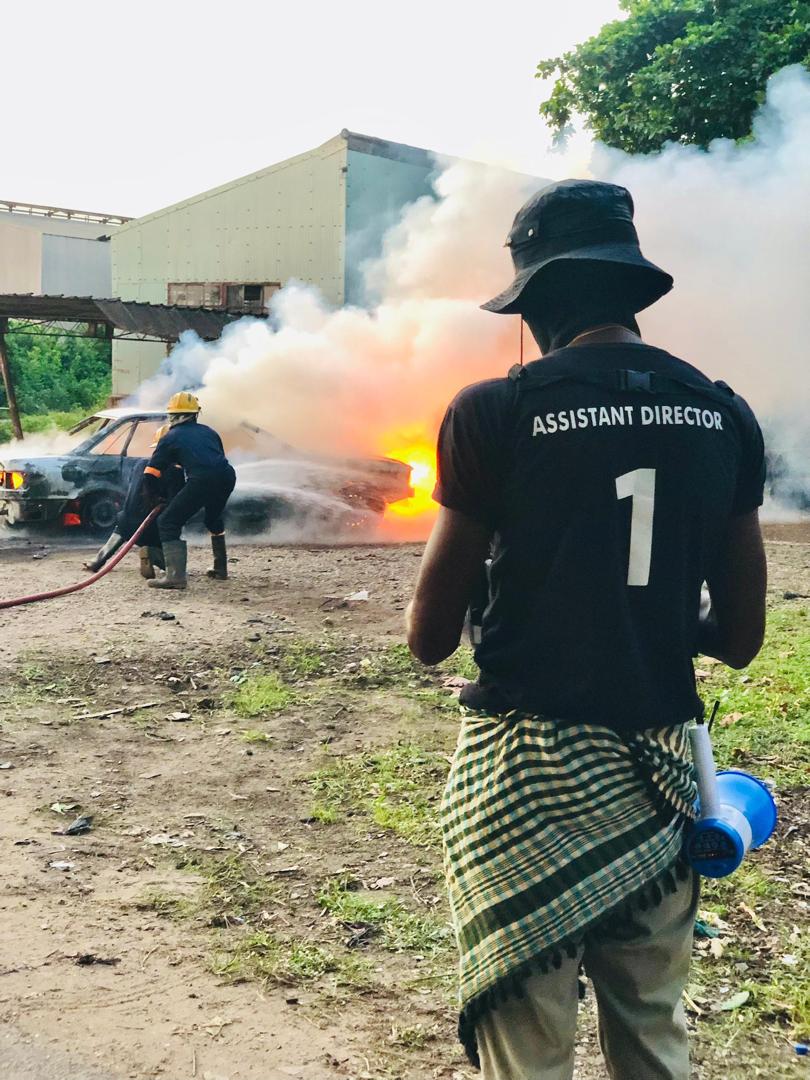
The Legacy He Wants to Leave Behind
When asked what he hopes Nigerians will remember him for Greatness.
He wants to be remembered as someone who stood for standards.
Someone who practiced what he preached.
Someone who proved that excellence is possible.
Someone who fought for better working conditions.
Someone who inspired others.
And above all, someone who left the industry better than he met it.
Listening to Ade Oshin speak, one thing becomes clear.
His story is not simply about filmmaking.
It is a story about resilience.
It is a story about purpose.
It is a story about believing in something strongly enough to keep fighting for it.
And perhaps, years from now, when conversations about professionalism and standards in Nollywood are being held, Ade Oshin's name will be remembered as one of the voices that helped push the industry forward.
A man who chose not just to talk about greatness, but to pursue it.
Interview by Mary Anja
Mary@staypinched.com
- Ade Oshin
- First AD
- Movie Director
Tip: highlight any line in the story to turn that line into a share card.
Frequently asked
- What is “Pioneering Nollywood's 12-Hour Rule: First AD Ade Oshin on Enforcing Crew Standards and Redefining African Filmmaking.” about?
- When people think about filmmaking, their minds often go straight to actors and directors. But behind every film that we love are people working tirelessly behind the scenes to make sure everything comes together.
- Who covers film on PINCHED?
- Mary Anja reports this piece for the PINCHED film desk.
- Where can I read “Pioneering Nollywood's 12-Hour Rule: First AD Ade Oshin on Enforcing Crew Standards and Redefining African Filmmaking.”?
- Read it in full at https://staypinched.lovable.app/read/pioneering-nollywood-s-12-hour-rule-first-ad-ade-oshin-on-enforcing-crew-standar.