30 Health Benefits of Bitter Kola: The Indigenous Remedy Nigerians Have Trusted for Generations
From immune support to liver health, here are 30 real, sourced benefits of bitter kola, and the safety facts most viral posts leave out.
Choose your narrator
In short
Bitter kola (Garcinia kola) offers 30 documented and traditional health benefits, including immune support, anti-inflammatory effects, digestive aid, liver protection, and natural energy, thanks to compounds like Kolaviron, Vitamin C, and antioxidants found almost exclusively in the nut.
- Desk:
- on the sport
- Format:
- article
- Author:
- Praise_writes
Long before wellness influencers discovered adaptogens and superfoods, Nigerian elders were already chewing bitter kola for exactly the same reasons, energy, immunity, and long life.
Known scientifically as Garcinia kola, this small, intensely bitter nut is having a genuine moment online, with searches for its benefits spiking as modern fitness and wellness culture rediscovers an indigenous remedy that never actually went away.
Here are 30 real, sourced health benefits of bitter kola, organised by category, plus the safety facts most viral posts leave out.

What Is Bitter Kola, Exactly?
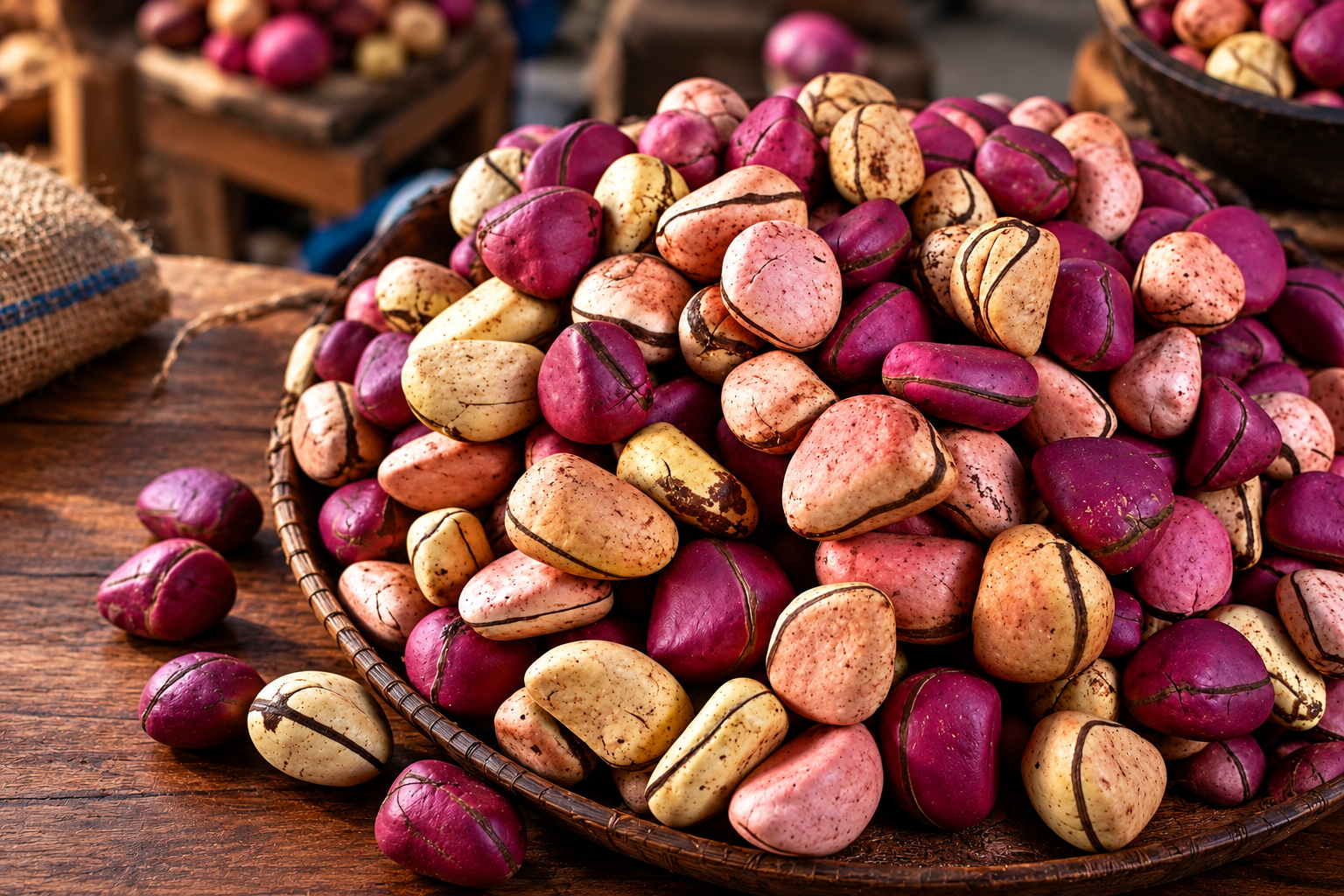
Bitter kola is the seed of the Garcinia kola tree, native to West and Central Africa, and known locally as Orogbo in Yoruba, Miji-goro in Hausa, and Akiilu in Igbo. It is found across Nigeria, Cameroon, Ghana, Ivory Coast, and several other West African nations, and remains an economically important crop for many rural communities.
It's been chewed for generations, particularly by elders who believed it supported longevity, and it holds cultural weight beyond nutrition, often offered to guests as a gesture of hospitality and used in traditional ceremonies.
What's changed recently isn't the plant itself, it's that modern research is finally catching up to what traditional medicine has claimed for decades.
Immune Support and Antioxidant Benefits
This is where most of the scientific backing is strongest, bitter kola's nutrient and antioxidant profile genuinely holds up under research scrutiny.
1. Rich in Vitamin C, supporting the immune system's natural defences.
2. Loaded with antioxidants like flavonoids, anthocyanins, and phenolic acids that fight free radical damage.
3. Contains unique protective compounds, Kolaviron, Garcinianin, and Gakolanone, found almost exclusively in bitter kola.
4. May help the body resist common colds and seasonal infections.
5. Supports faster recovery from minor infections, per WebMD's coverage of early clinical research.
Anti-Inflammatory and Pain Relief
Long before anti-inflammatory supplements became a wellness trend, this was one of bitter kola's most common traditional uses.
6. Contains natural anti-inflammatory compounds that inhibit the enzymes responsible for swelling and pain.
7. Traditionally chewed to relieve knee and joint pain associated with arthritis.
8. May reduce swelling linked to fevers and general body aches.
9. Used traditionally to ease symptoms of rheumatism across West Africa.
Infection-Fighting Properties
10. It helps combat bacterial and viral infections, including coughs.
11. Contains Kolaviron, which research suggests is effective against the malaria parasite.
12. Traditionally used to help manage symptoms linked to hepatitis.
13. Believed to help fight the common cold faster than resting alone.
Digestive Health
Digestive support is one of the more consistently reported benefits across both traditional and modern sources.
14. Stimulates the secretion of digestive enzymes, aiding nutrient absorption.
15. May relieve bloating and general indigestion.
16. Contains tannins with recognised anti-diarrhoea effects.
17. Traditionally used as a natural appetite stimulant.
Liver and Detox Support
Liver protection is another area where folk use and early research findings overlap closely.
18. May support liver health through the production of detoxifying enzymes.
19. Linked traditionally to glycogen breakdown in the liver, part of why elders associated it with longevity.
Respiratory Health
20. May help open airways thanks to its anti-inflammatory action.
21. Traditionally chewed to relieve chest congestion and asthma-related discomfort.
Energy, Focus, and Mental Alertness
This is arguably the benefit most people already know intuitively, even before reading a single study, since it's the reason bitter kola gets chewed during long nights or early mornings in the first place.
22. Acts as a mild natural stimulant, similar in effect to caffeine, which is part of why it's chewed for an energy boost.
23. May sharpen focus and short-term mental clarity.
24. Antioxidant content is linked to supporting general brain health over time.
Weight and Metabolism
This is one of the more heavily searched, and more heavily hyped, categories online, so it's worth reading with appropriate caution.
25. Traditionally believed to help suppress appetite, supporting portion control.
26. May support metabolism through its bioactive plant compounds.
Nutritional Value
27. A source of key minerals including potassium, calcium, phosphorus, and iron.
28. Contains carbohydrates, protein, and healthy fats, contributing real nutritional value, not just folk medicine.
Cultural and Traditional Uses
29. Used traditionally as an aid for people trying to cut down on smoking, chewed to curb cravings.
30. Traditionally believed in many communities to support male vitality, a belief passed down for generations, though this specific claim has limited direct clinical backing.

How Nigerians Traditionally Consume It
There's no single correct way to use bitter kola, and that flexibility is part of why it's stayed relevant across generations.
Raw, the most traditional method, chewed directly, often shared as a gesture of welcome to visitors
As tea, brewed in hot water for a milder, less intensely bitter option
Ground into powder and mixed into smoothies or other foods
In capsule or extract form, increasingly available as a modern supplement for people who dislike the taste
The Safety Facts Most People Skip
Bitter kola isn't risk-free, and treating it like an unlimited superfood is where most online advice goes wrong. The most commonly reported side effects include:
Insomnia and restlessness, due to its natural caffeine content
Increased heart rate and worsened blood pressure in people with existing hypertension
Gastrointestinal irritation when taken in large amounts or on an empty stomach
Medication interactions, particularly with heart medication, blood thinners, and diabetes drugs

Pharmacist John Louis Okoh Amalii specifically warns that "people with heart problems, anxiety, or insomnia should avoid bitter kola," noting its caffeine content can overstimulate the heart and worsen anxiety.
There is also no confirmed safety data for pregnancy, and traditional caution exists in many communities around its use during pregnancy or breastfeeding. Anyone on medication, pregnant, or managing a heart condition should speak with a doctor before making it a regular habit.
The safest approach, echoed across every credible source, is treating bitter kola as a food-level supplement rather than a medical treatment. It can genuinely support general wellness alongside a balanced diet, but it isn't a replacement for prescribed medication or professional medical care, especially for serious conditions like malaria, hepatitis, or chronic hypertension.
Bitter kola's staying power isn't an accident, it's a genuine case of indigenous knowledge holding up under modern scientific scrutiny, even if not every traditional claim has been formally tested yet.
Used in moderation and with the right precautions, it remains one of West Africa's most enduring natural remedies.
Frequently Asked Questions
1. Is bitter kola good for daily consumption?
In small amounts, many people consume it regularly without issue, however due to its caffeine-like stimulant content, moderation matters, and it's best avoided late in the day to prevent sleep disruption.
2. What is bitter kola called in Nigerian languages?
It's known as Orogbo in Yoruba, Miji-goro in Hausa, and Akiilu in Igbo.
3. Can bitter kola cure malaria?
No single food cures malaria. However, research on its Kolaviron compound has shown effectiveness against the malaria parasite in studies, making it a supportive, not standalone, remedy.
4. Is bitter kola safe during pregnancy?
There's no confirmed safety data for pregnancy, and traditional warnings exist in several communities, so it's best to consult a doctor before consuming it while pregnant or breastfeeding.
5. Does bitter kola contain caffeine?
Yes, it contains natural caffeine-like stimulant compounds, which is why it's traditionally chewed for an energy and alertness boost, and also why it can cause insomnia or restlessness if consumed late in the day or in large amounts.
- Bitter Kola Benefits
- Garcinia Kola
- Indigenous Nigerian Remedies
- Natural Health Nigeria
- Bitter Kola Side Effects
Tip: highlight any line in the story to turn that line into a share card.
Frequently asked
- What is “30 Health Benefits of Bitter Kola: The Indigenous Remedy Nigerians Have Trusted for Generations” about?
- Long before wellness influencers discovered adaptogens and superfoods, Nigerian elders were already chewing bitter kola for exactly the same reasons, energy, immunity, and long life. Known scientifically as Garcinia… From immune support to liver health, here are 30 real, sourced benefits of bitter…
- Who covers on the sport on PINCHED?
- Praise_writes reports this piece for the PINCHED on the sport desk.
- Where can I read “30 Health Benefits of Bitter Kola: The Indigenous Remedy Nigerians Have Trusted for Generations”?
- Read it in full at https://staypinched.site/read/long-before-wellness-influencers-discovered-adaptogens-and-superfoods-nigerian.