How the Gen Z Is Rewriting the Culture They Were Told to Preserve
They were told to preserve Nigerian culture. Instead, they are remixing it. Across fashion, music, language and social life, Gen Z is proving that tradition does not have to remain unchanged to remain alive.
Choose your narrator
In short
Nigerian Gen Z is rewriting culture by remixing traditional elements across fashion, music, language, and social life, proving that heritage can evolve to remain relevant and alive.
- Desk:
- culture
- Format:
- article
- Author:
- Pinched Desk
There was a time when looking modern meant looking away from home.
The sharper the suit, the more Western the cut. The cooler the sneaker, the less likely anyone was to ask where it came from. Traditional clothes belonged to weddings, funerals, chieftaincy ceremonies and Christmas visits to the village. Aso-oke had its occasions. Agbada had its occasions. Isiagu had its occasions. Adire had its occasions.
And then something changed.
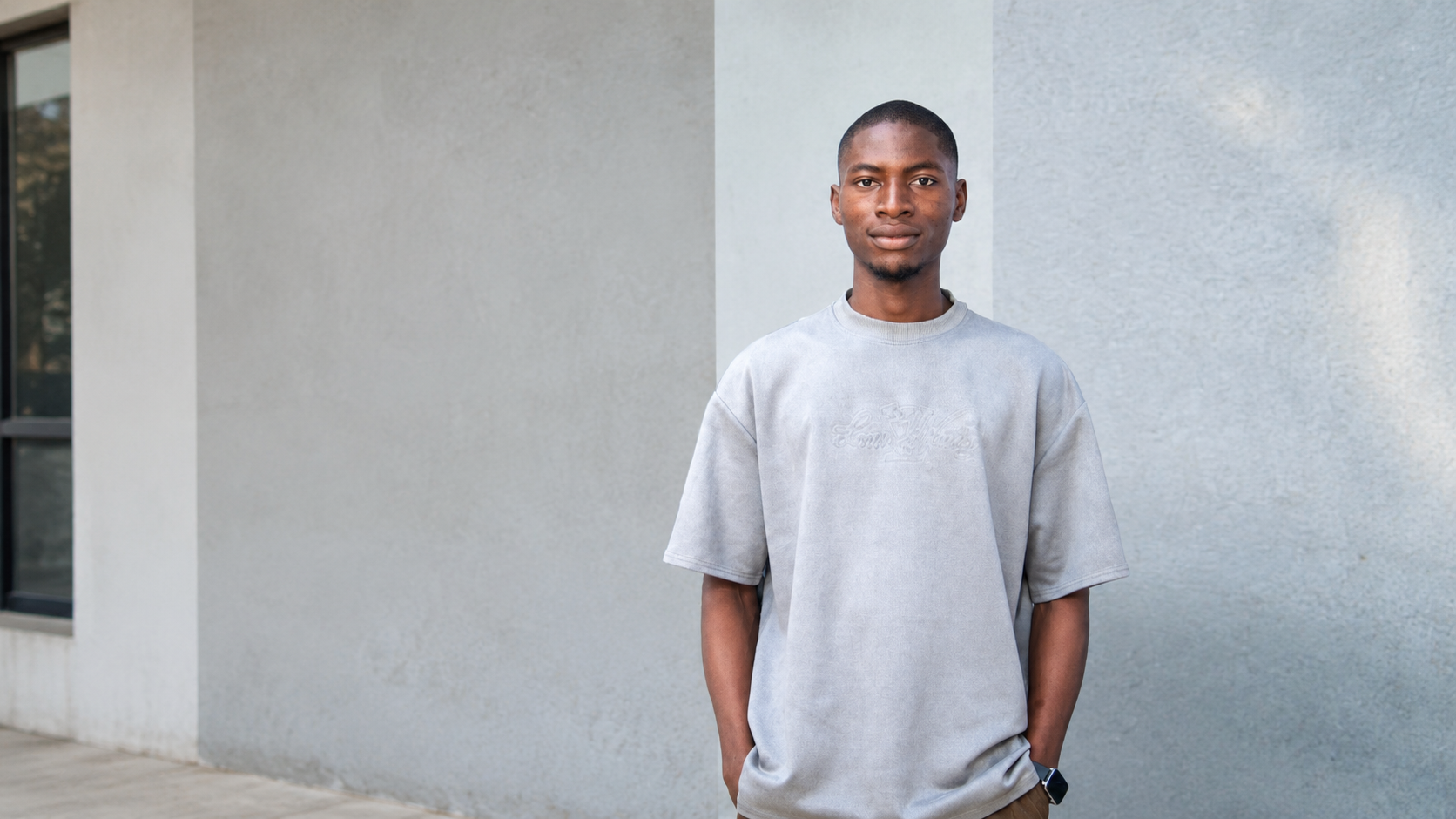
The young Nigerian began wearing the culture differently.
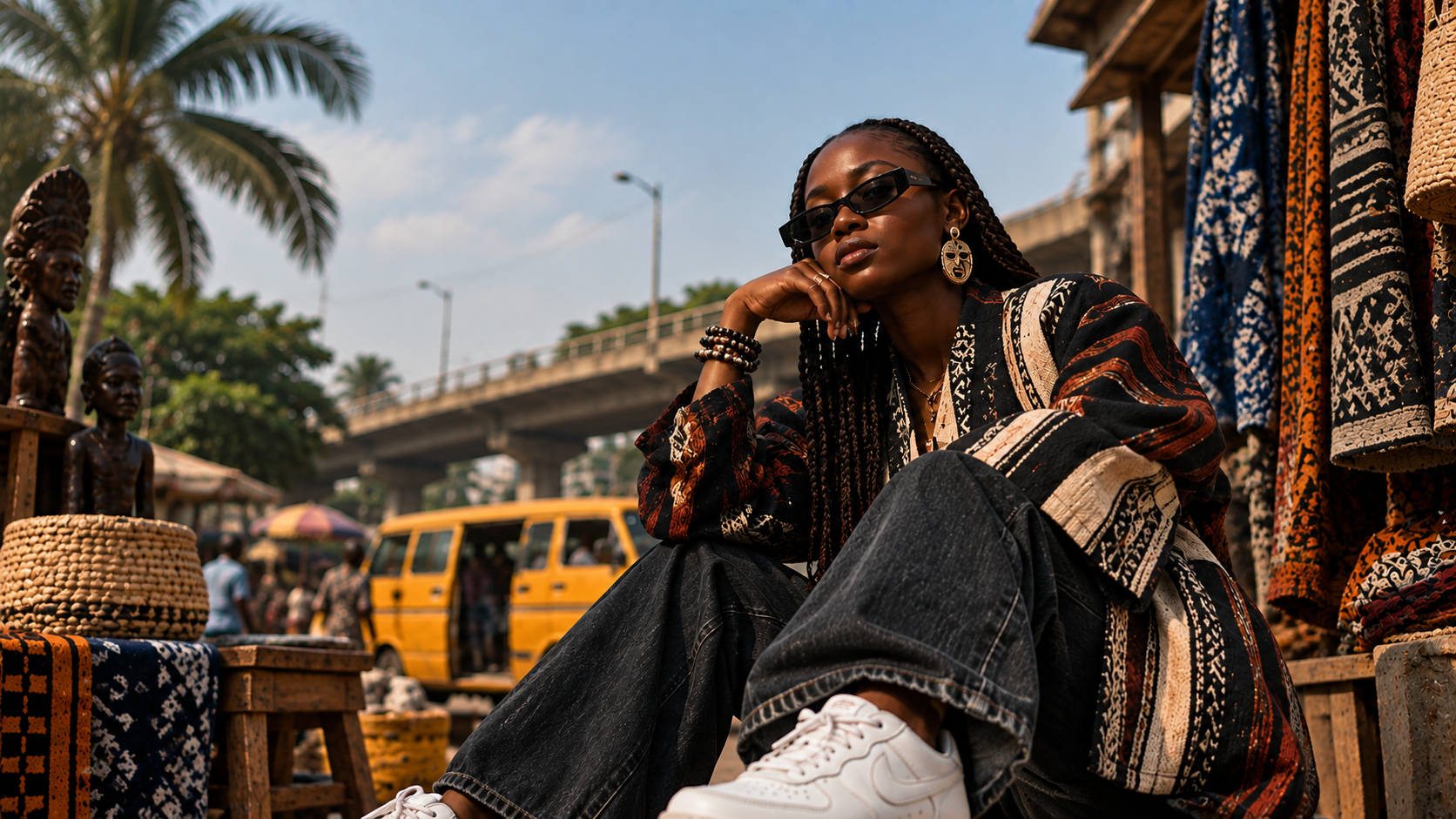
Aso-oke appeared in jackets. Ankara moved into streetwear. Adire found its way onto trousers, shirts and accessories. Isiagu stopped waiting for ceremonies and started appearing in everyday styling. Traditional silhouettes began meeting oversized streetwear, sneakers, vintage sunglasses and contemporary tailoring.
The culture did not disappear. It changed clothes. That may be the most important thing happening in Nigerian culture right now.
Generation Z is not necessarily trying to preserve Nigerian culture in the way previous generations understood preservation. They are not placing it behind glass. They are not treating heritage as something that must remain untouched to remain authentic.
They are wearing it.Remixing it. Filming it. Selling it. Sampling it. And, increasingly, making it cool.
CULTURE WAS NEVER SUPPOSED TO STAND STILL
The argument about young Nigerians and culture is often framed incorrectly.
Older generations sometimes worry that technology, Western entertainment, social media and global fashion are washing away Nigerian identity. Younger people, meanwhile, often see themselves as simply living in a world where Nigerian identity has to coexist with everything else. Both perspectives contain some truth. But culture has never been static.
It survives precisely because people keep using it. A traditional textile that remains exactly as it was may preserve history, but a textile that finds a new generation of wearers becomes living culture. A language that is spoken only in formal settings may be preserved, but a language that appears in music, jokes, memes and everyday conversations continues to evolve. The same principle applies to fashion, music, food, festivals and social rituals.
Nigeria's current cultural movement is therefore less about preservation versus modernity and more about translation. Young Nigerians are asking a different question:
What does this mean to me now?
That question is changing everything.
THE ASO-OKE EFFECT
Consider aso-oke.
For generations, the handwoven Yoruba textile carried a strong association with ceremony, prestige and identity. It belonged naturally at weddings, festivals, chieftaincy events and other major occasions.
But the boundaries have begun to move.
Contemporary Nigerian designers are using aso-oke in jackets, dresses, trousers, coats, bags and other modern silhouettes. Recent fashion coverage has documented its movement from primarily ceremonial clothing into contemporary and everyday fashion.
The transformation is significant because the young wearer is not necessarily saying, “I want to dress traditionally.”
The message can be much simpler:
“I like this.”
That is a powerful cultural shift.
Aso-oke no longer needs a ceremony to justify its existence.
It can be fashion.
And there is something bigger happening underneath that transformation. Demand for aso-oke has been rising both within Nigeria and internationally, while artisans in Iseyin continue to defend the handwoven process that gives the textile its distinctive character. In other words, something deeply traditional is finding new relevance without necessarily becoming less traditional.
That is the new Nigerian formula:
Keep the soul. Change the shape.
THE TAILOR IS PART OF THE CULTURAL REVOLUTION
There is another character in this story who rarely gets enough attention.
The Nigerian tailor. Before Instagram aesthetics and TikTok fashion edits, there was the neighbourhood tailor who could turn a piece of fabric into almost anything. Now that same creative instinct is meeting a generation that is more visually adventurous.
The result is a fascinating hybrid. A young Nigerian may take an Ankara fabric associated with family gatherings and turn it into a cropped jacket. Someone may combine traditional embroidery with denim. A designer may reinterpret a familiar Nigerian silhouette with a completely contemporary cut. Recent Nigerian fashion coverage has captured precisely this movement: traditional fabrics and styles are increasingly being combined with modern silhouettes and streetwear rather than being confined to ceremonial dressing. The implication is enormous. The Nigerian fashion industry does not always need to choose between African and modern. It can be both.
THE STREET IS BECOMING THE NEW CULTURAL MUSEUM
Walk through the right parts of Lagos or Abuja and you begin to see something that does not look like a museum version of Nigeria.
You see a living one.
Baggy trousers.
Vintage pieces.
Locally made accessories.
Adire.
Sneakers.
Graphic shirts.
Traditional jewellery.
Isiagu.
Aso-oke.
Second-hand fashion.
African prints.
Global silhouettes.
It is not always neat. It is not supposed to be.
This is culture in motion. Nigeria's emerging alternative and streetwear scenes demonstrate how younger creatives are increasingly using clothing as a language of identity rather than simply as a marker of tradition or status.
That distinction matters. The older cultural wardrobe often told people who you were.
The new wardrobe increasingly tells people who you are becoming.
And those are not necessarily the same thing.
THEN THERE IS MUSIC
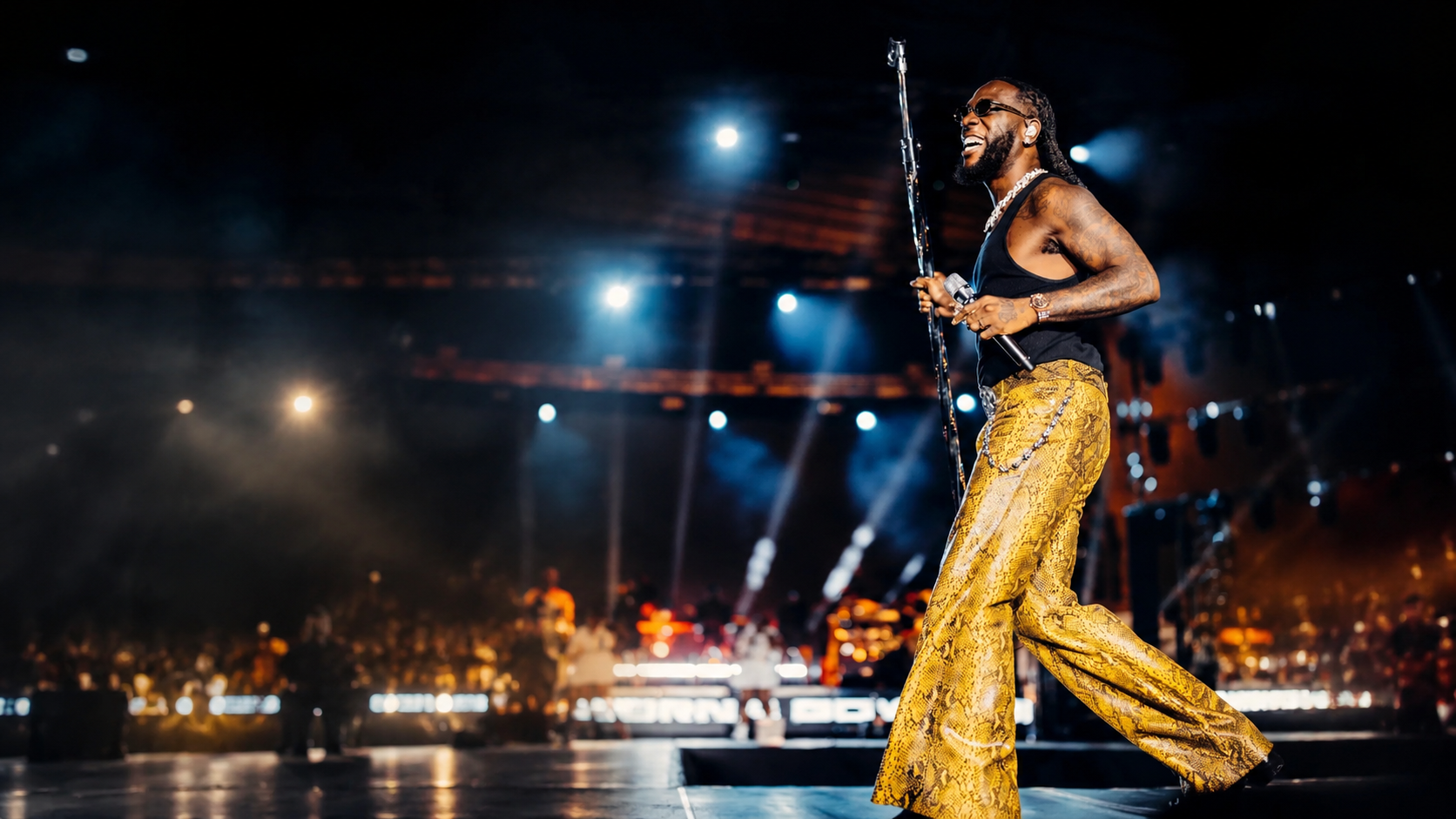
If fashion is the body of the new Nigerian cool, music is its bloodstream.
Afrobeats did not merely become successful because Nigerians made good music.
It became powerful because it transformed Nigerian cultural references into something the world could consume without requiring Nigerians to abandon themselves first.
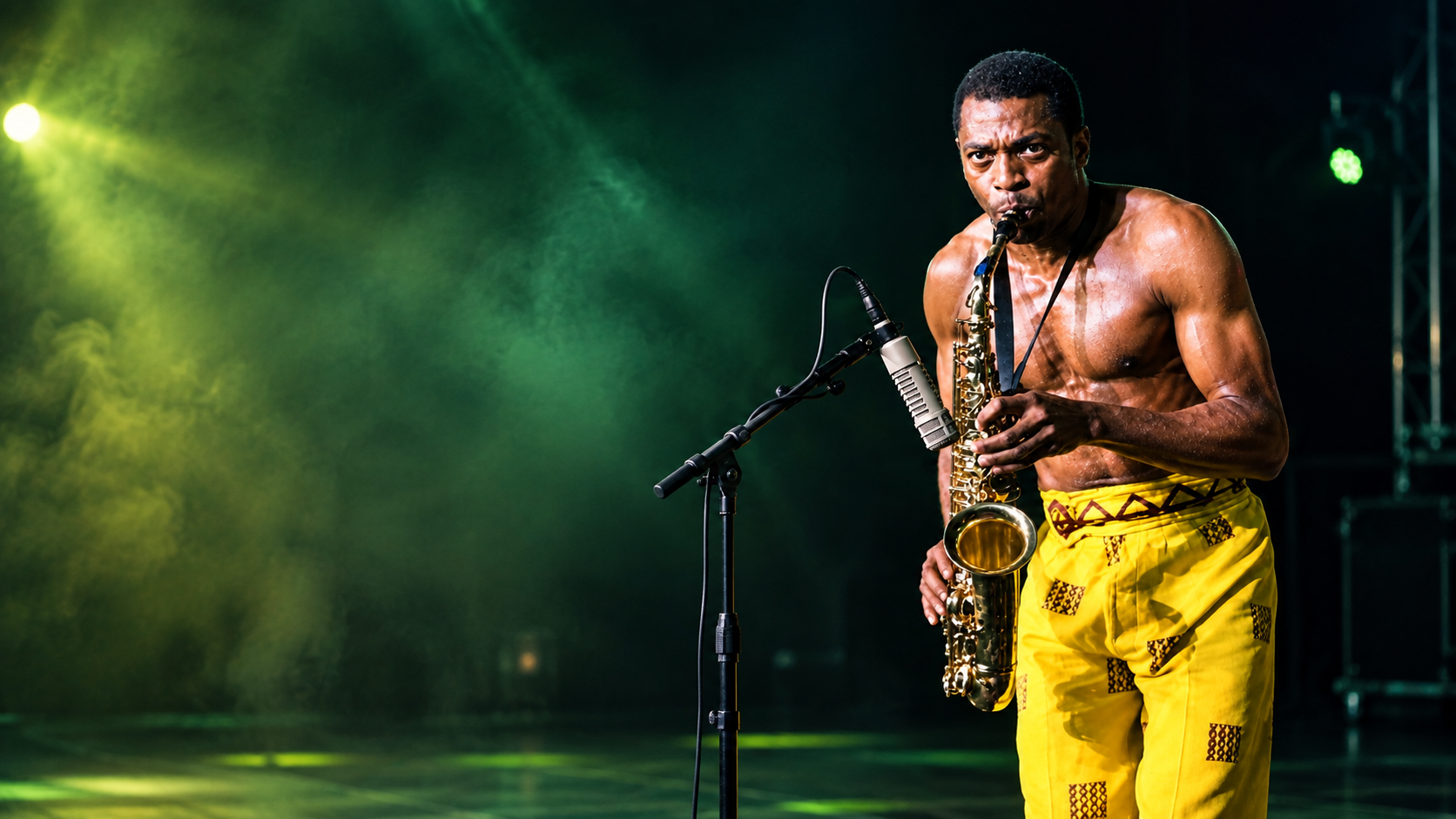
The evolution continues. Young Nigerian artists have become increasingly comfortable mixing indigenous languages, street expressions, traditional rhythms, global sounds, electronic influences and entirely new forms of production.
The result is not a single Nigerian sound.
It is a constantly expanding ecosystem.
And this matters because music teaches young people something important about culture:
You can take something from home and take it somewhere else.
You do not have to choose between authenticity and global relevance.
You can carry both.
THE INTERNET CHANGED WHO GETS TO DEFINE CULTURE
Perhaps the biggest revolution, however, is not fashion or music.
It is distribution. For much of Nigeria's history, cultural authority was concentrated.
Parents taught children.Elders interpreted tradition.
Institutions determined what was considered respectable.
Television and newspapers helped decide what entered the mainstream.
That hierarchy has been disrupted.Today, a teenager with a phone can influence how thousands of people dress, speak, dance, eat or think about a particular cultural practice.
Research into Nigerian youth culture has found that social media influencers increasingly shape young people's fashion, lifestyle preferences, cultural orientation and identity.
That changes the economics of cultural influence.
You no longer need a television programme to start a trend.
You need a camera, an idea and an audience.
A fashion designer in Lagos can inspire someone in London.
A musician in Benin can find listeners in New York.
A Nigerian food creator can make a traditional dish part of someone's global food vocabulary.
A young person can discover an aspect of their own heritage online that they never encountered at home.
The internet has therefore created a strange cultural paradox:
Globalisation is making Nigerians more globally connected while, in some cases, making them more curious about what makes them Nigerian.
THE RETURN OF WHAT WE ALMOST LOST
This may explain one of the most interesting contradictions in Nigerian youth culture.
The more global young Nigerians become, the more some of them seem interested in rediscovering local identity.
A generation raised on American movies, Korean fashion, British football, global pop music and international social media trends is simultaneously rediscovering indigenous fabrics, names, languages, foods, festivals and aesthetics.
Why?
Because globalization eventually creates a question:
What makes me different?
When everybody has access to the same global trends, identity becomes valuable.
A sneaker may be global.
But the way you wear it with an indigenous textile can make it yours.
A global music genre may be available everywhere.
But the language, rhythm, slang and experience you put into it can make it Nigerian.
This is why Nigerian culture does not have to compete with global culture.
It can enter the global conversation on its own terms.
FROM OWAMBE TO CONTENT
Even Nigerian social life is being transformed.
The Nigerian party has always been more than a party.
It is fashion show, family reunion, networking event, status display, photography session, food festival and cultural performance rolled into one.
But social media has amplified it.
The outfit is no longer simply something you wear to an event.
It is content.
The entrance is content.
The dance is content.
The aso-ebi is content.
The decoration is content.
The food is content.
The guests are content.
The result is that Nigerian celebrations increasingly function as stages on which identity is performed and distributed.
Festivals such as Ojude Oba illustrate this particularly well. The 2026 celebration again brought together heritage, age-grade identity, fashion, pageantry and contemporary visual culture, with younger participants demonstrating that cultural pride can coexist comfortably with modern style.
The phone did not kill the festival.
It multiplied its audience.
BUT IS EVERYTHING REALLY CULTURE?
Here is where the conversation becomes more complicated.
Not everything that looks Nigerian is necessarily an authentic expression of Nigerian culture.
There is a danger in turning heritage into aesthetics alone.
Aso-oke can become merely a texture.
Adire can become merely a colour palette.
Traditional symbols can become merely graphics.
Indigenous languages can become merely captions.
Culture can be commercialised so aggressively that the meaning underneath it disappears.
That is the challenge facing the new Nigerian cool.
Can culture become fashionable without becoming empty?
The answer will depend largely on whether young creatives understand the stories behind what they are borrowing.
The revival of Nigerian aesthetics is most powerful when it creates curiosity.
Who made this?
Where did it come from?
What does it mean?
Why was it worn?
Who preserved it?
What happens when we change it?
Those questions turn fashion into cultural education.
Without them, heritage risks becoming just another trend cycle.
THE NEW NIGERIAN IDENTITY IS HYBRID
Perhaps we need to stop looking for a single definition of what a Nigerian should look like.
There isn't one.
The Nigerian identity has always been layered.
Ethnic.
Religious.
Urban.
Rural.
Traditional.
Modern.
Local.
Global.
And now, digital.
The young Nigerian is adding another layer:
hybrid.
A person can wear an agbada with sneakers.
Speak Yoruba, Igbo, Hausa or Pidgin while consuming global pop culture.
Listen to Afrobeats, house music and American hip-hop in the same playlist.
Attend a traditional festival and a rave.
Eat pounded yam on Sunday and order international cuisine on Monday.
Build a career online while remaining deeply connected to family and community.
None of these things have to cancel each other out.
That is the cultural reality of contemporary Nigeria.
It is messy.
It is contradictory.
And it is incredibly creative.
CULTURE DOES NOT NEED TO BE SAVED FROM YOUNG PEOPLE
Perhaps the greatest mistake older generations can make is assuming that young Nigerians are destroying culture simply because they are changing its appearance.
Every generation does this.
The difference now is speed.
A cultural transformation that might once have taken twenty years can now happen in twenty days.
A fashion idea can travel from Lagos to London overnight.
A slang expression can move across cities within hours.
A song can transform an obscure expression into a national catchphrase.
A forgotten textile can become fashionable again because one designer, celebrity or creator decides to use it differently.
That speed can be frightening.
But it can also be an opportunity.
Because culture that can change quickly can also spread quickly.
And Nigerian culture is already travelling.
THE FUTURE MAY NOT LOOK TRADITIONAL
The future Nigerian may not dress exactly like their grandparents.
They should not have to.
The goal of culture is not to reproduce the past perfectly.
It is to give each generation enough material to create its own future.
The young Nigerian designer who turns aso-oke into a contemporary jacket is not necessarily disrespecting tradition.
They may be giving the tradition another 50 years.
The musician who combines indigenous language with a global sound is not necessarily diluting identity.
They may be making that identity audible to someone who has never encountered it.
The creator who turns a cultural ritual into a digital story may not be trivialising it.
They may be introducing it to an audience that would otherwise never know it existed.
Culture survives when people find reasons to keep using it.
And that may be what Nigeria's Gen Z is doing now.
Not preserving Nigerian culture exactly as they found it.
But refusing to let it become irrelevant.
SO, WHAT IS THE NEW NIGERIAN COOL?
It is not a particular outfit.
It is not a music genre.
It is not a TikTok trend.
It is not even Gen Z.
It is an attitude.
The confidence to look backwards without becoming trapped in the past.
The freedom to look outward without becoming ashamed of where you came from.
The creativity to take something inherited and make it personal.
The new Nigerian cool says you can be local and global.
Traditional and experimental.
Proud and curious.
Rooted and restless.
You do not have to choose.
And perhaps that is the real cultural revolution underway.
For years, Nigerians were told that modernity meant moving away from certain parts of ourselves.
Now a new generation is discovering something different:
Modernity does not require cultural amnesia.
You can wear the future with your history stitched into it.
You can remix home.
You can reinvent tradition.
You can make the old new again.
And when you do, culture does not die.
It gets another life.
Tip: highlight any line in the story to turn that line into a share card.
Frequently asked
- What is “How the Gen Z Is Rewriting the Culture They Were Told to Preserve” about?
- They were told to preserve Nigerian culture. Instead, they are remixing it.
- Who covers culture on PINCHED?
- Pinched Desk reports this piece for the PINCHED culture desk.
- Where can I read “How the Gen Z Is Rewriting the Culture They Were Told to Preserve”?
- Read it in full at https://staypinched.site/read/how-gen-z-is-rewriting-the-culture-they-were-told-to-preserve.