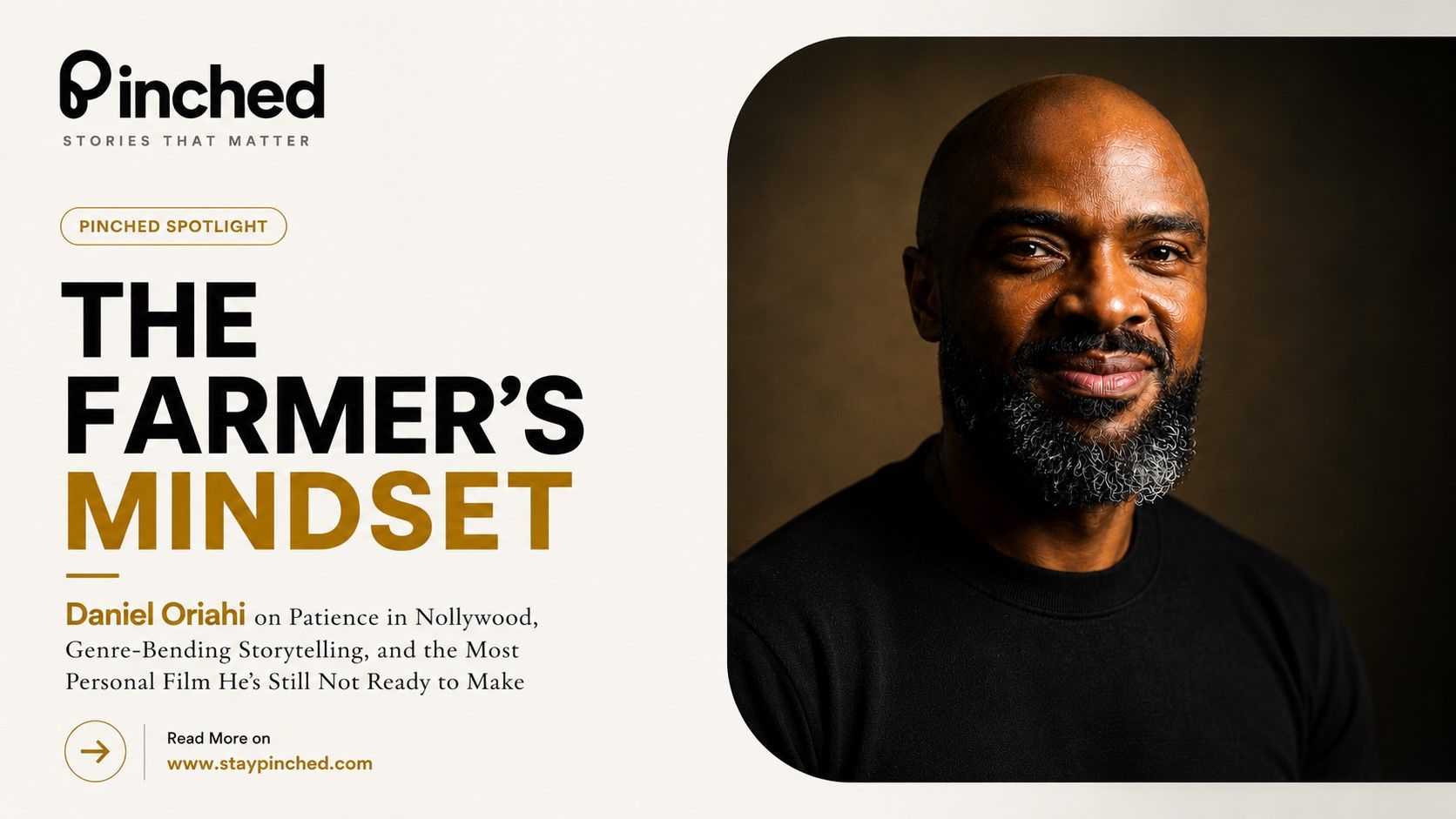
Daniel Oriahi: Patience, Persistence and the Making of a Filmmaker
On patience, creative compromise and the discipline of waiting for an idea to become the film it was meant to be.
Choose your narrator
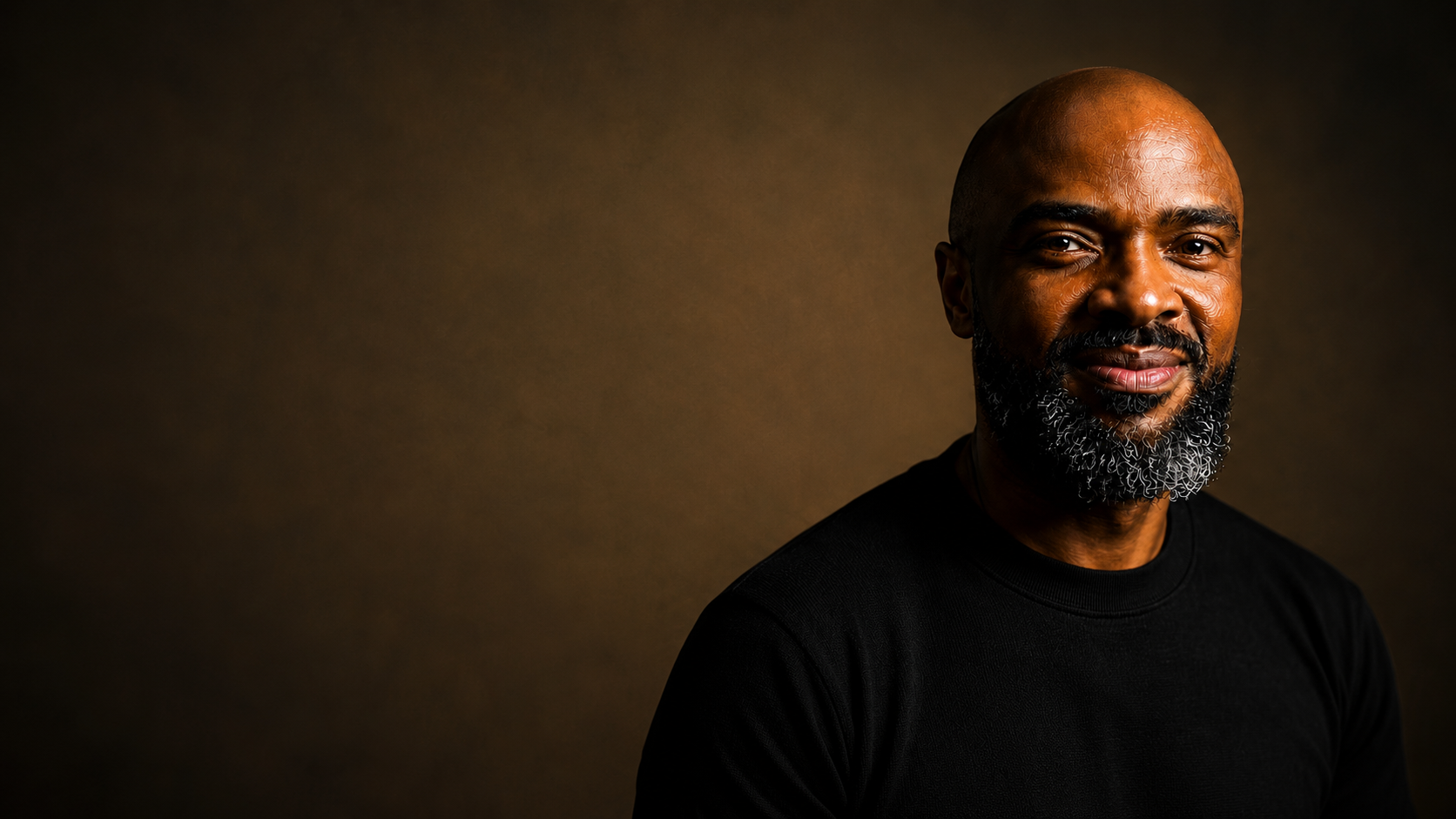
In short
On patience, creative compromise and the discipline of waiting for an idea to become the film it was meant to be. For Daniel Oriahi, filmmaking has never been simply about making movies.
- Desk:
- film
- Format:
- article
- Author:
- Mary Anja
For Daniel Oriahi, filmmaking has never been simply about making movies. It has always been about understanding people, their fears, ambitions, resilience and the invisible battles they fight. Every film he has directed carries traces of his own experiences, shaped by years of observing the world, navigating personal adversity and learning that storytelling is as much about empathy as it is about entertainment.
Today, Oriahi has spent close to two decades building a career across feature films, television, documentaries and short films. Yet his journey began long before he entered film school or stepped behind a camera.
Growing Up Between Cultures and Screens
Born in Abraka, Delta State, while his mother lectured at the College of Education, Daniel Oriahi spent his early childhood surrounded by influences that would later shape his artistic perspective. Although his roots trace back to Abor in Delta State, much of his upbringing took place in present-day Edo State after his father, an engineer, relocated the family for work.
Looking back, Oriahi credits television for introducing him to the world he would eventually dedicate his life to.
While his mother pursued her master's degree, she often left him at home with the television for company. His father, who travelled extensively for work, frequently returned with VHS recordings from different parts of the world. Those tapes exposed him to films and television programmes from Europe and Asia long before international content became easily accessible in Nigeria.
When the family later moved into a German-managed staff estate in Edo State, that exposure expanded even further. Satellite television gave him access to channels from Germany, Austria, France and other countries. Even when films were dubbed into unfamiliar languages, he remained captivated.
"I would watch them anyway," he recalled. "I was fascinated by the visual progression and the storytelling, even when I couldn't understand every word."
That fascination gradually evolved into something much bigger.
The Moment Everything Changed
At the age of thirteen, Daniel Oriahi discovered what he wanted to do with his life.
One day, a television channel aired a special documentary on legendary filmmaker Steven Spielberg. As the programme explored Spielberg's career showcasing everything from science fiction and fantasy to historical dramas, Oriahi found himself amazed that one person could tell so many different kinds of stories.
That realisation stayed with him.
"I made a mental note that I wanted to become a filmmaker," he said.
However, following that dream would prove far more complicated than simply deciding on a career.
Throughout school, Oriahi struggled within Nigeria's conventional education system. Mathematics was never his strongest subject, but he excelled in literature, drawing and every form of artistic expression.
Whenever he watched a film, he recreated it as a comic book, sketching scenes on sheets of paper collected from his father's office before proudly sharing them with classmates. He also experimented with writing, constantly searching for creative outlets.
But society expected something different.
Creative interests were often viewed as hobbies rather than careers, and like many young Nigerians, Oriahi was encouraged to pursue a more conventional academic path. He eventually studied Economics at university, setting filmmaking aside at least temporarily.
Sometimes life's greatest setbacks become its greatest turning points.
While in his third year at university, Oriahi developed a medical condition that forced him to pause and reassess the direction of his life.
The experience changed everything.
Faced with the uncertainty of his health, he began asking deeper questions about purpose and fulfilment. By the time he graduated in 2006, he had made a decision.
He was going to become a filmmaker.
Soon afterwards, he enrolled at the National Film Institute, where he spent two years studying the craft that had fascinated him since childhood.
For Oriahi, film school wasn't simply about learning camera techniques or editing software. It was confirmation that he had finally found the path he was meant to follow.
Since then, he has spent nearly twenty years directing feature films, documentaries, television movies, short films and series, continuously refining his voice as a storyteller.
A Storyteller before Anything Else
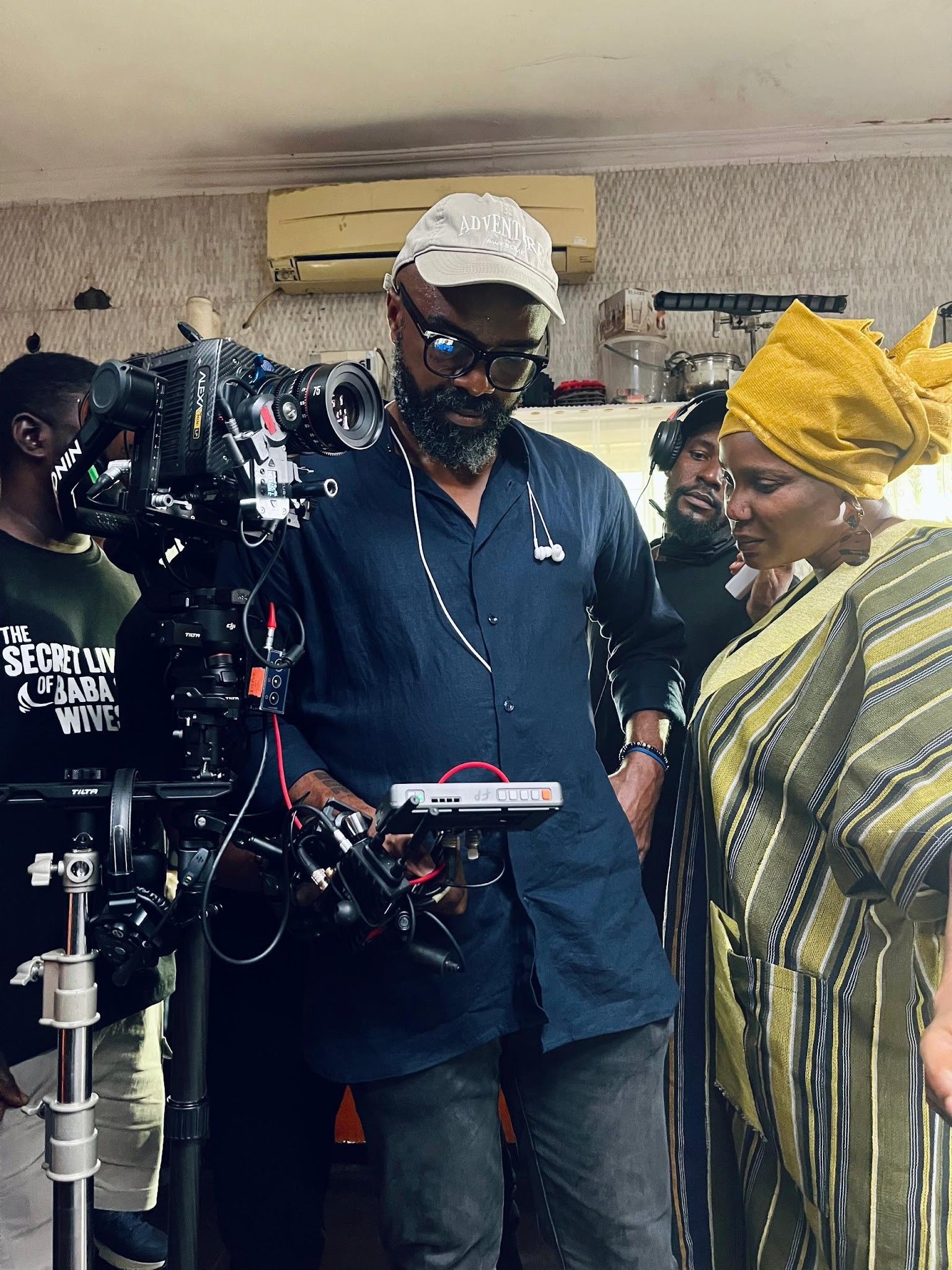
Although audiences often associate filmmakers with cameras and film sets, Oriahi believes the role goes much deeper.
To him, a filmmaker is fundamentally a storyteller.
Stories, he explained, have existed since the beginning of humanity. What filmmakers do differently is use visual and audio technology to communicate those timeless stories, exploring the complexities of the human condition through moving images and sound.
Whether the story focuses on triumph, grief, fear or hope, the goal remains the same: to create an emotional experience that connects with audiences.
For Oriahi, filmmaking is ultimately about helping people feel.
The Stories That Shape the Storyteller
One lesson took Oriahi years to fully understand.
The films people create are often reflections of the lives they have lived.
Looking back at his earliest projects, he realised that many of the stories he chose were unconsciously influenced by his upbringing, family experiences and personal struggles.
"Our experiences shape how we see the world," he reflected.
Everything from childhood memories and family dynamics to the books we read and the films we watch eventually becomes part of a filmmaker's creative identity.
He encourages aspiring filmmakers to embrace their own journeys rather than imitate others.
In his view, authenticity is one of the greatest creative strengths an artist can possess because the most powerful stories often emerge from lived experience rather than imagination alone.
Balancing Art and Commerce
Like many filmmakers, Daniel Oriahi has often found himself navigating the delicate balance between artistic ambition and commercial reality.
One of the clearest examples was Taxi Driver: Oko Ashewo. Originally conceived as a much darker psychological thriller, the project eventually evolved into a black comedy after discussions with FilmOne Productions. At the time, comedy dominated the Nigerian box office, and the production team believed blending humour with darker themes would make the film more commercially viable.
For Oriahi, making that adjustment was never about abandoning his vision.
Instead, it was about understanding that filmmaking is a long-term journey.
He describes Taxi Driver as a compromise that ultimately strengthened his career rather than weakened it. While the film retained its darker undertones and psychological elements, its humour allowed it to connect with a wider audience.
"I always felt filmmaking is a journey," he reflected. "It wasn't going to be my first or last film. If I needed to make compromises for the longevity of my career, then I was willing to do that."
Rather than viewing commercial decisions as obstacles, he sees them as opportunities to continue creating while gradually building towards the films he ultimately wants to make.
Beyond Genres
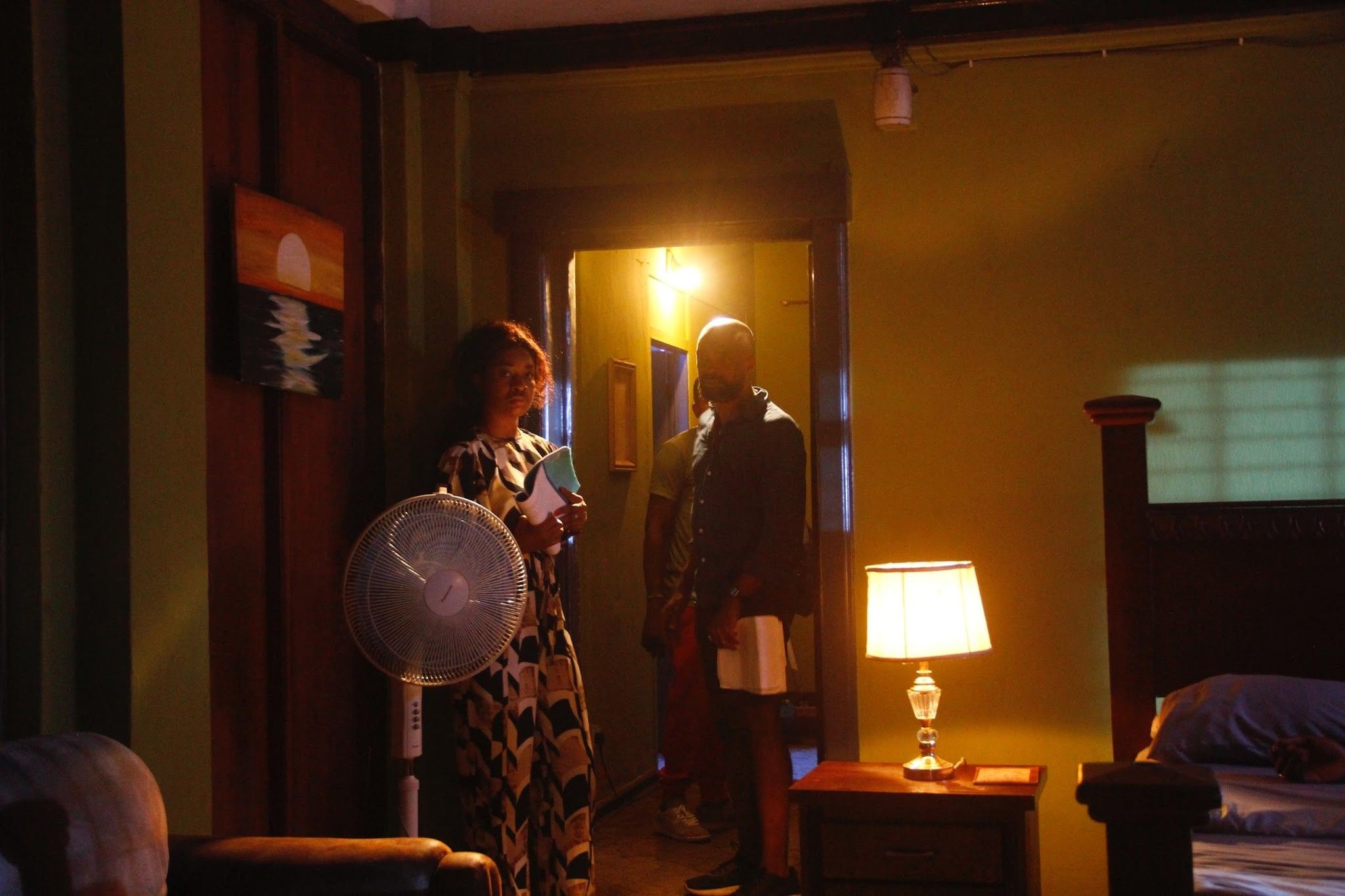
Although many audiences associate Oriahi with psychological thrillers and darker narratives, he no longer sees himself belonging to one particular genre.
Instead, he believes cinema is evolving beyond traditional classifications.
Rather than asking whether a story is a horror film, a comedy or a drama, he now asks a different question:
How can all of these genres coexist within one story?
He points to South Korean cinema as one of the strongest examples of this evolution. Over the past two decades, South Korean filmmakers have become renowned for seamlessly blending comedy, suspense, action, drama and social commentary into single narratives.
That versatility increasingly shapes his own creative ambitions.
Instead of making purely psychological thrillers or straightforward dramas, Oriahi hopes to create films that shift naturally between different emotional experiences while remaining cohesive.
For him, audiences have become more sophisticated.
After more than a century of cinema, viewers understand traditional storytelling structures. What excites them now is originality and the ability to surprise them by blending familiar genres in unexpected ways.
Learning Never Stops
When asked what advice he would give aspiring filmmakers, Oriahi's answer extends far beyond technical filmmaking.
To him, passion is not simply wanting to make movies.
Passion means constantly learning.
He encourages young filmmakers to study films from every part of the world while also exploring other artistic disciplines such as painting, literature and music.
Film, he explains, is an art form that borrows from every other art form.
Music shapes emotion.
Painting influences composition and lighting.
Literature strengthens storytelling.
Photography informs visual language.
A filmmaker who limits themselves to cinema alone risks limiting their imagination.
Oriahi practises what he preaches.
While serving as Head of Directing at the Creative Academy between 2021 and 2023, he challenged himself to watch nearly 300 films every year. During those two years alone, he watched close to 500 films from different countries and time periods.
The exercise was never about entertainment.
It was about expanding his creative vocabulary.
He believes the world's greatest filmmakers continue studying long after film school ends, constantly drawing inspiration from works that existed decades before they were born.
As artificial intelligence, streaming platforms and short-form content reshape the industry, Oriahi argues that understanding cinema's history is becoming even more important.
Technology changes.
Storytelling principles endure
Building Towards His Most Personal Film
Despite directing several successful projects, Oriahi believes his most personal work is still ahead of him.
One project particularly close to his heart is Black Custodian, a screenplay he has been developing since 2019.
The story follows a failed immigrant who returns home after stealing his mother's money in an unsuccessful attempt to relocate abroad. Haunted by recurring nightmares of drowning migrants crossing into Europe, he discovers that the only way to find peace is to seek forgiveness from the mother he betrayed.
When he finally returns, he learns she has dementia and no longer remembers him.
What follows is a layered story blending psychological horror, mystery, family drama, politics and spirituality while exploring themes of guilt, identity, forgiveness and heritage.
For Oriahi, Black Custodian represents everything he has learned throughout his career.
Rather than fitting neatly into one genre, it combines multiple emotional and narrative layers into a single story precisely the kind of filmmaking he now strives to create.
Playing the Long Game
Perhaps the most revealing insight from Daniel Oriahi's journey is his belief that success in filmmaking cannot be rushed.
He describes a filmmaker's career as unfolding in three distinct phases.
The first is about taking risks, creating boldly and finding visibility.
The second involves becoming commercially viable earning opportunities by directing projects for other people while building credibility within the industry.
Only after proving oneself over time does the final stage arrive: the freedom to create deeply personal projects backed by investors who trust both the filmmaker and their vision.
He refers to this as the "ten-year rule."
In an era dominated by viral success and instant visibility, Oriahi believes patience remains one of the industry's greatest competitive advantages.
Filmmaking, he says, requires the mindset of a farmer.
You plant.
You nurture.
You wait.
Eventually, the harvest comes.
That philosophy continues to guide his own career.
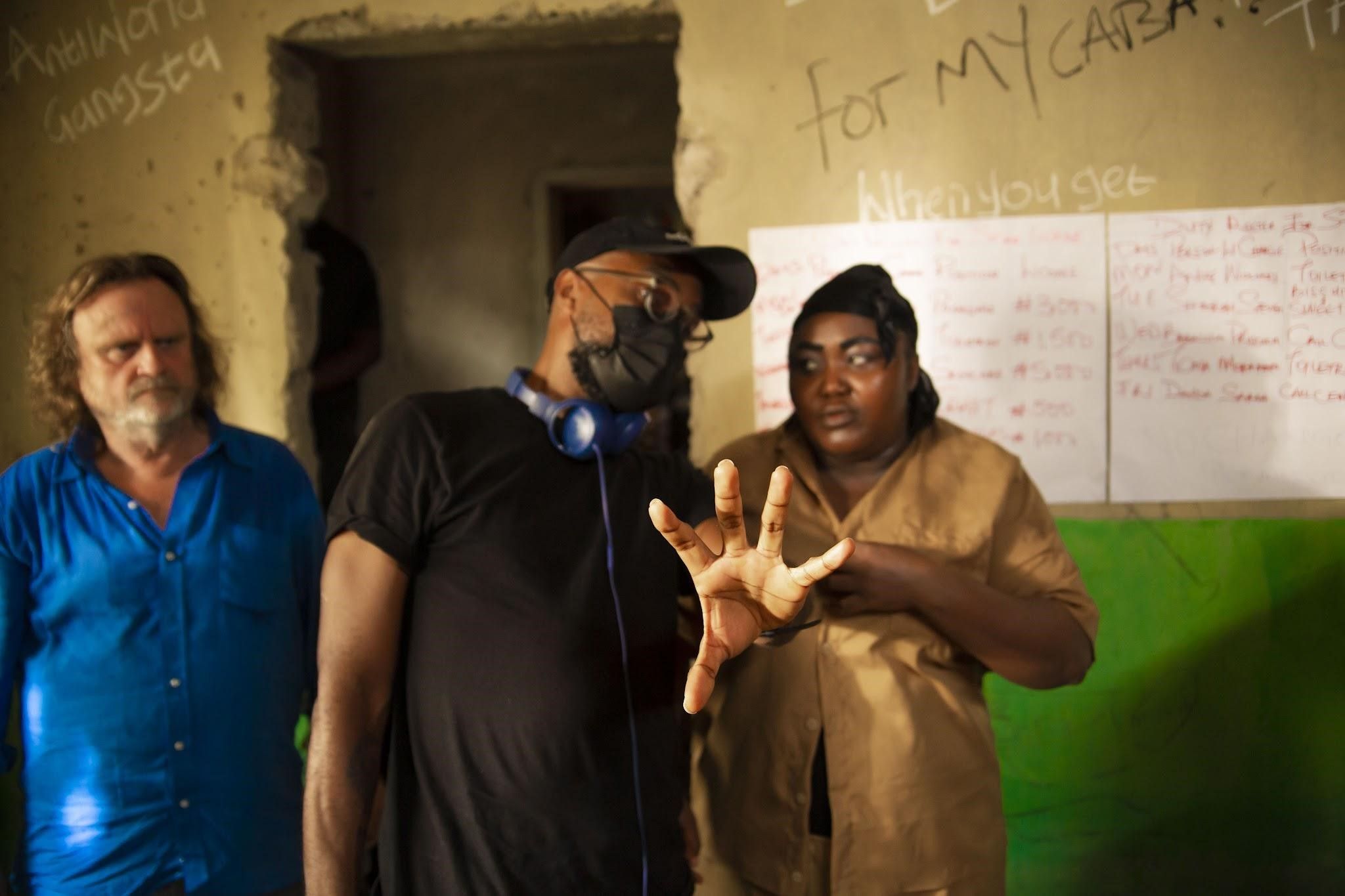
While audiences celebrate projects such as Blood Sisters 2 and eagerly anticipate future releases like The Secret Lives of Baba Segi's Wives, Orehi remains focused on something much bigger than immediate success.
Every film he directs whether commissioned or deeply personal is another step towards the stories he has always dreamed of telling.
For filmmaker Daniel Oriahi, storytelling has never been about choosing between entertainment and meaning. It has always been about finding the delicate balance between the two. Whether he is directing a psychological thriller, a supernatural drama, or a crime series, his goal remains the same: create stories that stay with audiences long after the credits roll.
Fresh off directing Episodes Three and Four of Blood Sisters Season Two, Daniel Oriahi reflects on a filmmaking journey shaped by international cinema, Nigerian storytelling traditions, and an endless curiosity about the human mind. Throughout the conversation, one thing becomes evident he is a filmmaker constantly evolving, refusing to be confined by genre or expectation.
Finding Balance Between Art and Audience
When Daniel Oriahi made Taxi Driver: Oko Ashewo, he was caught between two ambitions.
On one hand, he wanted to pay homage to Taxi Driver, Martin Scorsese's 1976 classic that had greatly influenced him during film school. On the other hand, he understood the realities of Nollywood and the expectations of local audiences.
Rather than choosing one over the other, he chose compromise.
The original vision contained much darker themes, but he recognised that Nigerian audiences often appreciate humour, emotional closure and dialogue-driven storytelling. Instead of abandoning his artistic ambitions, he blended them with comedy, creating a film that respected both his influences and the commercial realities of the industry.
Looking back, he describes the decision as one made for the longevity of his career rather than for a single project.
A filmmaker, he explains, must understand that every film is one step in a much longer journey.
Directing Chaos in Blood Sisters
One of Daniel Oriahi's most recent projects allowed him to put that philosophy into practice.
After Blood Sisters returned for its second season, he was invited to direct Episodes Three and Four.
Rather than simply continuing the visual style established earlier in the series, Daniel intentionally disrupted it.
Where the opening episodes embraced a more classical approach, his episodes became chaotic.
Handheld cameras.
Documentary-inspired movement.
Unstable compositions.
Rapid pacing.
Every creative decision was designed to immerse audiences in the emotional panic experienced by the characters.
Prison escapes, violent confrontations and relentless pursuit across Lagos were intentionally filmed to feel overwhelming.
"I wanted audiences to feel disoriented because that's exactly how the characters felt."
As the series approached its conclusion, however, the visual language gradually shifted.
The final sequences adopted a darker neo-noir aesthetic before ending with hope rather than certainty.
One of his favourite moments comes during the closing walk across an empty Third Mainland Bridge at sunrise.
For Daniel, the scene symbolises something deeper than survival.
After everything both women have endured, they have finally become true blood sisters not through friendship alone, but because each has crossed the same irreversible moral line.
The symbolism remains intentionally subtle.
He prefers audiences to discover those meanings themselves.
Daniel Oriahi isn't interested in making films that provide easy answers.
Instead, he hopes they generate discussion.
The mixed reactions surrounding Blood Sisters Season Two have only reinforced that belief.
Initially, the polarising responses unsettled him.
Eventually, he embraced them.
Good art, he believes, should provoke conversation.
It should challenge audiences.
It should make people uncomfortable enough to think.
As reviews continue arriving from viewers around the world, he sees every differing opinion as evidence that the work is doing exactly what it should.
Mental Health Without Preaching
Many of Daniel Oriahi's films explore trauma, obsession and emotional wounds.
Although he doesn't deliberately set out to make films about mental health, he acknowledges that these themes naturally emerge from his own experiences.
Still, he rejects the idea that films alone can change society.
In today's streaming era, audiences are overwhelmed by endless content.
No single film dominates public conversation the way it once could.
Instead, he believes cinema can introduce conversations people may never have considered.
A character dismissed as evil might instead be living with PTSD.
Someone perceived as spiritually possessed could actually be struggling with psychological illness.
Rather than offering diagnoses, films create opportunities for empathy.
They encourage audiences to see familiar behaviours differently.
That, Daniel believes, is enough.
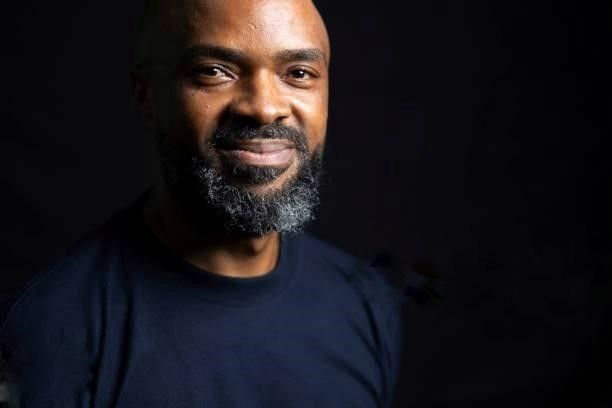
Building a Better Nollywood
When discussions turn toward Nollywood's future, Daniel Oriahi speaks with equal passion.
He argues that becoming a globally competitive industry requires more than bigger budgets.
Filmmakers must continue mastering universal visual storytelling while preserving distinctly Nigerian identities.
Governments must recognise film as a cultural and economic investment worthy of stronger institutional support.
Audiences must also play their part by supporting local productions.
Although significant challenges remain from economic realities to distribution limitations he believes Nollywood is already moving in the right direction.
Compared to a decade ago, the quality and ambition of Nigerian filmmaking have increased dramatically.
The next generation, he believes, will go even further.
Advice for Young Filmmakers
Daniel's advice is refreshingly practical.
Patience.
Resilience.
Humility.
Study.
Above all, curiosity.
Filmmaking, he explains, is built from every artistic discipline that came before it.
Literature.
Painting.
Photography.
Music.
History.
Theatre.
Understanding each of these forms strengthens storytelling.
During his time teaching at EbonyLife Creative Academy, he challenged himself to watch hundreds of films across two years, studying directors from every era and every continent.
That same hunger for learning is what he hopes young filmmakers develop.
Success, he says, isn't built overnight.
It follows what he calls the "ten-year rule."
The first decade is about creating.
The second is about proving yourself through opportunities created by others.
Only after years of consistency do filmmakers earn the freedom to tell their own stories on their own terms.
It is a marathon, not a sprint.
Looking Ahead
Among Daniel Oriahi's many future ambitions, Black Custodian remains closest to his heart.
It represents everything he has become as a filmmaker, a story rooted in personal experience while blending psychological drama, horror, mystery, politics, family and folklore into one cohesive narrative.
Until that project finds its moment, he continues building a body of work through collaborations like Blood Sisters and the upcoming adaptation of The Secret Lives of Baba Segi's Wives.
Each project, he says, is another step towards the filmmaker he ultimately hopes to become.
And if his career so far proves anything, it is that Daniel Oriahi is less interested in fitting neatly into genres than in creating stories that challenge audiences, provoke conversation and leave lasting emotional impressions.
For him, the best films are not the ones that tell viewers what to think.
They are the ones that refuse to leave their minds.
- Daniel Oriahi
- Blood sisters
- netflix
- movie director
Tip: highlight any line in the story to turn that line into a share card.
Frequently asked
- What is “Daniel Oriahi: Patience, Persistence and the Making of a Filmmaker” about?
- On patience, creative compromise and the discipline of waiting for an idea to become the film it was meant to be. For Daniel Oriahi, filmmaking has never been simply about making movies.
- Who covers film on PINCHED?
- Mary Anja reports this piece for the PINCHED film desk.
- Where can I read “Daniel Oriahi: Patience, Persistence and the Making of a Filmmaker”?
- Read it in full at https://staypinched.lovable.app/read/daniel-oriahi-the-filmmaker-who-understands-the-harvest.