Africa Had Patronage Long Before Anyone Called It the Creator Economy
Griots, praise singers and market storytellers were paid directly by the people listening. Subscriptions are the same deal with a card reader.
Choose your narrator
In short
Direct audience payment is not new to Africa. Griots, praise singers and market storytellers were funded by the people who listened, which is why micro-contribution takes hold faster here than subscription models imported wholesale.
- Older model:
- Patron-to-storyteller payment predates recorded advertising in West Africa
- What changed:
- The rails, not the relationship — phones and instant transfer replaced coins and cloth
- Why it matters:
- Small, frequent payments suit African incomes better than a single high subscription
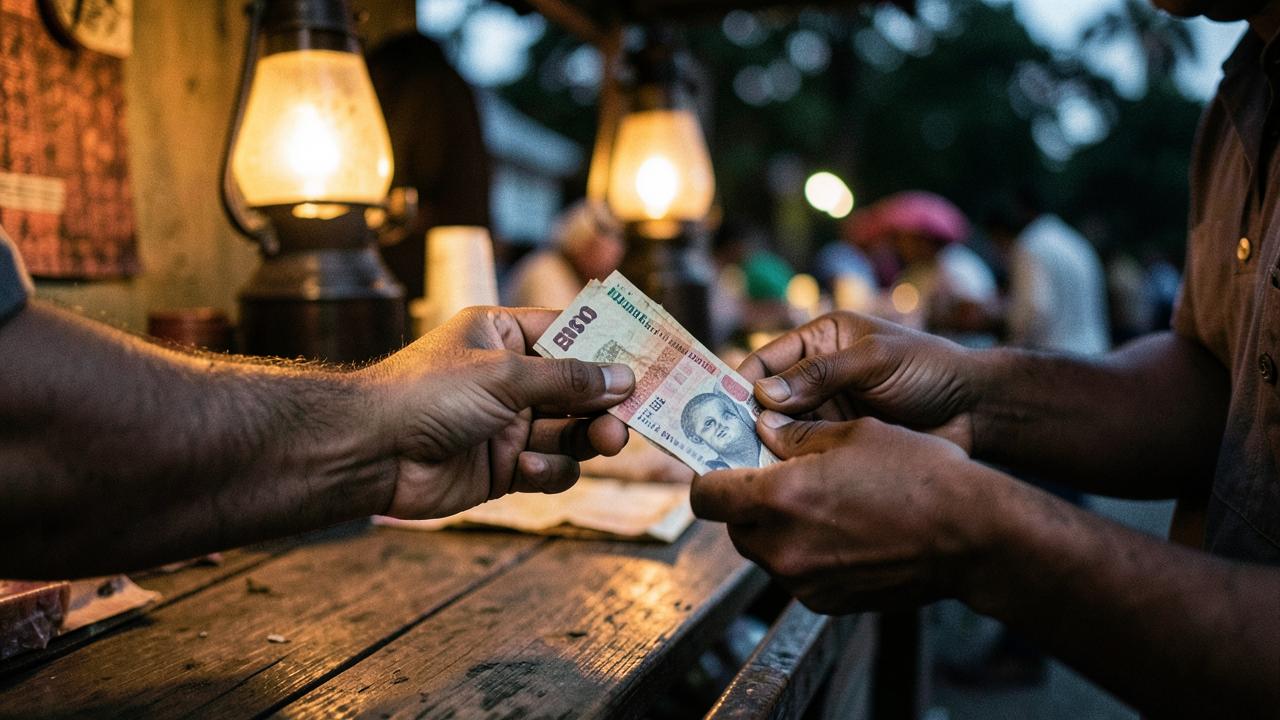
Long before anyone drew a diagram of the creator economy, the arrangement existed in plain sight across this continent. A griot in Mali sang a family's history and the family paid him. A praise singer at a Yoruba wedding was handed money as she sang, in real time, by the people who wanted the song to continue. A storyteller in a Nairobi market held a crowd and the crowd decided, coin by coin, whether the story was worth staying for.
None of that was charity. It was a market. The audience was the client, the payment was immediate, and the quality of the work was audited on the spot by the only people qualified to audit it.
What actually changed
The relationship did not change. The rails did. A phone replaced the outstretched hand, an instant transfer replaced the note pressed into a palm, and a link replaced the physical gathering. That is the whole innovation, and it is worth being honest about its size, because a great deal of writing about the creator economy treats direct audience payment as if Silicon Valley invented it in 2017.
It did not. What Silicon Valley built was infrastructure, and it built that infrastructure for a market where a card on file and a fixed monthly charge are unremarkable. Both of those assumptions travel badly.
Why the subscription import struggles here
A monthly subscription asks a reader to commit money they cannot yet see in a month they cannot yet predict. For a salaried reader in a stable currency that is a small ask. For a reader whose income arrives in irregular pieces, it is a genuine risk, and the rational response is to decline.
Micro-contribution asks a different question: this piece, right now, was it worth something to you? That question is answerable. It is also the question the griot asked, and the reason a good griot ate well.
The part platforms keep getting wrong
The old arrangement had one feature that modern platforms strip out: the payer and the maker knew each other. The money carried a relationship with it. When a platform sits between them and returns an anonymised payout at the end of the month, the transaction survives but the relationship does not — and the relationship was the thing that made the work worth paying for.
Anything built for African creators that forgets this is building a vending machine and calling it a culture.
What this means for anyone publishing here
Price small. Let people pay when the work lands rather than in advance. Make the payment visible to the maker, and make the maker visible to the payer. Treat the audience as the client, because on this continent they always were.
- creator economy
- authentic storytelling
- micro contribution
- african culture
- patronage
Tip: highlight any line in the story to turn that line into a share card.
Frequently asked
- What is the creator economy?
- An economy where individual storytellers, musicians, filmmakers and writers earn directly from an audience rather than through an employer, broadcaster or advertiser.
- Is micro-contribution different from a subscription?
- Yes. A subscription is a fixed recurring charge. Micro-contribution is a small, voluntary payment made when a piece of work lands, which fits irregular incomes far better.